
Contents
Keeping your home pest-free is essential for your family’s health and comfort. You might not realize how simple changes can make a big difference. By focusing on cleanliness, organization, and proactive pest prevention measures, you can greatly reduce pest risks. From sealing entry points to managing waste, these strategies are practical and effective. Let’s explore ten essential tips that can help you maintain a pest-free environment for your family.
Key Takeaways
- Maintain a clean home by regularly decluttering and storing food in airtight containers to eliminate pest attractants.
- Seal entry points by inspecting and repairing gaps in windows, doors, and utility lines to prevent pest access.
- Schedule regular inspections with pest specialists to catch potential infestations early and ensure proactive pest management.
- Educate family members on identifying common pests and involve them in monitoring for signs of pest activity.
- Keep outdoor spaces tidy by managing standing water and maintaining flower beds to reduce pest habitats.
Keep Your Home Clean and Clutter-Free
Keeping your home clean and clutter-free is essential for preventing pests, as a tidy environment minimizes their hiding spots and food sources.
To start, you should organize spaces effectively by assigning specific places for items. This makes it easier to maintain order and ensures you know where everything belongs.
Declutter regularly—set a schedule to go through your belongings and eliminate anything you no longer need. Focus on areas like attics, basements, and closets, where clutter often accumulates. By keeping these spaces organized, you reduce potential pest havens.
Seal Entry Points and Cracks
Since pests can enter your home through even the tiniest openings, sealing entry points and cracks is an essential step in pest prevention.
Start by inspecting your home’s foundation, windows, and doors for any gaps. Use crack sealing materials like caulk or expanding foam to fill these openings effectively.
Remember, even small cracks can create entry barriers for unwanted pests. Pay special attention to utility lines and vents, as these are common access points.
Installing door sweeps and repairing damaged screens can further enhance your defenses.
By taking these proactive measures, you’re not just protecting your home; you’re also creating a safe, comfortable environment for your family.
Don’t underestimate the significance of sealing those cracks!
Maintain a Well-Maintained Yard
A well-maintained yard plays a significant role in pest prevention, complementing your efforts to seal entry points and cracks.
By implementing effective landscaping practices, you can reduce pest habitats and deter unwanted visitors. Regular garden maintenance, such as mowing the lawn and trimming shrubs, prevents overgrowth where pests might thrive.
Keep your flower beds tidy and free from debris, as this minimizes hiding spots for insects. Don’t forget to manage standing water, as it attracts mosquitoes and other pests.
By fostering a clean and well-organized outdoor space, you’re enhancing your home’s curb appeal and creating an environment that discourages pests.
Together, these practices help protect your family and home from unwanted intruders.
Store Food Properly
One of the simplest yet most effective ways to prevent pests in your home is by storing food properly.
Start by using airtight containers for all your dry goods like grains, cereals, and snacks. These containers keep your food fresh and create a barrier against pesky intruders.
Label your containers for easy access and organization, making it simpler for your family to find what they need.
Don’t forget about leftovers—store them in airtight containers in the fridge as soon as you’re done eating. This practice helps maintain food quality and reduces the risk of attracting unwanted visitors.
Manage Trash and Waste
While you may not think about trash as a potential pest attractant, managing waste effectively is crucial for keeping your home pest-free.
Start with proper trash disposal—always use sealed bins and take out the garbage regularly. This simple step can drastically reduce the risk of pests invading your space.
Consider implementing composting methods for food scraps; this minimizes waste and attracts fewer pests compared to traditional trash. Make certain your compost bin is well-aerated and properly maintained.
Additionally, keep your outdoor trash cans away from your home and ensure they’re tightly closed.
Regularly Inspect Your Home
To keep pests at bay, regularly inspecting your home is essential.
Start by examining key home areas like basements, attics, and crawl spaces, as these are common entry points for unwanted visitors. Equip yourself with basic inspection tools, such as a flashlight and a magnifying glass, to help you spot any signs of pest activity like droppings or damage.
Pay close attention to cracks, crevices, and plumbing areas, where pests often find their way in. Make this inspection routine—consider doing it monthly or seasonally to catch issues early.
By staying proactive, you protect your home and create a safer environment for your family.
Use Natural Pest Deterrents
Using natural pest deterrents can be an effective way to keep unwanted visitors out of your home without relying on harsh chemicals.
You can utilize herbal remedies like mint, basil, and rosemary, which smell great and repel pests. Planting these herbs around your home can create a natural barrier against insects.
Additionally, essential oils such as peppermint, lavender, and tea tree oil work wonders. Mix a few drops with water in a spray bottle and apply it around entry points and windows. This method is safe for your family and pets while effectively deterring pests.
Educate Your Family About Pests
To effectively prevent pest problems, you need to educate your family about common household pests and how to identify them.
Teach your kids simple prevention techniques, like keeping food sealed and maintaining cleanliness.
Identify Common Household Pests
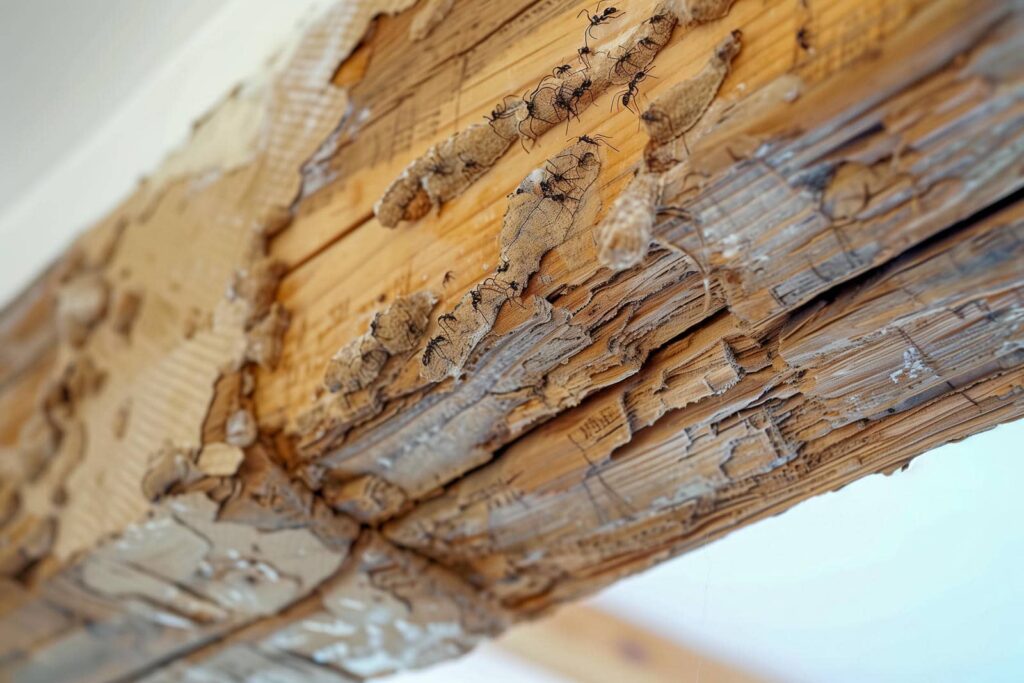
Understanding common household pests is essential for effective pest prevention in your home. Familiarize yourself with the most common pests, such as ants, cockroaches, rodents, and termites. Each of these pests poses unique threats to your family’s health and property.
For instance, ants can invade your kitchen, while termites silently damage your wooden structures.
Encourage your family to participate in pest identification by learning the signs of infestations, like droppings or nests. This knowledge empowers everyone to be vigilant and proactive.
Teach Prevention Techniques
One of the best ways to protect your home from pests is to teach your family effective prevention techniques.
Encouraging family involvement strengthens your bond and empowers everyone to recognize and manage pest issues.
Here are four essential tips to share:
Pest Identification: Teach your family to identify common pests, so they can spot problems early.
Cleanliness: Emphasize the importance of regular cleaning to eliminate food sources and hiding spots.
Seal Entry Points: Show them how to inspect and seal cracks or gaps around doors and windows.
Proper Food Storage: Encourage storing food in airtight containers to prevent attracting pests.
Schedule Professional Inspections
Scheduling regular professional inspections is vital for effective pest prevention.
These experts can spot potential issues before they escalate, saving you time and money.
When choosing a service, look for credentials and experience to ensure you’re getting the best protection for your home.
Importance of Regular Inspections
While it might be tempting to overlook regular pest inspections, doing so can lead to more significant problems down the line. Understanding pest behavior and maintaining a consistent inspection frequency is key to keeping your home pest-free.
Here are four reasons why regular inspections are essential:
Early Detection: Spot problems before they escalate into infestations.
Cost Savings: Addressing minor issues now can save you from costly repairs later.
Peace of Mind: Knowing your home is protected allows you to relax and enjoy your space.
Health Protection: Preventing pests helps safeguard your family from potential health risks.
Investing in regular inspections fosters a safe and harmonious living environment for you and your loved ones.
Don’t wait—schedule your inspection today!
Choosing the Right Service
Regular inspections are only as effective as the service you choose to conduct them. When selecting a pest control company, start with a thorough service evaluation.
Research local pest specialists to verify they’ve a solid reputation and expertise in your specific pest issues. Look for certifications, customer reviews, and years of experience.
It’s essential to choose specialists who use safe, family-friendly methods and prioritize your home’s protection. Don’t hesitate to ask questions about their inspection process and treatment plans.
A reliable service will provide transparent information and tailor their approach to your needs. By making an informed choice, you’ll foster a pest-free environment for your family, ensuring everyone feels safe and secure at home.
Monitor Seasonal Pest Activity
As the seasons change, pests often become more active, making it essential to monitor their patterns in and around your home.
Understanding seasonal trends in pest behavior can help you take proactive steps to keep your family safe. Here are four key actions you can take:
Inspect regularly: Check your home for signs of pests during seasonal shifts.
Document sightings: Keep a log of any pest activity to identify patterns over time.
Adjust preventative measures: Modify your pest control strategies based on seasonal changes.
Educate your family: Involve everyone in recognizing and reporting pest signs.
Frequently Asked Questions
What Are Common Signs of a Pest Infestation?
You’ll notice common signs of a pest infestation like pest droppings, unexplained noises, damaged furniture, musty odors, visible nests, or unusual behavior from pets. Address these concerns quickly to maintain a comfortable home for your family.
How Can I Identify Different Types of Pests?
To identify different types of pests, observe their characteristics like size, color, and behavior. Examine droppings, damage, or nests. Use guides or apps for pest identification, ensuring you’re well-informed and connected with your community’s knowledge.
Are There Pets-Safe Pest Control Options Available?
Yes, there are pet-safe pest control options available. You can use natural repellents like essential oils or organic solutions such as diatomaceous earth. These methods effectively keep pests away while ensuring your furry friends stay safe.
When Is the Best Time to Inspect for Pests?
The best time to inspect for pests is during seasonal changes. Use effective inspection techniques to identify potential problems early, ensuring your home stays comfortable and pest-free. Regular checks foster a sense of belonging and security.
How Do Weather Changes Affect Pest Activity?
Weather changes markedly affect pest activity. Seasonal patterns and temperature fluctuations can increase pest populations, as warmer weather often encourages breeding. Stay alert during these shifts, and take proactive measures to protect your home and family.
Final Thoughts
By implementing these ten essential tips, you can create a formidable fortress against pests in your home. Remember, a clean and organized space is your first line of defense, much like a knight fortifying a castle. Regular inspections and education empower your family to stay vigilant. Don’t underestimate the power of proactive measures; they can save you from the perils of infestations. Together, you’ll cultivate a pest-free environment that ensures your family’s comfort and well-being.
Recent Posts
Why Treat Indian Meal Moths in Your Home?
If you’ve noticed tiny moths fluttering around your kitchen or found webbing in your food,
Top Spider Control Techniques for Your Home
When it comes to keeping spiders out of your home, understanding their behavior is vital.
3 Best Spider Control Methods for Homes
You might not realize that some common household items can effectively repel spiders. By utilizing