
Contents
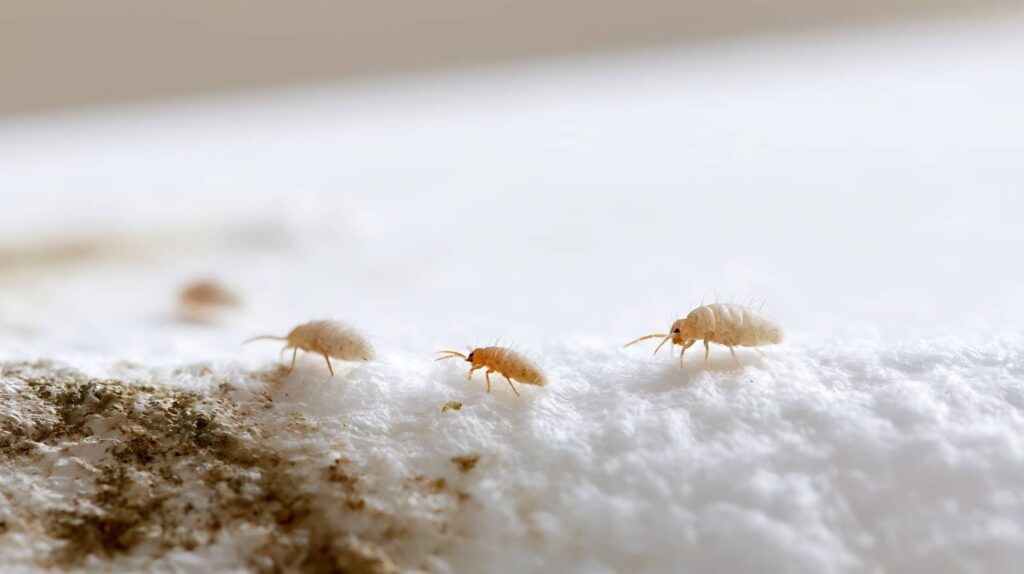
If you spot clusters of tiny springtails along a damp basement threshold, you’re likely seeing a moisture-driven infestation. You can cut the population fast by removing breeding sources, lowering humidity, and treating hotspots with targeted methods. The key is to act in the right order, because each step supports the next and limits rebound.
Key Takeaways
- Remove springtail breeding sites like damp mulch, leaf litter, decaying wood, and saturated potting mix.
- Fix leaks and reduce indoor humidity below 60% with ventilation and exhaust fans.
- Improve drainage by directing gutters, downspouts, and soil slope away from the foundation.
- Isolate infested materials and treat exposed surfaces with diatomaceous earth or labeled spot treatments.
- Vacuum visible clusters and target entry points such as baseboards, window tracks, door thresholds, and mulch edges.
Find and Remove Springtail Breeding Sources
Start by locating the damp, organic areas where springtails breed and feed. You’ll usually find them in mulch piles, leaf litter, decaying wood, potting mix, and clogged drains.
Inspect these springtail habitats closely, then remove the material at the source. Bag and discard rotting plant debris, turn compost so it breaks down evenly, and replace saturated potting media with fresh mix.
If you can’t remove a source immediately, isolate it from living areas and keep it contained. Use organic solutions such as beneficial nematodes or diatomaceous earth only after you’ve cleared the debris, because they work best on exposed surfaces.
Check hidden edges, crawlspaces, and planter bases regularly so you stay ahead of reinfestation. You’re not alone; this approach works.
Lower Moisture Around Your Home
Because springtails thrive in damp conditions, reduce the moisture they can use by fixing leaks, improving drainage, and keeping soil and standing water away from the foundation.
You’ll get better control when you pair humidity reduction with steady ventilation in basements, crawl spaces, and bathrooms. Run exhaust fans during and after showers, use a dehumidifier in persistently damp rooms, and keep indoor humidity below 60%.
Outside, make sure gutters discharge properly and soil slopes away from your home so water doesn’t pool beside the walls. Check downspouts, splash blocks, and grading after heavy rain.
These drainage solutions help dry the perimeter fast, which makes your home less inviting and supports the same practical standards your neighbors rely on.
Treat Springtails With Targeted Methods
Once you’ve reduced moisture, apply a targeted treatment to the areas where springtails enter, hide, or collect. You should focus on baseboards, window tracks, door thresholds, crawlspace vents, and mulch edges.
Vacuum visible clusters, then wipe surfaces clean so treatments bond better. If activity persists outdoors, adjust lighting, remove debris, and support natural predators such as ground beetles and spiders that help suppress populations.
For heavier indoor pressure, use labeled chemical treatments as spot applications, not broad sprays, and follow the product’s contact and reentry instructions exactly.
Reinspect after a few days, because springtails often shift location as conditions change. When you combine precision, patience, and a shared approach with your household, you’ll protect your space and restore comfort without overapplying pesticides.
Frequently Asked Questions
How Do Springtails Get Inside My House?
They usually slip in through foundation cracks, gaps around pipes, and open doors, drawn by moisture sources. You’ll often find them near springtail habitats like damp soil, mulch, drains, and basement leaks, seeking shelter indoors.
Can Springtails Bite People or Pets?
No, you usually won’t get bitten by springtails. You may notice springtail behavior clustered in damp areas; they feed on mold, not you. Protect pets by drying springtail habitats and sealing entry points.
Are Springtails Harmful to Indoor Plants?
Usually, no: you’ll find springtails mainly feed on decaying matter, so they rarely harm indoor plants. Still, their behavior signals excess moisture, which can weaken plant health; you’ll belong with growers who monitor soil closely.
When Should I Call a Pest Professional?
Call a pest professional when you can’t confirm springtail identification, infestations keep returning, or moisture control fails. You’ll get targeted pest prevention, accurate diagnosis, and faster relief, so you can protect your space with confidence.
Do Springtails Return Every Spring?
Yes, you’ll often see springtails return each spring because their springtail life cycle tracks moisture and warming soil. You can reduce repeats with springtail prevention: seal gaps, fix leaks, and dry damp areas quickly.
Summary
By finding and removing springtail breeding sources, lowering moisture around your home, and using targeted treatments, you’ll cut infestations fast. You might think springtails are harmless, but when humidity stays high and debris piles up, they keep multiplying. Fix leaks, improve drainage, and keep indoor humidity below 60%. Then treat baseboards, window tracks, and other gathering spots with the right product. Stay consistent, and you’ll make your home far less inviting to them.
Recent Posts
Do Mice Go Away on Their Own? The Honest Answer
You may not realize that mice often stay put even when a home feels busy
Mouse Droppings vs Rat Droppings: Identify Your Intruder
You may not know that droppings can tell you more than just whether rodents are
What Attracts Mice to a Clean House? 7 Surprising Culprits
Some homes report some mouse activity each year, and even a spotless house can still