
Contents
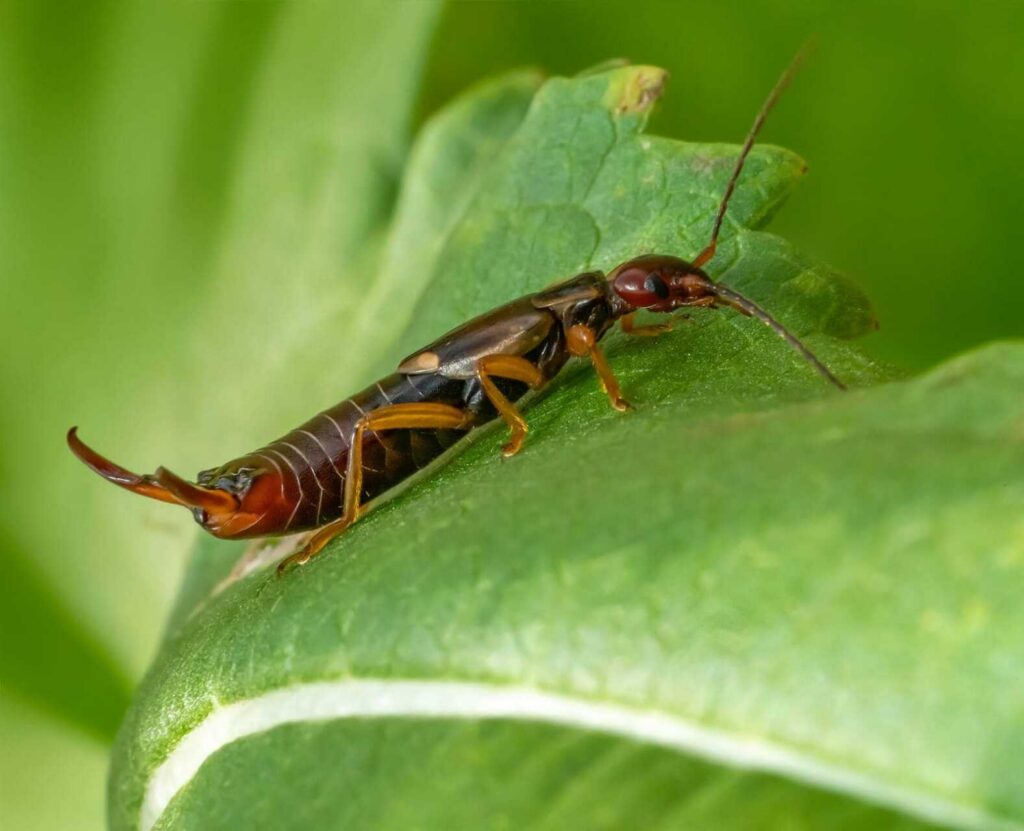
Managing earwig infestations can feel overwhelming, yet adopting eco-friendly methods offers a sustainable solution. While traditional pesticides may provide quick fixes, they often harm beneficial insects and the environment. Instead, consider effective strategies that focus on natural control and prevention. By implementing these five tips, you can create a balanced ecosystem in your garden. Curious about how simple changes can lead to significant results? Let’s explore these methods further.
Key Takeaways
- Apply diatomaceous earth in dry areas to dehydrate and control earwig populations naturally.
- Create traps using moistened newspaper, citrus peels, or a shallow bowl of beer to attract and capture earwigs.
- Maintain a clean environment by removing food debris, fixing leaks, and avoiding overwatering to deter earwigs.
- Introduce beneficial insects like ladybugs and predatory mites to naturally reduce earwig populations in your garden.
- Utilize essential oils such as peppermint and tea tree oil as a repellent by spraying around entry points and garden beds.
Use Diatomaceous Earth
If you’re looking for an effective and eco-friendly solution to control earwigs, consider using diatomaceous earth. This natural substance, made from fossilized algae, offers numerous diatomaceous earth benefits. It works by dehydrating insects that come into contact with it, making it a safe alternative to chemical pesticides.
To apply diatomaceous earth effectively, sprinkle a thin layer in areas where you’ve spotted earwigs, such as around plants or entry points. It’s essential to keep the application dry, as moisture diminishes its effectiveness. You can also use a dust applicator for more precise placement, ensuring you target specific areas without overapplying.
Regularly reapply after rain or watering, as this will help maintain its potency. By utilizing these application techniques, you’ll help control earwig populations and foster a healthier environment for your plants and home.
Create Traps With Natural Baits
After utilizing diatomaceous earth for earwig control, you can enhance your efforts by creating traps with natural baits.
Homemade traps are effective and easy to set up, allowing you to address earwig problems without harmful chemicals. Here’s how to make them:
Moistened Newspaper: Roll up damp newspaper and place it in your garden. Earwigs will hide inside, making it easy for you to dispose of them.
Citrus Peels: Set out orange or lemon peels in strategic locations. The scent attracts earwigs, and they’ll gather around the peels.
Bowl of Beer: Pour some beer into a shallow bowl. Earwigs are drawn to it, and they’ll drown once they fall in.
Soy Sauce and Water: Mix equal parts soy sauce and water in a bowl. The mixture lures earwigs effectively.
Maintain a Clean and Dry Environment
To effectively control earwigs, maintaining a clean and dry environment is essential. Implementing good sanitation practices around your home greatly reduces the risk of infestations.
Start by cleaning up food debris and spills promptly, as these attract earwigs and other pests. Regularly vacuuming can help eliminate any hiding places.
Moisture control is equally important. Earwigs thrive in damp conditions, so fix any leaks in plumbing and ensure proper drainage around your property. Keep gutters clean and direct water away from your foundation.
In your garden, avoid overwatering plants and remove any decaying organic matter, as these can create ideal habitats for earwigs.
By prioritizing cleanliness and moisture management, you protect your home and foster a healthier living environment for yourself and your loved ones.
Introduce Beneficial Insects
While many people focus on direct extermination methods for earwigs, introducing beneficial insects can be an effective and eco-friendly strategy to manage their population.
Embracing insect diversity enriches your garden and helps control pests naturally. Here are four beneficial insects you can introduce:
Beneficial beetles: Ladybugs and ground beetles feast on earwigs and their eggs.
Parasitic wasps: These tiny wasps target earwig larvae, reducing their numbers considerably.
Predatory mites: They help control earwig populations by feeding on their eggs and young.
Nematodes: Microscopic roundworms that invade and kill earwig larvae in the soil.
Utilize Essential Oils for Repellent Properties
Essential oils offer a natural and effective way to deter earwigs from invading your garden or home. By utilizing essential oil blends, you can create powerful natural pest deterrents that are safe for both your environment and family.
Popular options include peppermint, lavender, and tea tree oil, known for their repellent properties. To make your own spray, mix 15-20 drops of your chosen essential oils with water in a spray bottle. Shake well before each use and apply around entry points, garden beds, and areas where you’ve spotted earwigs.
These essential oil blends repel earwigs, and they also leave a pleasant scent in your space. Regular application is key to maintaining effectiveness, especially after rain or watering.
Embracing these eco-friendly methods fosters a sense of community, as you contribute to a healthier ecosystem while keeping your home pest-free.
Final Thoughts
By following these eco-friendly tips, you can effectively manage earwig populations without resorting to harsh chemicals. Remember, “an ounce of prevention is worth a pound of cure.” Maintaining a clean environment, utilizing natural traps, and introducing beneficial insects can create a balanced ecosystem in your garden. Plus, using diatomaceous earth and essential oils provides safe and effective deterrents. With these strategies, you can enjoy a healthier space while keeping earwigs at bay.
Recent Posts
Mouse Droppings vs Rat Droppings: Identify Your Intruder
You may not know that droppings can tell you more than just whether rodents are
What Attracts Mice to a Clean House? 7 Surprising Culprits
Some homes report some mouse activity each year, and even a spotless house can still
How Do Exterminators Get Rid of Mice? A Look Inside the Process
When you call an exterminator for mice, the process starts with a careful inspection to