
Contents
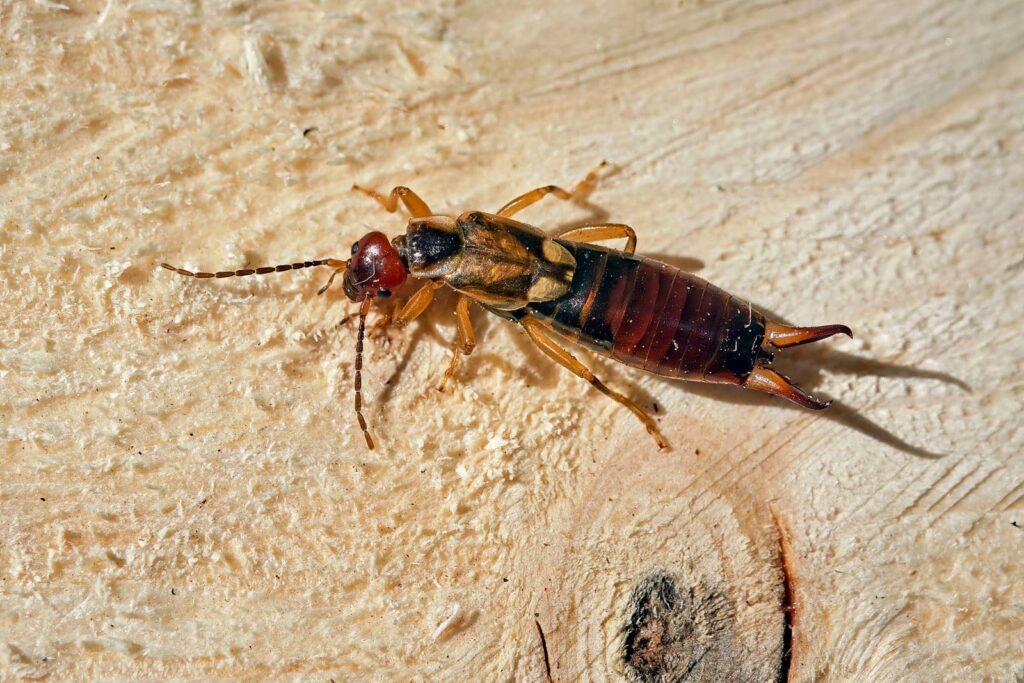
You might think dealing with earwigs requires harsh chemicals, but there are plenty of eco-friendly options that work just as well. By utilizing natural methods, you can protect your garden and the environment. Discovering how to effectively remove these pests can be simpler than you think. Let’s explore some practical strategies that keep your garden thriving while tackling those unwanted earwigs.
Key Takeaways
- Use diatomaceous earth to damage earwig exoskeletons and dehydrate them by sprinkling it in active areas.
- Create a homemade trap with a jar filled with water and natural repellents like vegetable oil as bait.
- Employ essential oils such as peppermint, lavender, or tea tree to repel earwigs when mixed with water and sprayed.
- Maintain a clean garden by removing debris and trimming vegetation to eliminate earwig hiding spots.
- Introduce beneficial insects like ladybugs and nematodes to naturally reduce earwig populations in your garden.
Use Diatomaceous Earth
If you’re looking for a natural way to tackle an earwig problem, diatomaceous earth might just be your best friend. This fine powder, made from fossilized algae, offers several benefits, making it an eco-friendly choice for pest control.
When earwigs come into contact with diatomaceous earth, it damages their exoskeleton, leading to dehydration and, ultimately, their demise.
To effectively apply diatomaceous earth, simply sprinkle it in areas where you notice earwig activity, such as along foundations, garden beds, or around entry points to your home.
You can also create a barrier by mixing it with water and spraying it in infested areas. Remember to reapply after rain or watering, as moisture can reduce its effectiveness.
Create a Homemade Trap
Creating a homemade trap for earwigs is a simple and effective solution that’s kind to the environment.
You’ll need just a few materials you probably already have at home, and I’ll guide you through the step-by-step process.
Let’s get started on crafting a trap that helps keep your space earwig-free!
Materials Needed for Trap
To build an effective homemade trap for earwigs, you’ll need just a few simple materials that are eco-friendly and easy to find around your home.
Start with a shallow container, like a jar or bowl, which will serve as your trap. You’ll also want some effective bait; consider using a mixture of water and natural repellents like vegetable oil or soy sauce. These ingredients attract earwigs and keep your environment safe.
You might also need a small rock or two to weigh down the container, ensuring it doesn’t tip over.
With these materials, you’re on your way to creating a sustainable solution that makes your home more comfortable while embracing eco-friendliness.
Step-by-Step Instructions
Now that you have your materials ready, it’s time to put them to work and create your homemade earwig trap.
Start by taking your shallow container and filling it with a mixture of water and a few drops of dish soap. This acts as a natural repellent while ensuring the earwigs can’t escape.
Next, add a bit of vegetable oil on top, which will attract the critters. Place the trap in areas where you’ve spotted earwigs, preferably near plants.
To enhance your trap’s effectiveness, sprinkle some organic pesticides around the vicinity.
Check your traps daily and dispose of any trapped earwigs responsibly. By using these eco-friendly methods, you’re joining a community committed to sustainable gardening practices!
Employ Essential Oils
When you’re looking for a natural solution to tackle earwigs, employing essential oils can be both effective and environmentally friendly.
These essential oil blends act as natural repellents, keeping those pesky bugs at bay without harming the environment. Here’s how you can use them:
Peppermint oil: Its strong scent deters earwigs and other unwanted pests.
Lavender oil: Not only does it smell lovely, but it also repels earwigs while adding a calming aroma to your space.
Tea tree oil: Known for its potent properties, it can help keep earwigs away effectively.
Eucalyptus oil: Its invigorating scent serves as a barrier against these critters.
Mix a few drops of your chosen essential oils with water in a spray bottle, and apply it to areas where you’ve spotted earwigs.
You’ll feel good knowing you’re using a sustainable method to protect your home!
Maintain a Clean Garden
To keep earwigs at bay, it’s essential to maintain a clean garden.
Regularly removing debris and trimming back overgrown vegetation enhances your garden’s appearance and eliminates hiding spots for these pests.
Remove Debris Regularly
Maintaining a clean garden is essential for keeping earwigs at bay, as these pests thrive in cluttered environments. By regularly removing debris, you create an uninviting space for them.
Here are some common debris types to focus on using effective removal techniques:
- Fallen leaves that trap moisture
- Twigs and branches that provide hiding spots
- Piles of mulch that can harbor nests
- Unused garden pots that collect water
Trim Overgrown Vegetation
While a lush garden can be beautiful, overgrown vegetation often provides the perfect hiding spots for earwigs. By regularly trimming your plants, you reduce these hiding places and enjoy the benefits of pruning.
Pruning encourages healthier growth, improves air circulation, and enhances your garden’s overall appearance. When selecting plants, consider those that are less attractive to pests, creating a more balanced ecosystem. Incorporating native species can also help, as they’re better adapted to your local environment.
Introduce Beneficial Insects
If you’re looking for a natural way to manage earwig populations, introducing beneficial insects can be a game changer.
These helpful allies control earwigs and promote a healthier ecosystem in your garden.
Here are some beneficial insects to take into account:
Ladybugs: Devour aphids and other pests, keeping your garden thriving.
Lacewings: Their larvae feast on soft-bodied insects, including earwigs.
Parasitic Wasps: Target pest species, reducing their numbers without harming your plants.
Nematodes: Microscopic worms that can effectively combat earwig larvae in the soil.
Use Citrus Peels
Citrus peels can be a surprisingly effective solution for keeping earwigs at bay. The natural oils found in citrus fruits, like lemons and oranges, boast citrus benefits that repel these pesky insects.
Simply collect your leftover peels and scatter them around areas where you’ve spotted earwigs. Not only is this method eco-friendly, but it also makes use of something you’d normally toss in the trash.
As you embrace these natural repellents, you’ll find that using citrus peels helps create a welcoming environment for both you and beneficial insects.
Plus, it’s a sustainable way to manage pests without resorting to harsh chemicals. By incorporating this simple strategy into your pest management plan, you’ll keep earwigs away and foster a sense of community with nature.
Water Management Techniques
To effectively manage water around your home, understanding how earwigs thrive in damp environments is essential.
By implementing smart water management techniques, you can create a less inviting habitat for these pests while promoting a healthier environment.
Consider these drainage solutions and moisture control methods:
- Install gutters to direct rainwater away from your foundation.
- Create a slope in your yard to encourage proper runoff.
- Use mulch wisely; it retains moisture but can attract earwigs if it’s too thick.
- Regularly check for leaks in hoses or irrigation systems to prevent pooling water.
Review
By embracing these eco-friendly methods, you can keep earwigs at bay while nurturing your garden’s health. Just like a well-tended symphony, each approach works in harmony to create a balanced ecosystem. Whether you’re spreading diatomaceous earth or introducing beneficial insects, you’ll find that a little effort goes a long way. So roll up your sleeves, get creative, and enjoy a thriving garden free from unwanted pests, all while protecting the environment you love.
Recent Posts
Why Choose Eco-Friendly Solutions for Spider Control?
Imagine a homeowner who opts for chemical sprays to eliminate spiders, only to discover a
3 Tips for Eco-Friendly Spider Control
You might think that spiders are taking over your home, but there are effective, eco-friendly
Sustainable Solutions for Spider Pest Control
Imagine a homeowner in a suburb who’s tired of spiders invading their living space every