
Contents
When it comes to indoor pest control, you don’t have to spend a fortune. There are plenty of cost-effective solutions that you can implement right at home. From homemade traps to natural repellents, these methods can help you tackle common pests without calling in professionals. Understanding your specific pest problem is key, and once you identify it, you can explore various strategies to maintain a pest-free space effectively. What’s your first move?
Key Takeaways
- Identify pests accurately to determine the most effective and cost-efficient control methods tailored to specific infestations.
- Use DIY methods such as homemade traps and essential oil sprays to manage flea populations affordably.
- Employ snap traps or glue traps with effective baits like peanut butter to target rodents without high costs.
- Implement natural remedies, including herbal repellents, to deter pests safely and economically for your home.
- Consider professional pest control services for persistent infestations, balancing effectiveness with the long-term cost of health risks.
Understanding Common Indoor Pests
When you’re dealing with indoor pests, understanding what you’re up against is essential for effective control.
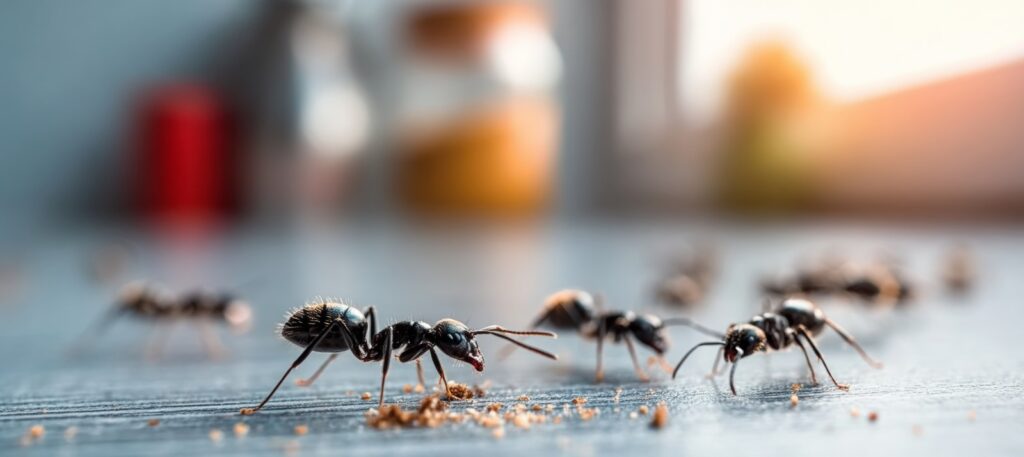
You’ll want to start by employing pest identification techniques to recognize the specific invaders in your home. Common indoor pests include ants, cockroaches, and rodents, each with distinct behaviors. For instance, ants often follow scent trails, while cockroaches thrive in warm, dark areas.
Observe their movements and nesting locations to gain insight into their habits. This knowledge helps you determine the best strategies for elimination.
By understanding indoor pest behavior, you can tailor your approach, whether you’re sealing entry points or setting traps. Remember, identifying the pest correctly is the first step toward a pest-free environment.
You’re not alone in this fight; many others share your desire for a comfortable, pest-free home, and together, you can reclaim your space from these unwelcome guests.
Cost-Effective DIY Methods for Flea Control
Although fleas can be persistent pests, there are several cost-effective DIY methods you can use to tackle them effectively.
Start by creating homemade flea traps using shallow dishes filled with soapy water. Place these traps in areas where you notice flea activity; the fleas will jump in and get stuck.
Another effective method involves using essential oils. Oils like lavender, peppermint, and cedarwood repel fleas while leaving your home smelling fresh.
Mix a few drops of your chosen essential oil with water in a spray bottle and lightly mist carpets, furniture, and pet bedding. Be sure to test a small area first.
Regularly vacuuming your home is vital, as it helps eliminate fleas and their eggs.
Affordable Rodent Extermination Techniques
Many homeowners face the challenge of rodent infestations, but there are affordable extermination techniques that can help you reclaim your space.
Start by selecting the right trap types. Snap traps are effective and reusable, while glue traps can catch rodents without requiring bait. However, if you prefer a more humane approach, consider catch-and-release traps.
When it comes to bait options, peanut butter is a top choice due to its strong scent and sticky texture. Alternatively, you can use dried fruit or sunflower seeds.
Place the traps in areas where you’ve noticed rodent activity, like along walls or near food sources.
Regularly check the traps to dispose of any captured rodents and reset them for continued effectiveness.
Remember, sealing entry points is just as important as trapping; it prevents future infestations.
Utilizing Natural Remedies for Pest Management
After tackling rodent issues with effective traps, you might want to explore natural remedies for broader pest management. Utilizing herbal repellents can be a game changer. For instance, peppermint and lavender are known to deter common pests like ants and spiders. You can easily make a spray by mixing these herbs with water and a few drops of dish soap; just spritz around entry points.
Additionally, essential oils can be incredibly effective. Oils like eucalyptus, tea tree, and lemon smell great and repel insects. Mix a few drops with a carrier oil and apply it to areas where pests tend to gather.
These natural solutions are budget-friendly and safe for your family and pets. By incorporating these remedies, you’ll create a welcoming home environment while keeping pests at bay.
Embrace these methods, and you’ll feel more empowered in your pest management efforts.
When to Consider Professional Pest Control Services
If you notice persistent signs of infestation despite your efforts, it might be time to call in professionals.
They can assess health risks associated with pests that you may not be aware of, ensuring your home stays safe.
Taking these steps can save you time and prevent further complications down the road.
Persistent Infestation Signs
When you notice signs of a persistent pest infestation, it’s crucial to act swiftly to prevent further damage. Ignoring these signs can lead to more significant issues down the line.
Here are four key indicators to watch for:
Identifying droppings: Finding droppings in your home can signal a serious infestation.
Unusual noises: Hearing scratching or scurrying sounds, especially at night, often points to pests.
Visible nests: Spotting nests or burrows in hidden areas indicates a breeding ground.
Damage to property: Signs of gnawed wires, furniture, or other belongings can be a clear warning.
If you notice any of these signs, it’s time to contemplate professional pest control services to effectively address the issue.
Health Risk Assessment
Ignoring the signs of a persistent pest infestation can lead to various health risks that may affect you and your family.
Pests like rodents and insects can carry diseases that pose serious health implications, such as allergies or respiratory issues. You mightn’t realize the pest impact until someone in your household suffers from an unexplained illness.
If you notice increased allergy symptoms, unexplained bites, or pest droppings, it’s time to act. Don’t wait for the situation to escalate.
Seeking professional pest control services can provide you with a thorough assessment and effective solutions. Protecting your home is essential for your family’s well-being, ensuring a safe environment where you can thrive together without the worry of pests.
Tips for Preventing Future Infestations
While dealing with a pest infestation can be overwhelming, taking proactive steps can greatly reduce the chances of future occurrences. Here are some practical tips to help you maintain a pest-free environment:
Practice proper sanitation: Regularly clean your home, focusing on kitchens and dining areas where food residues attract pests.
Seal entryways: Inspect doors, windows, and any cracks in your home’s foundation. Use caulk or weatherstripping to block potential entry points.
Store food properly: Keep food in airtight containers to prevent access for pests. Don’t forget to secure pet food as well!
Manage moisture: Fix leaks and use dehumidifiers in damp areas to eliminate moisture that pests thrive on.
Conclusion
In your quest for a pest-free home, think of yourself as the gardener nurturing a vibrant garden. By using cost-effective solutions, you’re planting seeds of prevention and care, allowing your space to flourish without unwanted guests. Just as a well-tended garden keeps weeds at bay, your proactive measures will ensure pests stay away. Remember, every small effort counts, and with a little diligence, you can cultivate a sanctuary that’s both inviting and pest-free.
Recent Posts
Do Mice Go Away on Their Own? The Honest Answer
You may not realize that mice often stay put even when a home feels busy
Mouse Droppings vs Rat Droppings: Identify Your Intruder
You may not know that droppings can tell you more than just whether rodents are
What Attracts Mice to a Clean House? 7 Surprising Culprits
Some homes report some mouse activity each year, and even a spotless house can still