
Contents
When you find a tick on your skin, it’s important to act quickly and safely. Using the right tick removal tools and techniques can make all the difference in minimizing health risks. You’ll want to know how to remove it properly, clean the area, and monitor for any symptoms afterward. This isn’t just about getting the tick off; it’s about protecting your health. Let’s explore the top tips that will guide you through the process effectively.
Key Takeaways
- Use fine-tipped tweezers to grasp the tick without squeezing its body, reducing the risk of pathogen release.
- Grasp the tick close to the skin to avoid leaving mouthparts embedded and minimize injury.
- Pull upward with steady pressure, maintaining a firm grip without twisting or jerking the tick.
- Clean the bite area thoroughly with soap and water or antiseptic wipes to prevent infection.
- Monitor for symptoms like rash, fever, or fatigue after removal and consult a healthcare professional if they arise.
Use Fine-Tipped Tweezers
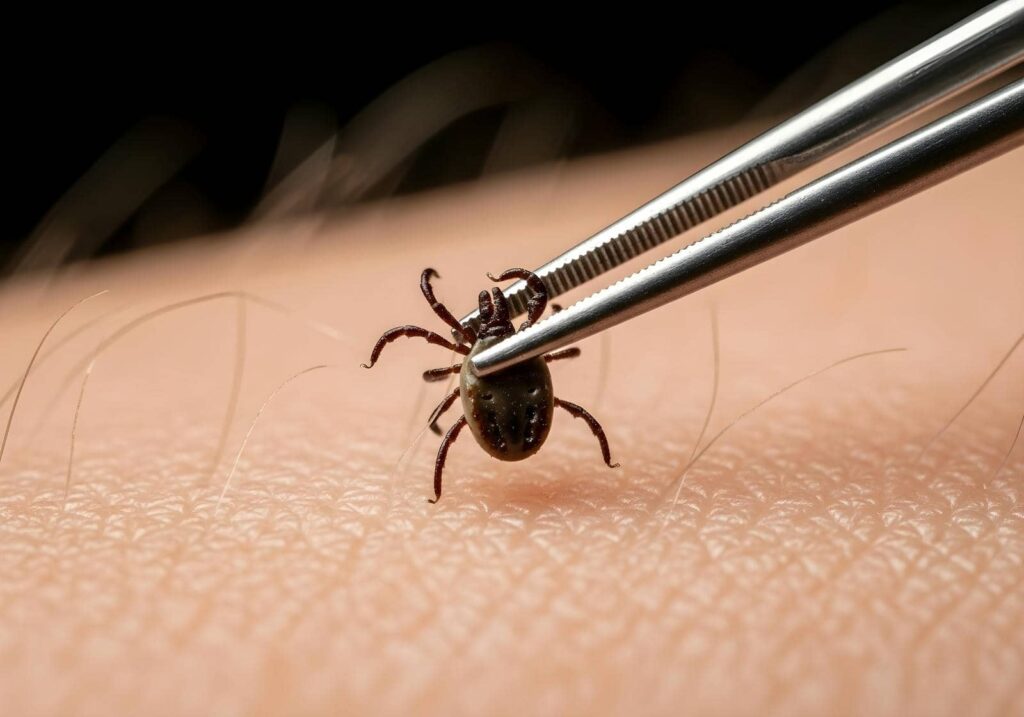
When you find a tick on your skin, using fine-tipped tweezers is essential for safe removal. These tweezers allow you to grasp the tick firmly without squeezing its body, which could release harmful pathogens.
Begin by ensuring you can identify the type of tick; this knowledge can guide your prevention strategies and help you monitor for potential infections.
Position the tweezers as close to your skin as possible, pulling straight out with steady pressure. Avoid twisting or jerking, as this might cause parts of the tick to break off and remain embedded.
After removal, clean the area thoroughly and keep an eye on any symptoms. Prompt action can make a significant difference in your health and peace of mind.
Grasp the Tick Close to the Skin
To ensure a successful tick removal, grasp the tick as close to your skin as possible. This approach helps minimize the chance of leaving any mouthparts embedded in your skin, which can lead to infection.
When you’re in a tick habitat, like wooded or grassy areas, being vigilant is key for tick prevention. Use your fine-tipped tweezers to hold the tick firmly but gently. Avoid pinching the tick’s body, as this can cause it to release more saliva, potentially increasing your risk of disease transmission.
Remember, staying informed about tick habitats and practicing tick prevention can keep you safe, but knowing how to remove a tick properly is essential if you find one attached.
Stay safe and informed!
Pull Upward With Steady Pressure
Once you’ve grasped the tick close to the skin, it’s time to pull upward with steady pressure. This technique is essential for effective removal, as it helps minimize the risk of breaking the tick’s body, which can lead to complications.
Understand that tick behavior often involves embedding themselves tightly, so your grip should be firm yet gentle. Avoid twisting or jerking the tick; instead, maintain a consistent pull. This method aligns with best removal techniques recommended by experts, ensuring you safely extract the tick without leaving parts behind.
Clean the Bite Area Thoroughly
Cleaning the bite area thoroughly is essential after tick removal to prevent infection and ensure proper healing.
Start by washing your hands with soap and water before touching the bite site. Use antiseptic wipes or a clean cloth with soap and water to gently cleanse the area. This step is critical for effective bite care and can notably reduce your risk of complications.
After cleansing, pat the area dry with a clean towel. If you notice any irritation, consider applying an over-the-counter antibiotic ointment.
Remember, practicing good bite care is an important part of tick prevention. By taking these simple steps, you help secure a safe recovery and minimize the risk of infection.
Stay vigilant and protect yourself from ticks!
Monitor for Symptoms After Removal
After removing a tick, it’s important to monitor the bite area and your overall health for any symptoms that may arise.
Keeping an eye on how you feel helps track recovery and catch any issues early. Here are some symptoms to watch for:
- Rash or redness around the bite area.
- Fever or chills, which could indicate an infection.
- Fatigue or muscle aches, as they can signal a tick-borne illness.
If you notice any of these symptoms, don’t hesitate to reach out to a healthcare professional.
It’s better to be safe and informed. Remember, staying vigilant after tick removal is a key part of keeping your health on track.
Frequently Asked Questions
Can I Use My Fingers to Remove a Tick?
You shouldn’t use your fingers to remove a tick. Instead, rely on proper removal techniques with tweezers for better finger safety. This method minimizes infection risk and ensures you remove the tick completely.
What Should I Do if the Tick’s Head Remains in the Skin?
If the tick’s head remains in your skin, don’t panic. Few tick bites lead to infections. Carefully extract the head with tweezers, and watch for signs of infection. Consult a doctor if needed.
Is There a Specific Time Frame for Tick Removal?
You should remove a tick as soon as possible, ideally within 24 hours, to minimize the risk of infection. Since ticks can attach for days, acting quickly helps reduce their lifespan and your exposure.
Can Ticks Transmit Diseases at Any Stage of Attachment?
Yes, ticks can transmit diseases at any stage of attachment. Understanding the tick life cycle helps you recognize risks. Even a brief encounter can lead to disease transmission, so staying vigilant is essential for your health.
Are There Any Home Remedies for Tick Removal?
When it comes to home remedies for tick removal, you’ve got options! Natural oils like tea tree or eucalyptus can help, and vinegar solutions might also work. Just remember, don’t cut corners—safety’s key!
Final Thoughts
In the battle against ticks, remember: every small action counts, much like David facing Goliath. By using fine-tipped tweezers and ensuring a steady pull, you can outsmart these pests. Don’t forget to clean the area and keep an eye on any symptoms that may arise afterward. Just as vigilance is key in life, staying alert after tick removal can safeguard your health. Follow these tips, and you’ll emerge victorious in this fight against tick-borne dangers.
Recent Posts
Ant Prevention Tips for Every Season
If you want to keep ants out all year, you need to treat prevention as
5 Ant Prevention Tips for Every Season
Ants move in when you slip, and they don’t need much. You can keep them
What Ant Prevention Works Year-Round?
You seal cracks, you cut off food, and you dry out moisture, and ants lose