
Contents
Keeping your home pest-free requires a proactive approach. You’ll want to start by sealing entry points and maintaining cleanliness throughout your living space. Proper food storage and waste disposal play a vital role too. Don’t overlook your outdoor landscaping—it can either attract or deter pests. Ready to explore essential pest prevention tips that can help you safeguard your home and family from unwanted visitors? Let’s get started.
Key Takeaways
- Seal entry points around your home, including doors and windows, to prevent pests from entering.
- Maintain a clean indoor environment by regularly vacuuming and decluttering to eliminate hiding spots.
- Properly store food in airtight containers and dispose of trash regularly to minimize attractants.
- Manage outdoor landscaping by trimming vegetation and ensuring proper drainage to reduce pest habitats.
- Schedule annual professional pest inspections to detect and prevent infestations effectively.
Seal Entry Points Around Your Home
To keep pests at bay, it’s essential to seal entry points around your home. Start by checking your doors; installing door sweeps can effectively block gaps that pests might sneak through.
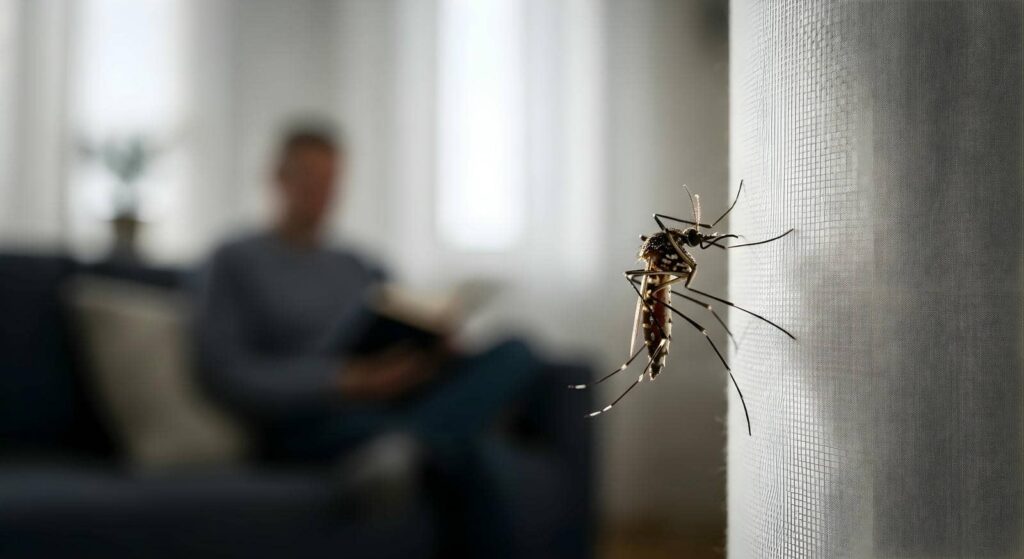
Don’t overlook your windows, either—ensure they’re fitted with sturdy window screens. Inspect for tears or holes and replace any damaged screens promptly.
Also, examine the exterior of your home for cracks in the foundation or gaps around pipes. Use caulk or expanding foam to seal these vulnerabilities.
Ensuring your home is tightly sealed keeps pests out and fosters a safe, comfortable environment for your family. By taking these simple steps, you’ll create a more secure space, enhancing your sense of belonging and peace at home.
Maintain a Clean Indoor Environment
After sealing entry points around your home, maintaining a clean indoor environment is essential in keeping pests at bay.
Start by decluttering your living spaces; indoor clutter provides hiding spots for pests. Regularly vacuum, dust, and mop to eliminate crumbs and spills that attract unwanted guests.
Pay close attention to areas where your pets spend time, as pet hygiene plays a vital role in pest prevention. Wash pet bedding frequently and groom your pets regularly to reduce dander and hair.
Store pet food in airtight containers to prevent attracting insects.
Properly Store Food and Waste
To keep pests at bay, it’s essential to store food and waste properly.
Always seal food containers tightly and dispose of trash regularly to eliminate attractants.
Additionally, clean up spills quickly to prevent any lingering odors that might draw unwanted visitors.
Seal Food Containers
Properly sealing food containers is an essential step in pest prevention, as even the smallest crumb can attract unwanted visitors.
To ensure effective food storage, choose airtight container types like glass jars, plastic bins, or vacuum-sealed bags. These options keep your food fresh and deter pests from getting inside.
Always store dry goods such as grains, cereals, and snacks in sealed containers. For perishable items, utilize refrigerators with tight-sealing lids.
Remember to regularly check your food storage areas for any signs of wear or damage to containers.
Dispose of Trash Properly
While you may not think about it often, disposing of trash properly is essential for keeping pests at bay. Start by using sturdy trash bags and sealing them tightly. This simple step helps prevent odors and minimizes the chance of attracting unwanted visitors.
Schedule regular trash collection to avoid overflowing bins that can lure insects and rodents. Make sure your waste management practices include recycling and composting, which can reduce the overall volume of trash you produce.
Always store your trash cans away from your home’s entrance, and clean them regularly to eliminate residues. By taking these precautions, you protect your home and create a welcoming environment for your family and friends.
Clean Up Spills Quickly
Cleaning up spills quickly is essential in preventing pests from invading your home. A swift response to any mess can make all the difference. When you’ve spilled food or drink, grab some paper towels or a cloth immediately to soak up the mess.
Don’t forget to clean the area with a suitable cleaner to remove any lingering residue that could attract pests.
Store food in airtight containers to further minimize the risk of attracting unwanted guests. Make sure your trash bins have tight-fitting lids, too.
Regularly check your kitchen and dining areas for any forgotten spills or crumbs, as these can be an open invitation for pests. Quick and thorough spill cleanup is a simple yet effective way to keep your home pest-free.
Manage Outdoor Landscaping
To keep pests at bay, you need to manage your outdoor landscaping effectively.
Start by trimming overgrown vegetation to reduce hiding spots, and ensure proper drainage to prevent standing water.
Additionally, consider using pest-resistant plants to create a natural barrier against unwanted critters.
Trim Overgrown Vegetation
When you let vegetation grow unchecked, it can create a welcoming environment for pests. To keep your home pest-free, focus on regular landscape maintenance.
Start by trimming overgrown bushes and shrubs, ensuring they’re not touching your home’s exterior. This simple act can deter pests from seeking shelter close to your living space.
Additionally, pay attention to plant selection; choose varieties that are less prone to attracting pests.
Opt for native plants that thrive in your area, as they often require less maintenance and are more resilient.
Maintain Proper Drainage
Keeping your landscape tidy isn’t just about trimming overgrown vegetation; it also involves managing how water drains around your home. Proper drainage solutions are essential to prevent water from pooling near your foundation, which can attract pests like mosquitoes and termites.
Start by checking your gutters and downspouts to ensure they direct water away from your home. Consider landscaping features, such as swales or dry wells, to enhance water management and promote proper flow.
If you notice areas where water collects, address them by grading the soil or adding drainage pipes. By taking these steps, you’ll create a healthier environment for your family while reducing the risk of unwanted pests.
Use Pest-Resistant Plants
Choosing pest-resistant plants is a smart strategy for managing your outdoor landscaping and minimizing pest problems. By incorporating pest-resistant flowers, like marigolds and lavender, you can create a vibrant garden that naturally deters unwanted insects.
These plants enhance your yard and attract beneficial insects such as ladybugs and lacewings, which help keep pests in check. When selecting plants, consider native species, as they’re often more resilient and better suited for your local environment.
Grouping these flowers together can create a natural barrier, making it harder for pests to invade. Embracing pest-resistant landscaping fosters a healthier garden and builds a sense of community as you share tips and successes with fellow gardening enthusiasts.
Use Natural Pest Deterrents
Looking to keep pests at bay? Natural pest deterrents can be your best friend.
Consider using essential oils like peppermint, lavender, or tea tree oil, which are known for their insect-repelling properties. You can easily create homemade sprays by mixing a few drops of your chosen oil with water in a spray bottle. This helps deter pests and leaves your home smelling fresh and inviting.
Simply spray areas where pests are likely to enter or congregate. Additionally, these natural solutions are safe for your family and pets, making them a smart choice for households.
Embrace these eco-friendly options to protect your home while fostering a healthy living environment for everyone.
Regularly Inspect for Signs of Infestation
While you may not always see pests, their presence can be detected through various signs of infestation. Regular inspections are essential for maintaining a pest-free home.
Use effective pest identification techniques to look for common infestation warning signs, such as droppings, gnaw marks, or nesting materials. Check areas like kitchens, basements, and attics, where pests are likely to hide.
Be vigilant around entry points, including doors and windows, as these are hotspots for unwanted visitors. Don’t forget to examine your plants and furniture, as pests can lurk in unexpected places.
Keep Firewood and Debris Away From Home
To prevent pests from invading your home, store firewood at least 20 feet away and off the ground.
Regularly clear away debris, like leaves and branches, that can attract unwanted insects and rodents.
Maintaining a tidy outdoor space is key to keeping pests at bay.
Proper Firewood Storage
Proper firewood storage is essential for preventing pests from invading your home, especially since insects and rodents are often attracted to piles of wood and debris.
To keep firewood pests at bay, follow these simple guidelines:
Store firewood off the ground: Use a rack or pallets to elevate the wood, allowing air circulation and reducing moisture.
Keep it away from your home: Aim for a distance of at least 20 feet to minimize the risk of pests entering your living space.
Cover the wood: Use a tarp or firewood cover to protect your supply from rain, but leave the sides open for ventilation.
Clear Debris Regularly
Keeping your outdoor space tidy is just as important as storing firewood correctly. Regular yard clean up helps prevent pests from finding shelter near your home.
Start by clearing away leaves, branches, and any other debris that accumulates in your yard. This debris managementenhances your home’s appearance and reduces hiding spots for insects and rodents.
Make it a habit to check your yard weekly, especially after storms or strong winds.
Make sure that firewood is stored away from the house, ideally on a raised platform to allow air circulation.
Monitor and Control Moisture Levels
Moisture levels in your home can greatly impact pest activity, as many pests thrive in damp environments. To keep your home pest-free, focus on effective humidity control and moisture monitoring.
Here are some practical steps you can take:
Use dehumidifiers in high-humidity areas, like basements and bathrooms, to reduce moisture.
Fix leaks promptly to prevent water accumulation, ensuring that pipes and roofs are in good condition.
Ventilate spaces properly, especially kitchens and laundry rooms, to allow airflow and decrease humidity.
Schedule Professional Pest Inspections
Scheduling professional pest inspections at least once a year can greatly enhance your home’s defense against unwanted invaders. By adhering to this pest inspection frequency, you ensure that any potential issues are caught early.
During these inspections, experts will use a detailed inspection checklist to evaluate your home’s nooks and crannies, identifying vulnerabilities you might overlook. They’ll assess areas prone to pests, such as basements, attics, and entry points.
Regular inspections help in detecting current infestations and prevent future ones, keeping your family and home safe. Remember, investing in professional pest inspections is a proactive step in creating a healthy living environment where everyone can feel comfortable and secure.
Don’t wait until you see a pest—act now!
Educate Family Members on Pest Awareness
Understanding pests and their behaviors is an important part of maintaining a pest-free home. By educating your family members, you can strengthen pest identification skills and foster a sense of teamwork.
Engage in family discussions about common pests and how to spot them. Here are some key points to cover:
Recognize signs: Teach everyone to identify droppings, nests, or damage.
Discuss prevention: Talk about keeping food stored and cleaning regularly.
Report sightings: Encourage family members to inform each other about any pest sightings immediately.
These conversations help everyone feel involved and responsible for keeping your home safe.
Frequently Asked Questions
How Can I Tell if I Have a Pest Problem?
You can tell if you have a pest problem by using pest identification methods. Look for common pest signs like droppings, gnaw marks, or nests. If you notice these, it’s time to take action.
What Should I Do if I Find a Pest in My Home?
When the unwelcome intruder crosses your threshold, you must act swiftly. Initiate pest removal with immediate action—seal entry points, set traps, and consider professional help. Your home deserves protection, turning chaos into harmony once again.
Are There Any Petsafe Pest Control Options Available?
Yes, there are petsafe pest control options available. You can use natural repellents like essential oils or organic solutions such as diatomaceous earth to effectively manage pests without harming your furry friends. Stay safe and pest-free!
How Often Should I Check for Pests in My Home?
You should check for pests quarterly, as homes experience infestations at some point. Maintaining seasonal pest awareness helps you stay proactive, ensuring your environment remains comfortable and safe for everyone in your family.
What Are the Signs of Pest Resistance to Treatments?
You’ll notice pest behavior changes, like increased activity or different nesting sites. Treatment failure signs include pests reappearing shortly after treatment or showing minimal response. Regular monitoring helps you catch these issues early.
Recap
By implementing these pest prevention tips, you’re not just protecting your home; you’re creating a safer, healthier environment for your family. Coincidentally, as you seal entry points and maintain cleanliness, you’ll find that your home feels more inviting and organized. When everyone in your family understands the importance of pest awareness, you build a collective responsibility that strengthens your bond. Stay proactive, and you’ll ensure that pests remain a distant worry, allowing you to enjoy your home to the fullest.
Recent Posts
Why Springtails Invade Your Home?
After a week of heavy rain, you may notice tiny springtails clustering on a bathroom
What Is the Best Springtail Control?
The best springtail control starts with understanding why they’re inside in the first place: excess
10 Best Springtail Control Tips for Homes
If you’re seeing springtails indoors, you’re likely dealing with a moisture problem, not a random