
Contents
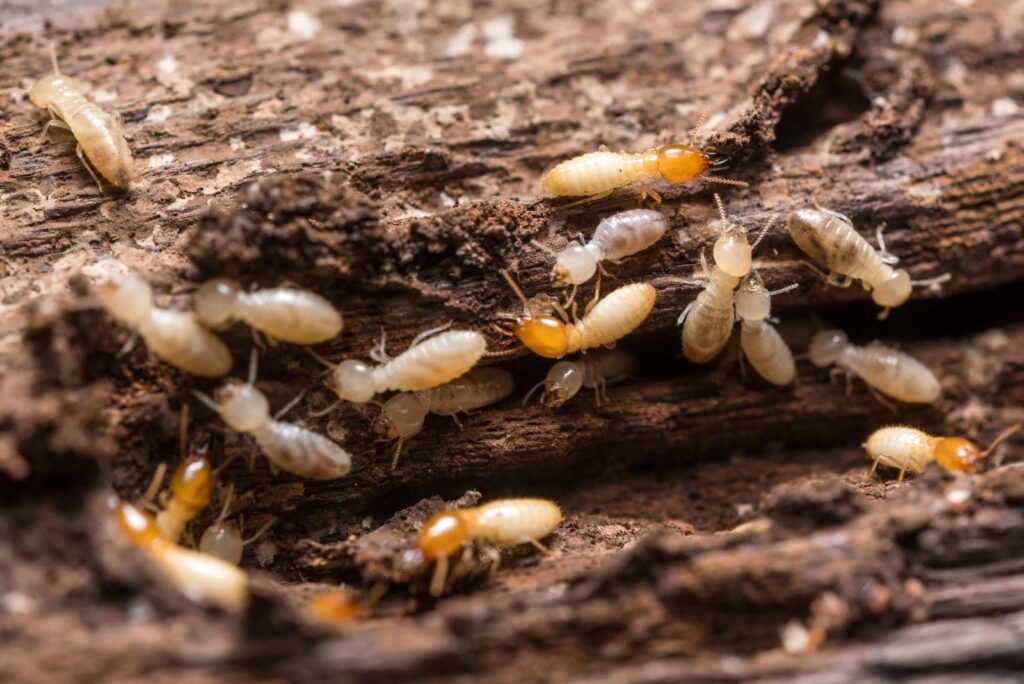
Termites can cause extensive damage to your home, often going unnoticed until it’s too late. Many homeowners overlook effective home remedies that can curb these pests naturally. Understanding various methods, from boric acid treatments to essential oils, can empower you to tackle a potential infestation. If you want to protect your home without resorting to harsh chemicals, explore these strategies that can help you manage and prevent termite problems.
Key Takeaways
- Use a vinegar solution (equal parts vinegar and water) to spray areas with termite activity for disruption of their digestion.
- Apply a mixture of baking soda and sugar in shallow containers to attract and eliminate termites effectively.
- Utilize essential oils like cinnamon and clove oil mixed with water to repel termites around entry points.
- Spread diatomaceous earth in active termite areas to damage their exoskeletons and dehydrate them.
- Incorporate nematodes into the soil as natural predators to kill termites while promoting a self-regulating ecosystem.
Boric Acid Treatment
When dealing with a termite infestation, boric acid treatment offers a reliable and effective solution. This natural insecticide is composed of a mineral compound that disrupts the digestive systems of termites, leading to their demise.
You’ll find that boric acid’s effectiveness stems from its ability to target both adult termites and their larvae. When applying this treatment, make certain you follow proper safety guidelines; boric acid safety is paramount. Use gloves and masks to avoid direct contact, and keep them away from pets and children.
Spread the powder in infested areas or mix it with water for a bait solution. By choosing boric acid, you’re embracing a sustainable pest control method that protects your home while aligning with environmentally conscious practices.
Diatomaceous Earth Application
Diatomaceous earth (DE) is a powerful, natural option for tackling termite infestations, and just a small amount can make a significant impact.
This fine powder, made from fossilized algae, comes in various types, including food-grade and pool-grade. For termite control, always choose food-grade DE, as it’s safe around pets and children.
When applying DE, wear a mask to prevent inhalation, ensuring diatomaceous earth safety. Target areas where termites are active, such as wood piles or infested furniture. Lightly dust the powder, allowing it to adhere to surfaces.
The sharp edges of DE particles damage termites’ exoskeletons, leading to dehydration. Regularly reapply after rain or cleaning to maintain effectiveness and protect your home from these destructive pests.
Nematodes as Natural Predators
Nematodes are microscopic roundworms that act as natural predators of termites, offering an eco-friendly solution to infestations.
You’ll find various application methods, from soil incorporation to targeted releases, ensuring they effectively reach the pests.
Research indicates that when applied correctly, nematodes can greatly reduce termite populations, providing a sustainable alternative to chemical treatments.
Nematodes Overview and Benefits
While many pest control methods rely on chemicals that can harm the environment, using nematodes offers a natural solution for managing termite populations.
These microscopic roundworms, particularly certain nematode species, act as effective biological control agents. They enter termite bodies, where they release symbiotic bacteria that kill the host within days.
Understanding the nematode lifecycle is essential; they reproduce rapidly in the presence of their prey, ensuring a sustained impact on termite colonies.
By introducing nematodes into infested areas, you promote a self-regulating system that minimizes chemical use and fosters ecological balance.
Embracing this method helps eliminate termites and aligns with a growing community commitment to sustainable pest management practices.
Application Methods for Nematodes
Effective application methods for nematodes as natural predators are essential to maximizing their impact on termite populations.
To ensure you’re using the right application techniques, consider the following:
Soil Drenching: Mix nematode species with water and apply directly to infested areas.
Spraying: Utilize a sprayer to distribute nematodes evenly in termite-prone zones.
Baiting: Introduce nematodes into bait stations where termites frequent for targeted control.
Irrigation Incorporation: Combine nematodes with your irrigation system to ensure even distribution.
Effectiveness Against Termite Infestations
When targeting termite infestations, using nematodes as natural predators can yield significant results. These microscopic roundworms actively seek out and attack termites, aligning perfectly with your goal to eradicate these pests.
By understanding termite behavior, you’ll recognize that nematodes exploit their vulnerabilities, entering through openings in their exoskeletons. As you monitor infestation signs, such as discarded wings or hollowed wood, applying nematodes can effectively reduce termite populations in your home environment.
They thrive in moist conditions, making them an excellent choice for treating affected areas. Combining nematodes with other preventive measures enhances your overall strategy, fostering a pest-free space.
Embrace this natural solution, and you’ll feel more empowered in your fight against termite infestations.
Essential Oils for Repellency
If you’re looking for a natural way to deter termites, essential oils can serve as potent repellents. Utilizing essential oil blends can effectively create a barrier against these pests.
Here are some oils you might consider:
Cinnamon oil: Known for its strong scent, it disrupts termite pheromones.
Clove oil: Acts as a natural repellent and has insecticidal properties.
Orange oil: Contains d-limonene, which is toxic to termites upon contact.
Peppermint oil: Its strong aroma deters termites and other insects.
Mix these oils with water and spray around potential entry points.
Regular application enhances their effectiveness as natural repellents, helping you maintain a termite-free environment in your home.
Vinegar Solution Method
The vinegar solution method presents a straightforward yet powerful approach to combat termites. By utilizing a vinegar concentration of at least 50%, you can create an effective remedy that disrupts the termites’ digestive systems.
Start by mixing equal parts of white vinegar and water in a spray bottle. When applying this solution, target areas where you’ve noticed termite activity, such as wood structures or infested furniture.
Make sure you spray thoroughly, soaking the affected areas to maximize contact. For best results, repeat this application technique every few days until you see a significant reduction in termite presence.
This method helps eliminate existing termites and acts as a deterrent against future infestations, making your home a safer space.
Orange Oil Usage
Orange oil offers a potent solution for termite control, thanks to its active ingredient, d-limonene, which disrupts their exoskeleton and respiratory system.
To effectively apply orange oil, you can use methods such as direct application or mixing it with water for a spray solution.
While utilizing this remedy, it’s crucial to take into account safety precautions, including wearing gloves and ensuring proper ventilation during application.
Benefits of Orange Oil
Known for its distinct aroma and versatility, orange oil serves as an effective natural remedy for termite control. Its unique orange oil properties make it a preferred option for homeowners seeking eco-friendly solutions.
Here are some benefits you can expect:
Non-toxic: Safe for pets and children, making it a family-friendly choice.
Repellent effect: Termites often avoid areas treated with orange oil, enhancing its effectiveness.
Pleasant scent: Unlike chemical pesticides, orange oil leaves your home smelling fresh and inviting.
Easy application: It can be used in various ways, fitting seamlessly into your routine.
Application Methods Explained
When you’re ready to tackle a termite problem, utilizing orange oil effectively can make a significant difference. First, identify areas with active termite behavior; this ensures targeted application.
Mix orange oil with a carrier oil or water to enhance its spreadability. Use a spray bottle to apply the solution directly onto affected wood and surrounding areas—this maximizes treatment effectiveness.
Repeat the application every few weeks to disrupt the termites’ life cycle. Additionally, consider soaking wooden structures in the solution for deeper penetration.
Always monitor the treated areas for signs of termite activity after application, adjusting your methods as needed to ensure ongoing protection. By understanding and adapting to termite behavior, you’ll improve your chances of successfully eliminating these pests.
Safety Considerations and Tips
Using orange oil for termite treatment offers an effective natural alternative, but safety precautions are important to confirm a safe application. Understanding termite behavior and ensuring home safety can enhance your effectiveness in managing infestations. Here are some tips to keep in mind:
Always wear gloves and a mask when applying orange oil to avoid skin irritation and inhalation.
Test a small area first to check for any adverse reactions on surfaces.
Keep the area well-ventilated during application to prevent overwhelming scents.
Store orange oil in a cool, dark place, away from children and pets, to confirm safety.
Baking Soda and Sugar Bait
Baking soda and sugar bait serve as an effective and natural method for controlling termite populations in your home. The combination of baking soda, known for its diverse uses, and sugar, which benefits from its enticing sweetness, creates a potent bait.
When you mix equal parts of baking soda and sugar, the sugar attracts termites, while the baking soda disrupts their digestive system. To implement this method, place the mixture in shallow containers around affected areas.
As termites consume the bait, they’ll carry it back to their colony, leading to a more significant impact. Regularly check and replenish the bait to ensure its effectiveness.
With persistence and care, you can reclaim your home from these destructive pests naturally and safely.
Saltwater Infusion
While the baking soda and sugar bait effectively attract and disrupt termite populations, another natural method worth considering is a saltwater infusion.
This technique leverages the saltwater benefits and enhances your home’s termite resistance.
Here’s how you can use saltwater to combat termites:
- Dissolve salt in water: Mix a high concentration of salt with warm water.
- Apply directly: Use a spray bottle to target areas where termites are active.
- Soak wood: For severe infestations, soak the infested wood in the saltwater solution.
- Reapply regularly: Consistency is key; repeat applications maintain effectiveness.
Cardboard Trap Technique
The cardboard trap technique is an effective and eco-friendly method for attracting and eliminating termites from your home.
To implement this strategy, gather several pieces of cardboard and moisten them to increase the cardboard’s moisture, which makes them irresistible to termites.
Place the damp cardboard in areas where you’ve noticed termite activity, ensuring it sits undisturbed for a few days.
The bait effectiveness of this approach lies in the cardboard’s cellulose, which termites love.
Once you’ve attracted a significant number of termites, simply remove the cardboard and destroy it, effectively eliminating these pests.
This method helps control termite populations while fostering a sense of community as you engage with nature and protect your home sustainably.
Preventive Landscaping Practices
To effectively prevent termite infestations, you should consider implementing strategic landscaping practices.
Start by planting repellent vegetation, which can naturally deter these pests, and ensure you maintain proper soil moisture to reduce their attraction to your property.
Additionally, regularly clearing debris from your yard minimizes potential habitats for termites, enhancing your overall defense against these wood-destroying insects.
Plant Repellent Vegetation
Incorporating plant repellent vegetation into your landscaping can greatly reduce the risk of termite infestations. By choosing termite-resistant plants, you create a natural barrier against these pests.
Here are some effective natural deterrent options:
- Marigolds: Their strong scent repels termites and other insects.
- Nematodes: Beneficial microscopic worms that target termite larvae.
- Mint: The aroma deters termites while adding fragrance to your garden.
- Cedar: Its natural oils are toxic to termites, making it a great choice for garden borders.
Planting these species enhances your landscape and promotes a healthier environment.
Maintain Soil Moisture
While you mightn’t think about soil moisture as a direct factor in termite control, maintaining ideal moisture levels in your landscape can greatly deter these pests.
Healthy soil quality promotes moisture retention, which is essential for plant health but can also influence termite behavior. By ensuring your soil isn’t too dry or overly saturated, you create an environment that discourages termites from establishing colonies.
Consider implementing mulch to enhance moisture retention while also suppressing weed growth. Additionally, strategically placing plants that thrive in your local climate can support peak soil moisture levels.
Clear Debris Regularly
Since debris can create a perfect habitat for termites, regularly clearing your yard of fallen branches, leaves, and other organic matter is vital for termite prevention.
Effective debris removal is a significant aspect of outdoor maintenance that protects your home. Here are some practices to take into account:
- Remove fallen branches and twigs promptly.
- Rake leaves regularly, especially in the fall.
- Trim back overgrown shrubs and plants.
- Ensure proper drainage to avoid water pooling.
Frequently Asked Questions
How Long Does It Take for These Remedies to Work?
The treatment duration for remedy effectiveness varies, typically taking several days to weeks. Factors like infestation severity, remedy type, and environmental conditions affect how quickly you’ll notice a reduction in termite activity.
Are These Remedies Safe for Pets and Children?
Yes, many natural repellents are safe for pets and children, but you should always take safety measures. Research each remedy carefully, ensuring it aligns with your family’s needs and maintains a healthy environment for everyone.
Can I Use Multiple Remedies Simultaneously?
Yes, you can use remedy combinations to enhance treatment effectiveness. However, verify the remedies are compatible and safe for your environment. Monitor for any adverse reactions, adjusting your approach as necessary for best results.
How Do I Identify a Termite Infestation?
Over 2,000 termite species exist, but only a few cause damage. To identify an infestation, look for mud tubes, damaged wood, or discarded wings—these signs indicate specific termite types and help assess the severity of the problem.
What Are the Signs of Termite Damage in Homes?
You’ll notice signs of termite damage through small piles of termite droppings and wood that sounds hollow when tapped. Inspecting these areas helps you identify potential infestations before they cause significant structural harm.
Recap
Combating termites effectively requires a combination of natural remedies and proactive measures. Whether you choose to apply boric acid, utilize diatomaceous earth, or implement essential oils, each method serves a purpose. By incorporating preventive landscaping practices, regularly monitoring for signs of infestation, and employing techniques like saltwater infusion or baking soda bait, you can create a thorough strategy. Stay vigilant, stay informed, and take action to protect your home from these destructive pests.
Recent Posts
Bee and Box Elder Bug Removal
If you’re dealing with bees or box elder bugs, you need to identify the pest
Why Bee Removal Helps With Boxelder Bugs
When you remove a paper wasp nest from an eave in late summer, you often
Red Flour Beetle Removal Guide
If you’ve found small reddish-brown beetles in your pantry, you need to act fast. You