
Contents
You seal cracks, you cut off food, and you dry out moisture, and ants lose the easy paths they use year-round. Focus on windows, doors, pipes, counters, and stored food, then back that up with baits and outdoor barriers. Small gaps and small spills can undo your work fast, so the best plan is a steady one. The details change by season, and that’s where the real control starts.
Key Takeaways
- Keep kitchens clean, wipe crumbs, and store food in sealed containers to remove ant food sources year-round.
- Fix leaks and dry sinks overnight because ants are drawn to moisture indoors.
- Seal gaps around doors, windows, pipes, and foundations with caulk, weatherstripping, or foam.
- Use bait stations near trails and entry points for long-term control, and refresh them regularly.
- Check seasonal problem areas like pet bowls, trash, recyclables, and screens to prevent new infestations.
What Ant Prevention Works Year-Round?
Year-round ant prevention works best when you combine a few simple habits that keep ants from finding food, water, and entry points in your home.
You can start by cleaning crumbs, wiping sticky spills, and storing food in sealed containers. Use natural repellents like vinegar, peppermint, or citrus around problem areas to discourage scouting ants.
In warm months, you’ll want to stay ahead with seasonal strategies such as checking pet bowls, rinsing recyclables, and emptying trash often.
In cooler months, keep kitchen and pantry routines steady so ants don’t settle in.
If you stay consistent, you’ll make your home less inviting without much effort. Small daily actions add up, and you’ll feel more in control all year.
Seal Entry Points Before Ants Get In
Look closely at the places ants can sneak inside, then seal them before they become a bigger problem. Start with entry point inspections around windows, doors, pipes, vents, and foundation cracks. You’ll catch tiny gaps that ants use to move in as a group.
Use caulk, weatherstripping, and foam for common openings, and choose durable sealing techniques for larger spaces. Check screens for tears and replace damaged ones right away. If you spot a gap under a door, add a sweep so it fits snugly.
Work room by room so you don’t miss anything. When you seal these paths, you protect your home and help your household stay one step ahead together. Repeat inspections each season, because small openings can return with settling or wear.
Keep Food and Moisture Locked Down
Once you’ve sealed the openings ants use to get inside, make your kitchen and storage areas less inviting by keeping food and moisture tightly controlled.
Store cereal, sugar, pet food, and snacks in airtight containers, and wipe crumbs from counters, drawers, and pantry shelves after each meal.
Don’t leave fruit sitting out longer than needed, and rinse recycling bins before you set them back.
Focus on food storage that closes off easy access and moisture control that removes what ants need to thrive.
Fix dripping faucets, dry sinks overnight, and empty standing water from trays under plants.
When you keep surfaces clean, dry, and organized, you help your home stay comfortable for everyone and far less appealing to ants year-round.
Use Baits for Long-Term Ant Control
Baits can give you longer-lasting ant control because workers carry the treatment back to the nest, where it can reach more of the colony.
Choose bait types that match what ants are seeking: sweet gels for sugary feeders and protein or grease baits for others.
Place baits where you see trails, along walls, near entry points, and close to nests, but keep them out of reach of kids and pets.
Good bait placement helps ants find it fast without disturbing their path.
Don’t spray nearby, or you may drive them away before they share the bait.
Check stations often, refresh them as needed, and keep using them until activity drops.
With steady baiting, you’re supporting your home and helping your ant-free routine last.
Add Outdoor Perimeter Protection
After you’ve set baits and started reducing indoor activity, add a barrier outside to help keep ants from getting in again.
Walk your home’s foundation and place outdoor barriers where ants travel: along cracks, entry points, and edges near doors, windows, and patios.
Keep mulch, leaves, and stacked items away from the wall so ants can’t use them as cover.
Use natural repellents like vinegar spray, peppermint oil, or citrus cleaner on hard surfaces if you want a lighter option. Reapply after rain and after washing surfaces.
Stay consistent, and you’ll build a perimeter that supports the rest of your ant control plan.
When you work as a team with these simple steps, you make your home less inviting and help everyone feel more comfortable inside.
Adjust Ant Prevention by Season
In spring, check for new ant entry points around doors, windows, and the foundation before activity builds.
In summer, keep food sealed, crumbs cleaned up, and trash managed so ants don’t find easy meals.
In fall, repair gaps, cracks, and worn seals to block ants before they move indoors for shelter.
Spring Entry Checks
As spring warms up, you should inspect your home’s exterior for new ant entry points and seal any gaps you find before activity builds.
During spring cleaning, look closely at foundations, window screens, door sweeps, utility lines, and vents. Use caulk, weatherstripping, or mesh to close openings, and tighten loose trim or siding.
Check after heavy rain or shifting temperatures, since new cracks can appear quickly. Keep up with outdoor maintenance by clearing leaf litter, stacked wood, and debris near walls, because ants use these areas as staging spots.
Walk your property with a careful eye, and make these checks part of your seasonal routine. When you stay consistent, you help your household feel protected, prepared, and comfortable.
Summer Food Control
Summer heat brings ants to your kitchen fast, so you should tighten food control before they get a foothold.
Keep counters clear, wipe sticky spots right away, and rinse dishes after each meal. Store cereal, snacks, and pet food in sealed containers, because strong food storage cuts off easy scouting trails.
Take out trash often, and scrub recycling bins so odors don’t linger. During summer cleanup, sweep floors, empty crumbs from drawers, and clean under appliances where spills hide.
If you host friends, serve food in smaller batches and cover leftovers quickly. You’re not handling this alone; your household can stay ahead together with simple habits.
Check fruit bowls daily, and don’t leave drinks out overnight.
Fall Seal Repairs
When fall cools the weather, ants start looking for small gaps to get inside, so you should inspect your home’s exterior and seal entry points before they settle in.
Check baseboards, windows, doors, pipes, and vents for exterior gaps, then choose sealant types that match the surface and hold up through seasonal changes.
Caulk small cracks, replace worn weatherstripping, and patch screens as part of preventive maintenance.
If you spot larger openings, add backer rod or foam before sealing.
Don’t forget attic and crawl spaces, where insulation upgrades can close hidden routes and improve comfort.
A careful entry point inspection now saves you trouble later and keeps your home in the loop of smart pest proofing tips.
Stay consistent, and your space stays more protected.
The Best Year-Round Ant Prevention Plan
The best year-round ant prevention plan starts with consistency: seal entry points, keep food tightly stored, clean spills quickly, and remove moisture that attracts ants.
You can protect your home by building habits that work every season, so your space stays welcoming to your family, not pests.
Inspect doors, windows, and utility gaps monthly, then caulk or weatherstrip weak spots.
Store pantry items in sealed containers and wipe counters after every meal.
Use natural deterrents like vinegar or peppermint near trails, but refresh them often.
Adjust seasonal strategies by trimming plants, managing mulch, and checking for damp areas indoors.
When you stay steady, you create a cleaner home and a stronger defense.
When to Call an Ant Control Pro
If you keep seeing more ants, trails, or nest activity, you may be dealing with a growing infestation.
If your DIY treatments keep failing, call an ant control pro before the problem spreads. A pro can find hidden nests and treat them at the source.
Signs Of A Growing Infestation
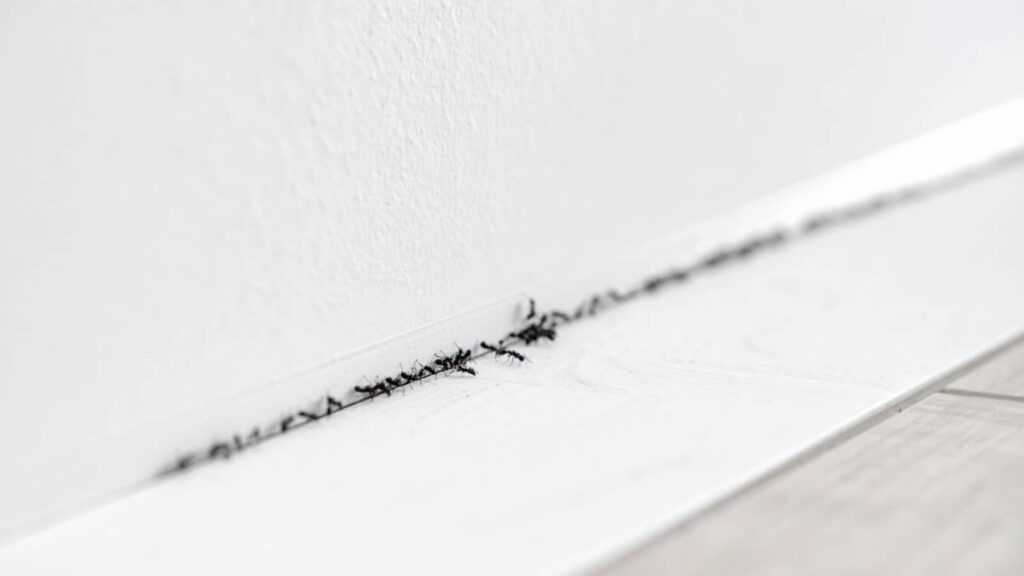
A few ants don’t always mean a major problem, but steady trails, repeated sightings in multiple rooms, or new nests indoors can signal a growing infestation.
Watch ant behavior closely so you can spot early detection, before the colony spreads and settles in with your household.
You keep seeing ants after cleaning food spills.
Trails reappear at the same entry points.
You find ants in kitchens, bathrooms, or bedrooms.
You notice dirt piles, winged ants, or wall void activity.
If these signs keep coming back, call an ant control pro.
You deserve a home that feels comfortable and shared space that stays yours.
Fast action helps protect your routines, limits damage, and keeps the problem from becoming a bigger part of your day.
DIY Efforts Keep Failing
When DIY ant control keeps falling short, it’s time to call an ant control pro. You’ve likely tried effective traps and natural repellents, but persistent trails often point to ant behavior you can’t fully read.
Common misconceptions suggest one spray solves everything, yet different ant species respond to seasonal habits and environmental factors in different ways. A pro helps you match treatment to the problem, so you stop wasting time and money.
They can also assess home landscaping issues that make your property inviting, like mulch, moisture, and easy entry paths. If you keep seeing activity after repeated efforts, trust the pattern and ask for help.
You’ll protect your home faster and feel confident you’re tackling the right problem.
Hidden Nests Need Treatment
Hidden nests can keep an ant problem alive even after surface trails disappear. You can clear counters and still miss the colony tucked in walls, mulch, or under slabs.
Use nest identification strategies to spot repeated traffic, fine soil, or tiny entry gaps. If you keep seeing ants indoors, it’s time to call a pro who knows effective treatment methods.
- Watch for ants returning after cleanup.
- Check moisture zones, baseboards, and exterior cracks.
- Mark trail locations so you can compare patterns.
- Schedule help when baits and sprays stop working.
A trained ant control pro can reach hidden nests fast, protect your home, and help you feel like you’re back on the same team as your space.
Avoid Mistakes That Invite Ants Back
Even after you’ve cleared out an ant problem, a few small mistakes can bring them right back. Watch your ant behavior cues: trails mean nearby food sources or moisture. Clean spills fast, seal crumbs, and store pantry items tightly.
Check nesting habits around baseboards, mulch, and leaks, then remove shelter and fix damp spots. Stay ahead of environmental factors and seasonal patterns by inspecting more often in warm, wet months.
Skip careless chemical repellents that only scatter ants; use them only as directed. Don’t leave attractant scents from trash, pet food, or sugary cleaners.
If pests return, compare pest competition in your yard and kitchen, then block every entry point. You’ve got this when you stay consistent and make your space less welcoming.
Frequently Asked Questions
Which Ant Species Are Hardest to Prevent Year-Round?
Trail-forming, sugar-loving ants like Argentine, odorous house, and pharaoh ants are hardest for you to prevent year-round because ant behavior keeps colonies moving indoors. Strong prevention strategies mean sealing gaps, cleaning spills, and baiting consistently.
Are Natural Ant Repellents Effective in All Seasons?
No—natural deterrents work like a light rain, not a storm. You’ll see seasonal effectiveness vary: use them best in spring and summer, but pair them with sealing, cleaning, and stored-food habits year-round.
How Often Should Ant Traps Be Replaced?
You should replace ant traps every 30 to 90 days, depending on ant trap longevity and your replacement schedule. Check them weekly, and swap them sooner if they’re full, dry, or no longer attracting ants.
Can Pets Be Exposed to Ant Prevention Products?
Yes—your pets can be exposed if you use ant prevention carelessly. For example, a curious dog licking bait can get sick. You should read product ingredients, protect pet safety, and keep pets away until surfaces dry.
Do Weather Changes Affect Ant Bait Performance?
Yes, weather changes can affect bait effectiveness, since ants’ seasonal behavior shifts with temperature and moisture. You’ll get better results by placing bait during active foraging, then renewing it after rain or heat.
Summary
Year-round ant prevention works when you stay consistent: seal cracks, store food tightly, wipe up spills, and fix leaks. Add baits to target the colony, and keep a protective barrier around your home outside. Why wait for ants to move in before you act? Check problem spots each season, and you’ll stop small issues before they grow. If ants keep returning, call a pro to find the source and treat it right.
Recent Posts
7 Tips for Springtail and Flour Beetle Control
Springtails and flour beetles often return because hidden moisture and tiny food spills keep feeding
5 Ways to Control Springtails and Red Flour Beetles
If you’re seeing springtails or red flour beetles, you need to act on both moisture
How to Control Springtails and Flour Beetles
If you’re dealing with springtails and flour beetles, you need to target both moisture and