
Contents
To effectively tackle pest infestations, you need a strategic plan to identify, prevent, and eliminate pests. Understanding common household invaders and their signs is vital. By implementing proactive measures now, you can safeguard your living space. But what specific steps should you take to ensure pests don’t become a persistent problem? Let’s explore the essentials of your home’s battle plan.
Key Takeaways
- Regularly inspect your home for signs of pest activity, such as droppings or nests, to catch infestations early.
- Seal cracks and gaps in your home’s foundation and roof to prevent pests from entering.
- Maintain your landscape by trimming bushes and keeping mulch away from the foundation to deter pests naturally.
- Use traps and bait strategically in active areas to effectively manage and reduce pest populations indoors.
- Consider hiring professional exterminators for tailored solutions if signs of infestation persist or health risks arise.
Understanding Common Household Pests
Have you ever wondered what types of pests might be lurking in your home? Understanding common household pests is essential for effective pest control.
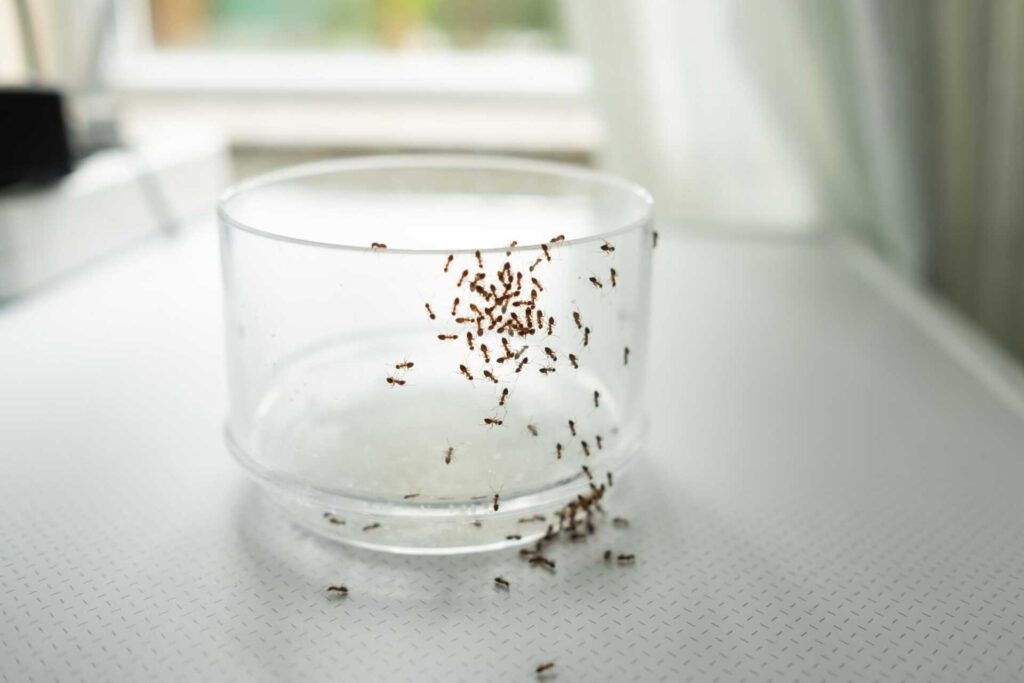
You’ll often encounter insects like ants, cockroaches, and termites, as well as rodents such as mice and rats. Each of these pest types exhibits distinct behaviors that can help you identify them.
For instance, ants follow pheromone trails, while cockroaches prefer dark, damp areas, often becoming active at night. Rodents, on the other hand, are notorious for gnawing on food packaging and wires, leaving droppings as evidence of their presence.
Recognizing these pest behaviors aids in identification and informs your prevention strategies. By familiarizing yourself with these characteristics, you’ll feel more empowered to maintain a pest-free environment, fostering a sense of belonging and comfort in your home.
Understanding these nuances is your first step in the battle against household pests.
Identifying Signs of Infestation
To effectively manage pest issues, you need to recognize the signs of infestation early.
Look for common indicators such as droppings, nests, or unusual noises that may signal pest activity.
Additionally, evaluating any visible damage to your property can help pinpoint the type and extent of the infestation.
Common Pest Indicators
When you notice unusual signs around your home, such as droppings, gnaw marks, or strange sounds, it could indicate a pest infestation.
Understanding pest biology can help you identify these common indicators. For instance, rodent droppings are often small, dark, and pellet-shaped, while insect droppings may appear as tiny grains.
Additionally, look for chewed wires or furniture, which can signal larger pests. Seasonal patterns also play a role; certain pests are more active during specific times of the year, so increased activity in spring or fall may warrant closer inspection.
Unusual Noises and Odors
How can you tell if pests have taken up residence in your home? Pay attention to unusual sounds and mysterious smells.
You might hear scratching, scurrying, or clicking noises, especially at night, which can indicate rodents or insects moving about. Additionally, if you detect sudden, strange odors—such as a musty, rancid, or chemical-like scent—this could signal an infestation.
For instance, a sweet, rotting smell might suggest a dead rodent, while a pungent, oily scent could indicate a cockroach presence. Recognizing these auditory and olfactory signs early on is vital to preventing a more significant pest problem.
Visible Damage Assessment
Visible damage serves as a clear indicator of pest infestations in your home. By identifying specific damage types, you can take effective assessment methods to address the issue promptly. Look for signs like chewed wood, droppings, or stained walls. Regular inspections will help you stay ahead of potential infestations.
| Damage Type | Signs to Look For |
|---|---|
| Wood Damage | Chewed or hollowed areas |
| Fabric Damage | Torn upholstery or clothing |
| Structural Damage | Cracks or sagging ceilings |
| Electrical Damage | Frayed wires or scorch marks |
| Food Contamination | Stale or damaged food items |
Utilizing this table, you can quickly reference visible damage and respond effectively, ensuring your home remains pest-free and comfortable.
Preventative Measures to Keep Pests at Bay
To effectively keep pests at bay, implementing preventative measures is essential for maintaining a pest-free home environment.
Start with regular maintenance; verify your home’s exterior is in good condition by sealing cracks and gaps where pests could enter. Regular inspections of your foundation and roof can prevent infestations before they start.
Landscape management plays a critical role too. Trim overgrown bushes and trees that could provide shelter for unwanted pests.
Keep mulch and compost piles at least a foot away from your home, as these can attract insects. Additionally, consider using pest-resistant plants in your garden to deter pests naturally.
Effective Indoor Extermination Techniques
While preventative measures are essential for keeping pests at bay, effective indoor extermination techniques become necessary when pests invade your living space.
You can employ trap techniques to target specific pests. For instance, using snap traps for rodents or glue boards for insects can help you monitor and reduce their populations efficiently.
In addition, bait strategies are critical for eliminating infestations. Place bait stations in areas where you’ve noticed pest activity, ensuring they’re out of reach of children and pets.
Choose baits that attract the specific pest you’re dealing with, as this will increase the likelihood of successful extermination.
Regularly check and replace the traps and baits to maintain effectiveness. Always follow product instructions closely for safe and ideal results.
Safe and Natural Pest Control Solutions
How can you effectively manage pests without relying on harsh chemicals? You can turn to safe and natural pest control solutions that protect your home and the environment. Utilizing natural repellents and organic pesticides can be an effective method to deter unwanted guests.
Here’s a quick comparison of some options:
| Method | Benefits |
|---|---|
| Essential Oils | Acts as a natural repellent |
| Diatomaceous Earth | Non-toxic and effective against insects |
| Neem Oil | Disrupts pest life cycles |
| Vinegar | A simple solution for ants |
When to Call Professional Exterminators
If you notice signs of infestation, such as droppings or nesting materials, it’s essential to act quickly.
Pests can pose significant health risks, spreading diseases and allergens in your home.
Knowing when to call professional exterminators can protect your family’s health and ensure effective removal.
Signs of Infestation
Recognizing the signs of infestation is essential for maintaining a pest-free home. Different infestation types can exhibit various pest behaviors, and identifying these early can save you time and money.
Here are some key indicators to watch for:
- Unexplained droppings or urine stains
- Chewed wires, furniture, or food packaging
- Unpleasant odors or unusual sounds
- Nesting materials like shredded paper or fabric
- Increased sightings of pests, especially at night
If you notice any of these signs, it’s time to call in professional exterminators.
They can effectively assess the situation and implement solutions tailored to your specific infestation type, ensuring your home remains a safe and welcoming space.
Don’t wait until it’s too late!
Health Risks Involved
While many pests may seem harmless, they can pose significant health risks to you and your family. Rodents, cockroaches, and mosquitoes are notorious for their role in disease transmission.
For instance, rodents can carry harmful bacteria that lead to foodborne illnesses, while cockroaches are linked to asthma and allergies. Mosquitoes, on the other hand, can transmit diseases like West Nile virus and Zika.
Understanding pest health is essential; if you notice increased allergy symptoms, unexplained illnesses, or a surge in pest sightings, it’s time to act.
Don’t hesitate to call professional exterminators who can assess your situation and implement effective solutions. Protect your home and your loved ones from these hidden dangers before they escalate into serious health concerns.
Review
In your quest to maintain a serene and inviting home, staying vigilant against pests is key. By recognizing the subtle signs of unwelcome guests and employing smart preventative strategies, you can keep your living space comfortable. When DIY methods no longer suffice, don’t hesitate to seek out professional help. With the right approach, you’ll reclaim your home and create a haven where you and your family can thrive, free from pesky intruders.
Recent Posts
Eliminate Earwigs From Your Garden Easily
If you’re dealing with earwigs in your garden, you’re not alone. These pests can wreak
Top Solutions for Indian Meal Moth Infestations
The pantry can be a battleground against the silent invader known as the Indian meal
What Are Top Treatments for Indian Meal Moths?
When it comes to managing the unwelcome presence of Indian meal moths, you’ll find that