
Contents
Imagine waking up to find tiny droppings in your kitchen or a flea jumping on your pet. These signs indicate that pests might be taking over your home. It’s vital to address these issues promptly to protect your living environment. By understanding common household pests and implementing effective prevention strategies, you can keep your space safe and comfortable. But what steps should you take to ensure these unwanted visitors don’t return?
Key Takeaways
- Regularly inspect and seal entry points to prevent pests from accessing your home.
- Keep your living space clean and clutter-free to eliminate hiding spots for pests.
- Store food in airtight containers and promptly dispose of waste to minimize attractants.
- Monitor for signs of infestations, such as droppings or nests, to catch issues early.
- Consider professional pest control services for targeted solutions and ongoing maintenance.
Understanding the Importance of Pest Control
When you consider the comfort and safety of your home, understanding the importance of pest control becomes essential.
Effective pest management strategies can protect your living space from health risks and structural damage caused by unwanted invaders. Implementing these strategies improves your home’s hygiene and enhances your overall quality of life.
You’ll find numerous pest control benefits, including reduced allergy triggers, prevention of disease transmission, and safeguarding your property’s integrity.
Regular inspections and treatments can identify potential issues before they escalate, saving you time and money in the long run.
Identifying Common Household Pests
Effective pest management hinges on the ability to identify common household pests that may invade your home. Start by employing various pest identification techniques, such as visual inspections and monitoring traps.
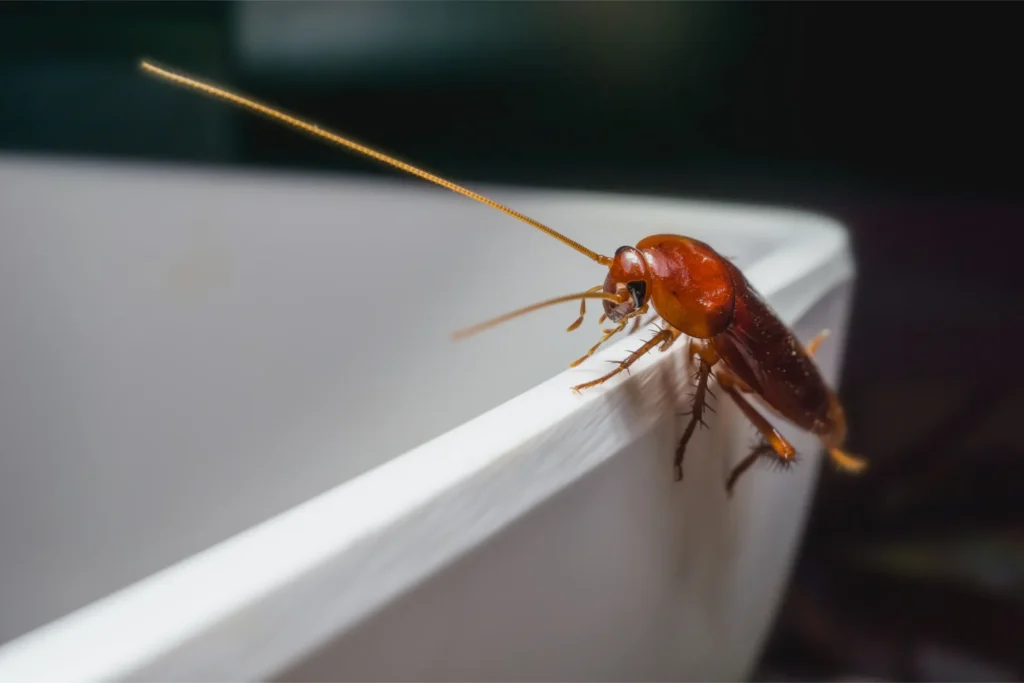
Look for signs like droppings, nests, and damage to structures or food. Understanding common pest behaviors is vital; for example, ants often travel in trails, while cockroaches prefer dark, moist areas.
Familiarize yourself with the characteristics of pests like termites, which damage wood, or rodents, which can gnaw through wires and insulation.
Regularly check for entry points, as many pests can squeeze through tiny gaps. By sharpening your skills in identifying these nuisances, you’ll protect your home and foster a sense of community by sharing knowledge with neighbors.
Signs of Rodent Infestation
How can you tell if you have a rodent infestation? Look for signs that indicate rodent behavior in your home. One of the most noticeable indicators is droppings identification; you may find small, dark droppings in areas like the kitchen, pantry, or near entry points. These droppings are typically around the size of a grain of rice and can be a clear sign that rodents are present.
Additionally, listen for unusual noises at night, such as scratching or squeaking, which often signal activity in walls or ceilings.
You might also notice gnaw marks on food packaging or furniture, as rodents constantly chew to keep their teeth from growing too long.
Finally, check for greasy smudges along baseboards or walls, where rodents travel frequently. Identifying these signs early can help you take action and protect your home from further invasion.
Effective Flea Treatment Solutions
When it comes to tackling a flea problem, you’ve got several options.
Natural remedies can provide a safe, chemical-free approach, while professional extermination services offer targeted solutions for severe infestations.
Understanding both methods will help you choose the best strategy for your home.
Natural Remedies for Fleas
Fleas can be a persistent nuisance in your home, but several natural remedies offer effective solutions for managing these pests.
One of the best natural flea repellents includes diatomaceous earth; simply sprinkle it in areas where fleas frequent, and it’ll dehydrate and kill them.
Additionally, essential oil solutions like lavender, peppermint, and cedarwood can deter fleas when diluted and sprayed around your home.
You can also create a flea trap by mixing soapy water with a light source to attract and capture these pests.
Regularly washing your pet’s bedding with hot water and vacuuming your home will further reduce flea populations.
These methods provide a holistic approach, letting you reclaim your space from these unwanted invaders.
Professional Extermination Options
If you’ve tried natural remedies without success, it might be time to contemplate professional extermination options for effective flea treatment.
Professional pest management techniques offer targeted solutions that effectively eliminate fleas from your home. Technicians utilize advanced insecticides and methodologies tailored to your specific infestation, ensuring thorough treatment.
While extermination costs can vary based on the severity of the problem and the size of your home, investing in professional help often saves you money in the long run by preventing further infestations.
Additionally, many pest control companies provide follow-up services to ensure lasting results. By opting for expert assistance, you can reclaim your space from fleas and enjoy a pest-free environment with confidence.
Preventative Measures for Rodents
Rodents can invade your home quickly, but you can take several effective preventative measures to keep them at bay. Understanding rodent behavior is essential for successful management. Start by sealing entry points like cracks and gaps in walls. Regularly inspect your home for signs of infestation.
Utilize proper bait placement to attract and trap rodents effectively. Here’s a quick reference table to guide you:
| Action | Description | Frequency |
|---|---|---|
| Seal Entry Points | Close gaps and holes with caulk | Monthly |
| Store Food Properly | Use airtight containers | Ongoing |
| Clean Regularly | Remove crumbs and debris | Daily |
| Inspect Attics/Basements | Check for droppings and nests | Weekly |
Comprehensive Flea Removal Strategies
Keeping your home free from pests goes beyond just managing rodents; fleas can also pose a significant threat to your comfort and health.
To effectively tackle a flea infestation, you need to understand the flea life cycle. Fleas reproduce rapidly, so tackling adult fleas alone won’t solve the problem. You must also address eggs and larvae, which can hide in carpets, upholstery, and pet bedding.
Start with thorough vacuuming to remove fleas and their eggs. Dispose of the vacuum bag outside immediately.
Wash all pet bedding and any removable fabric in hot water to kill hidden fleas. For flea prevention, consider using flea treatments on your pets and applying insect growth regulators in infested areas.
Regular grooming can help detect fleas early, preventing a full-blown infestation. By staying proactive and understanding the flea life cycle, you’ll keep your home comfortable and pest-free.
Professional Pest Control Services
When you face a persistent pest problem, hiring professional pest control services can be a game-changer. These experts bring specialized knowledge and tools to tackle infestations effectively, ensuring your home is pest-free.
One of the key pest control benefits is their ability to identify the root cause of the issue, allowing for targeted treatments that prevent future outbreaks.
Through expert consultations, you’ll gain valuable insights into pest behavior and prevention strategies tailored to your specific situation. This personalized approach resolves your current issues and empowers you with the knowledge to maintain a pest-free environment.
Furthermore, professional services often use environmentally safe products, ensuring your home remains a healthy space for you and your family.
DIY Pest Control Tips
How can you effectively manage pest issues without professional help? You can start by creating DIY traps tailored to the specific pests invading your home. For example, use a simple mixture of sugar and water in a jar to catch fruit flies. Just make sure to place it where they gather.
Next, consider using eco-friendly sprays made from natural ingredients like vinegar, essential oils, or citrus juice. These sprays can deter ants and spiders without harmful chemicals, ensuring a safer environment for your family and pets.
Regularly check for entry points around windows and doors, sealing any gaps to prevent pests from getting in.
Keep your kitchen clean and free of food debris, as this attracts unwanted visitors.
By implementing these DIY pest control tips, you’ll create a welcoming and pest-free home.
Maintaining a Pest-Free Home Environment
To maintain a pest-free home environment, you’ll need to implement regular cleaning practices that eliminate food sources and hiding spots for pests.
Additionally, sealing entry points around windows, doors, and foundations is essential in preventing infestations.
Regular Cleaning Practices
While regular cleaning might seem like a mundane chore, it plays an essential role in maintaining a pest-free home environment.
Establishing consistent cleaning schedules helps you target pest hotspots, such as kitchens and bathrooms, where crumbs and moisture attract unwanted guests. Regularly wipe down surfaces, sweep floors, and vacuum carpets to eliminate food residues and nesting materials.
Don’t forget to declutter areas where pests can hide, like under furniture or in storage spaces. Keep your garbage sealed and dispose of it promptly to prevent attracting pests.
Seal Entry Points
Even with regular cleaning, pests can still find their way into your home if entry points aren’t adequately sealed.
Conducting an entry point inspection is essential in maintaining a pest-free environment. Here are some effective sealing techniques you can implement:
- Inspect windows and doors for gaps or cracks.
- Use caulk to seal any openings in walls or foundations.
- Install door sweeps to block entry underneath doors.
- Ensure vents and chimneys have proper screens.
Wrap-Up
In the battle against pests, vigilance is your shield and preparation your sword. By recognizing the signs of infestations and implementing proactive measures, you can fortify your home against unwelcome invaders. Whether employing DIY techniques or calling in professional reinforcements, a pest-free environment is within your grasp. Stay ahead of the curve, and you’ll ensure your living space remains a sanctuary, free from the dangers and discomfort that pests can bring. Protect your haven; the peace of mind is worth it.
Recent Posts
Why Treat Indian Meal Moths in Your Home?
If you’ve noticed tiny moths fluttering around your kitchen or found webbing in your food,
Top Spider Control Techniques for Your Home
When it comes to keeping spiders out of your home, understanding their behavior is vital.
3 Best Spider Control Methods for Homes
You might not realize that some common household items can effectively repel spiders. By utilizing