
Contents
Have you ever wondered how you can tackle indoor pests without draining your wallet? Budget-friendly pest control solutions are effective and easy to implement. From natural remedies to simple DIY traps, there are plenty of options at your disposal. Understanding these methods can help you maintain a pest-free home while keeping costs low. Let’s explore some practical strategies you can start using today.
Key Takeaways
- Regular cleaning removes food sources and hiding spots, crucial for budget-friendly pest prevention.
- Use airtight containers for food storage to deter pests effectively and economically.
- Mix baking soda with water to create an ant deterrent paste for minimal costs.
- Utilize vinegar as a natural spray solution to eliminate food residues that attract roaches.
- Consider DIY traps like bucket traps or cardboard tube traps for cost-effective rodent management.
Understanding the Importance of Indoor Pest Control
Indoor pest control is essential for maintaining a healthy and comfortable living environment. Understanding pest behavior is significant because it helps you anticipate and eliminate problems before they escalate.
Pests like rodents and insects can invade your space, bringing with them various health risks such as allergies, asthma, and even disease transmission.
Recognizing the importance of controlling these pests isn’t just about comfort; it’s about protecting your family’s well-being. If you notice signs of infestation, don’t ignore them.
Instead, take proactive measures to manage pest populations effectively. Simple steps like keeping food sealed, maintaining cleanliness, and sealing entry points can deter pests from making your home theirs.
Identifying Common Indoor Pests
To effectively manage indoor pests, you first need to identify which ones are invading your space.
Look for signs of infestation, like droppings, damage to food, or unusual noises, that can help pinpoint the problem.
Once you know what pests you’re dealing with, you can implement targeted prevention techniques to keep your home pest-free.
Common Indoor Pests
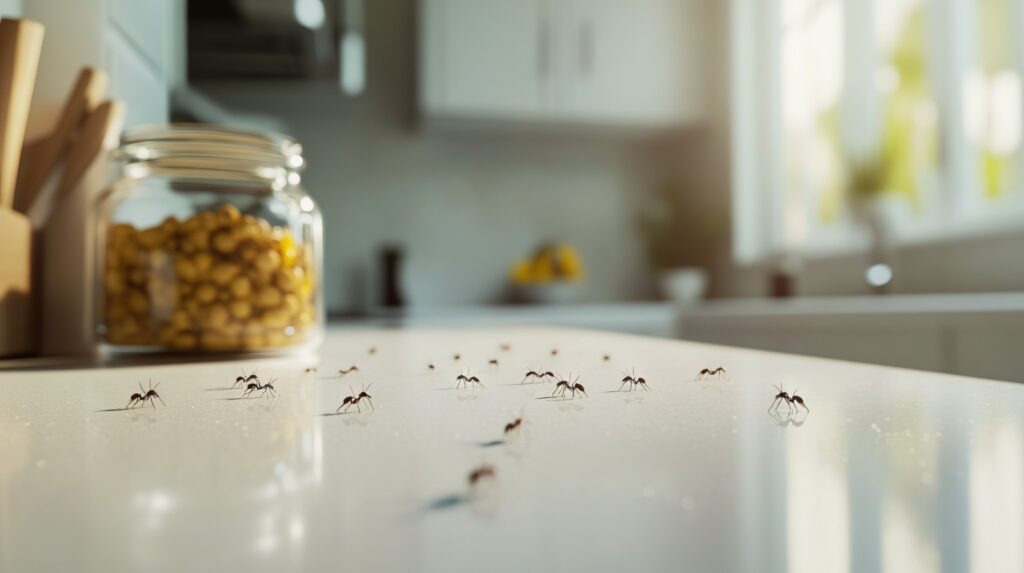
Pests can invade your home unexpectedly, turning a cozy space into a source of frustration. Common indoor pests include ants, roaches, spiders, and rodents.
Understanding their pest behavior is essential; for instance, ants often follow scent trails, while cockroaches are nocturnal, hiding during the day. Familiarizing yourself with their pest lifecycle helps you identify when they’re most active and vulnerable.
Ants reproduce quickly, so a small problem can escalate if not addressed promptly. Spiders might indicate a larger insect problem, as they thrive on other pests.
Signs of Infestation
Recognizing the signs of an infestation can save you time and money, especially when dealing with common indoor invaders.
Look for droppings, gnaw marks, or nests, as these are clear signs of rodents. Other signs include strange noises in your walls or ceilings, which often indicate rodent activity.
Utilize effective pest detection methods, like setting up traps or monitoring for food remnants, to confirm your suspicions. You might also notice chewed wires or insulation, which can lead to further issues if not addressed.
Keeping an eye out for these indicators helps you act quickly, ensuring your home stays pest-free and comfortable for you and your loved ones.
Don’t ignore these signs; they’re essential for successful pest management.
Prevention Techniques
While you may not realize it, identifying common indoor pests is the first step in effective prevention.
By understanding what you’re dealing with, you can take targeted actions that keep your home pest-free.
Here are three practical techniques to help you out:
Regular Cleaning: Keep surfaces, floors, and hidden corners tidy to eliminate food sources and hiding spots for pests.
Sealing Cracks: Inspect your home for gaps around windows, doors, and pipes. Sealing these cracks can prevent pests from entering.
Proper Food Storage: Store food in airtight containers to deter pests looking for a snack.
Natural Remedies for Flea Control
If you’re looking for effective yet budget-friendly ways to tackle flea problems, natural remedies can be a great option.
Essential oils like lavender and peppermint repel fleas while leaving your home smelling fresh.
Additionally, diatomaceous earth can safely eliminate fleas by dehydrating them, making it a practical choice for indoor use.
Essential Oils for Fleas
When it comes to tackling flea infestations, essential oils offer a natural and budget-friendly solution you mightn’t have considered.
These potent flea repellents can help protect your home and pets without breaking the bank. Here are three effective essential oil blends you can try:
Lavender and Peppermint: Mix equal parts of these oils in a spray bottle with water. Spray around your home, focusing on carpets and pet areas.
Eucalyptus and Lemon: Combine these oils for a revitalizing scent that repels fleas. Use it in your laundry for pet bedding.
Tea Tree Oil: Known for its strong properties, dilute with a carrier oil and apply to your pet’s fur (avoid if they’re sensitive).
These simple solutions can create a flea-free environment for you and your loved ones.
Diatomaceous Earth Benefits
Diatomaceous earth (DE) is a powerful, all-natural remedy that can effectively combat flea infestations in your home. This fine powder, made from crushed fossilized algae, is affordable and easy to use. You can sprinkle it in areas where fleas are likely to hide, like carpets and pet bedding.
Here’s a quick overview of its benefits:
| Diatomaceous Earth Uses | Diatomaceous Earth Safety |
|---|---|
| Kills fleas on contact | Non-toxic to pets and humans |
| Absorbs moisture | Avoid inhalation |
| Deters further infestations | Safe for indoor use |
| Enhances soil quality | Food-grade options available |
| Eco-friendly pest control | Check for allergies |
With its numerous benefits, DE is a great choice for those seeking a natural and safe flea control solution.
DIY Traps for Rodent Management
Rodents can quickly turn a cozy home into a source of frustration, but crafting your own traps offers an effective and economical solution.
With a few simple materials, you can create traps that help keep your space rodent-free. Here are three practical trap designs you can try:
Bucket Trap: Fill a bucket halfway with water, add a ramp leading up to the edge, and place homemade bait like peanut butter on a popsicle stick balanced across the rim. When the rodent tries to reach the bait, it falls in.
Cardboard Tube Trap: Place a cardboard tube on a counter’s edge with homemade bait at the end. The rodent will enter the tube for the bait, then drop down into a container below.
Snap Trap Upgrade: Use a standard snap trap and enhance it with homemade bait. Secure the bait firmly to ensure a higher catch rate.
These DIY traps are cost-effective and a fun project to tackle!
Essential Oils as Pest Deterrents
After tackling rodent issues with DIY traps, consider using essential oils as natural pest deterrents. These oils, derived from plants, smell great and serve as effective pest repellents.
For instance, peppermint oil is known to repel ants and spiders, while lavender oil can deter moths and flies. Simply mix a few drops of your chosen essential oil with water in a spray bottle. Spray areas where pests tend to gather, like corners or windowsills.
You can also soak cotton balls in essential oils and place them in strategic spots around your home. This method keeps pesky insects at bay while adding a pleasant aroma.
Plus, using essential oils is budget-friendly and eco-friendly, making you feel good about your choice. With these simple tips, you can create a pest-free environment that feels welcoming and comfortable for everyone in your home.
Utilizing Baking Soda for Pest Control
If you’re looking for an effective and affordable way to tackle household pests, consider utilizing baking soda as a versatile pest control agent. This common household item offers numerous baking soda benefits and aids in pest elimination.
Here’s how you can use it:
Cockroach Bait: Mix equal parts of baking soda and sugar, placing it in areas where you’ve spotted roaches. The sugar attracts them, while the baking soda works to eliminate them.
Bed Bug Treatment: Sprinkle baking soda in areas where you’ve seen bed bugs. It can help dehydrate and kill them over time.
Ant Deterrent: Create a barrier by mixing baking soda with water to form a paste. Apply it around entry points to deter ants.
With these simple methods, you can embrace a budget-friendly solution for a pest-free home.
Vinegar Solutions for Ant and Roach Issues
While many people turn to chemical solutions for pest problems, vinegar offers a natural and budget-friendly alternative to tackle ant and roach issues effectively. The vinegar effectiveness lies in its strong scent, which disrupts the communication among ants and drives roaches away.
To create a simple ant repellent, mix equal parts of vinegar and water in a spray bottle. Spray this solution along entry points, such as windowsills and doorways, where you notice these pests.
For roaches, you can also use vinegar to clean surfaces. Wipe down counters and floors with a vinegar solution to eliminate food residue and deter them from returning. Additionally, placing bowls of vinegar around infested areas can further repel these unwanted guests.
Preventative Measures to Avoid Infestations
To prevent infestations, it’s vital to adopt proactive measures that keep pests at bay before they even have a chance to invade your home.
By incorporating simple yet effective strategies into your home maintenance routine, you can create a pest-free environment.
Here are three essential tips:
Seal Entry Points: Inspect your home for cracks and gaps. Seal any openings around windows, doors, and pipes to block pests from entering.
Regular Seasonal Cleaning: Schedule deep cleaning sessions throughout the year. Pay special attention to hidden areas like under appliances and in storage spaces to eliminate food sources and nesting sites.
Proper Food Storage: Store food in airtight containers and promptly clean up spills and crumbs. This prevents attracting pests and contributes to a healthier home.
When to Seek Professional Help
Even with the best preventative measures in place, there may be times when pest problems escalate beyond what you can handle on your own. Recognizing when to call in professionals can save you time, money, and stress.
Look for signs needing professionals, such as a sudden surge in pest activity, persistent infestations despite your efforts, or signs of damage to your home. If you notice droppings, unusual odors, or nests that keep multiplying, these are red flags.
Additionally, if pests pose health risks, like rodents or termites, it’s essential to act fast. Professionals have the tools and expertise to tackle these issues safely and effectively.
Don’t hesitate to reach out for help when your DIY efforts fall short. Remember, seeking professional assistance isn’t a failure; it’s a smart choice for your home and peace of mind.
Your well-being and comfort matter, so prioritize them by knowing when to get the experts involved.
Wrap-Up
Incorporating these budget-friendly pest control solutions into your routine can transform your home into a fortress against unwanted invaders. By using natural remedies and preventative measures, you can keep your living space pest-free without emptying your wallet. Remember, a clean and well-maintained home is your best defense—it’s like having an impenetrable shield! Don’t hesitate to seek professional help if infestations get out of hand; sometimes, a little extra support goes a long way in protecting your sanctuary.
Recent Posts
What Are Top Treatments for Indian Meal Moths?
When it comes to managing the unwelcome presence of Indian meal moths, you’ll find that
Why Treat Indian Meal Moths in Your Home?
If you’ve noticed tiny moths fluttering around your kitchen or found webbing in your food,
Top Spider Control Techniques for Your Home
When it comes to keeping spiders out of your home, understanding their behavior is vital.