
Contents
When dealing with mice and fleas, considering eco-friendly solutions is essential for maintaining a healthy home environment. Traditional methods often involve harmful chemicals that can affect both your family and pets. Instead, you can explore natural repellents, homemade traps, and other sustainable practices that minimize ecological impact. Understanding these alternatives could transform your pest control approach, but you may wonder which methods are most effective and safe for your unique situation.
Key Takeaways
- Use essential oils like peppermint and eucalyptus as natural repellents against both mice and fleas by applying them in sprays or diffusers.
- Construct homemade mouse traps using cardboard and natural bait, such as peanut butter, to effectively manage mouse populations sustainably.
- Apply food-grade diatomaceous earth in areas prone to fleas, as its sharp particles dehydrate and kill fleas without harming pets or humans.
- Maintain a clean environment by vacuuming regularly and organizing belongings to minimize pest hiding spots and food sources.
- Choose eco-friendly pest control services that prioritize natural methods and sustainable practices for long-term pest management solutions.
Understanding the Problem: Mice and Fleas in Your Home
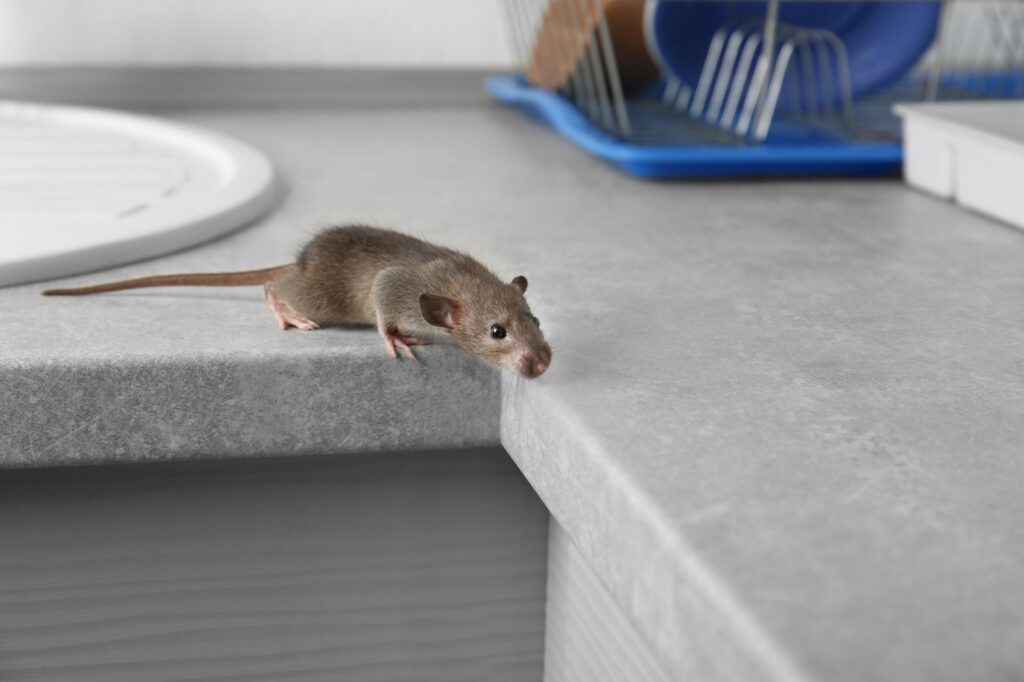
When you notice signs of mice or fleas in your home, it’s crucial to understand the implications of these infestations. Mice exhibit unique behaviors, such as nesting in hidden areas and scavenging for food, which can lead to significant property damage and health risks. They reproduce quickly, making it essential to address the problem as soon as you detect their presence.
Fleas, on the other hand, have a complex life cycle that includes eggs, larvae, pupae, and adults. Each stage can persist in your home, creating a persistent challenge. Adult fleas can bite and irritate your pets and family, potentially transmitting diseases.
Recognizing these pests and their behaviors helps you take informed action. Understanding their life cycles equips you with the knowledge to break the infestation cycle effectively.
Essential Oils: Nature’s Pest Repellent
Essential oils offer a natural and effective solution for repelling pests like mice and fleas.
You can utilize specific oils such as peppermint or lavender, each with unique properties that deter these unwelcome guests.
Understanding the best application methods is vital for maximizing their effectiveness in your home.
Effective Essential Oils
While you might be seeking natural alternatives to chemical pest control, effective essential oils can serve as potent repellents against mice and fleas. Certain oils, like peppermint, eucalyptus, and lavender, have strong scent profiles that disrupt the sensory receptors of these pests, making your space less inviting.
When combining oils, such as mixing tea tree with citrus oils, you can enhance their effectiveness while creating a pleasant aroma. The right oil combinations repel pests and contribute to a revitalizing environment.
Understanding how different scent profiles interact can lead to more efficient pest control solutions, allowing you to foster a home that feels safe and welcoming, free from unwanted critters. Embrace these natural alternatives for peace of mind.
Application Methods Explained
To effectively utilize essential oils as natural pest repellents, you can employ several application methods tailored to your needs.
One effective application technique is creating a spray solution by mixing essential oils like peppermint or lavender with water in a spray bottle. This allows for targeted pest control in areas where you’ve noticed mice or fleas.
Another approach is using cotton balls soaked in essential oils, placing them strategically around your home to deter pests naturally.
Additionally, consider diffusing essential oils in your living spaces, creating an atmosphere that repels unwanted insects.
Homemade Traps for Mice Control
Creating homemade traps for mice control can be an effective and eco-friendly approach.
You can easily construct a simple DIY mouse trap using common household items, making it both cost-effective and sustainable.
Additionally, choosing natural bait options can enhance your trap’s effectiveness while remaining safe for your environment.
Simple DIY Mouse Trap
A simple DIY mouse trap can effectively help you manage a mouse problem without resorting to harmful chemicals or commercial traps.
Using homemade materials like a cardboard box and a small container can create a highly effective trap. Start by cutting a hole in the box, ensuring it’s just large enough for a mouse to enter. Place the container inside, angled to catch the mouse when it enters.
The trap’s effectiveness relies on its design and placement; position it near mouse activity areas for best results. By opting for this eco-friendly solution, you protect your home and contribute to a safer environment.
Everyone can pitch in, making sustainable choices that foster a sense of community around pest control.
Natural Bait Options
After setting up your DIY mouse trap, the next step is selecting the right bait to increase its effectiveness.
You’ll want to choose natural bait that appeals to mice while aligning with your eco-friendly values. Organic options like peanut butter, sunflower seeds, or even small pieces of fruit can attract these pests without introducing harmful chemicals into your home.
Consider mixing different types of bait to see what works best for your situation. For instance, pairing peanut butter with a sprinkle of oatmeal can create an irresistible combination.
Diatomaceous Earth: A Natural Solution for Fleas
When dealing with flea infestations, diatomaceous earth (DE) emerges as a powerful, natural remedy. This fine powder, derived from fossilized algae, offers numerous diatomaceous benefits in your quest for flea prevention. Its sharp microscopic particles can pierce the exoskeletons of fleas, leading to dehydration and eventual death.
To use DE effectively, sprinkle it in areas where fleas are likely to hide, such as carpets, bedding, and pet areas. Make certain to choose food-grade diatomaceous earth to ensure safety for both pets and humans.
Regular application can enhance your flea prevention strategy, reducing the likelihood of reinfestation.
Beneficial Predators: Introducing Natural Enemies
In addition to using diatomaceous earth for flea control, consider the role of beneficial predators in your pest management strategy. Introducing natural predators can help you maintain balance in your environment, reducing the need for chemical treatments. Beneficial insects like ladybugs and lacewings can prey on smaller pests, while certain nematodes target fleas in their larval stage.
| Beneficial Predator | Target Pest | Benefits |
|---|---|---|
| Ladybug | Aphids | Reduces aphid population |
| Lacewing | Thrips | Controls plant pests |
| Nematodes | Fleas | Disrupts flea lifecycle |
Herbal Remedies: Plant-Based Solutions for Pests
When combating pests like mice and fleas, essential oils can serve as effective natural repellents.
You can also create natural traps and baits using plant-based ingredients, which address the problem and minimize environmental impact.
Exploring these herbal remedies offers a sustainable approach to pest control that aligns with eco-friendly practices.
Essential Oils for Repellents
Essential oils have gained popularity as effective, natural repellents for pests like mice and fleas, offering a plant-based alternative to conventional chemical solutions.
When you explore essential oil blends, consider those with strong pest deterrent properties such as peppermint, eucalyptus, and lavender. These oils repel unwanted critters and provide a pleasant aroma for your home.
To create your own repellent, mix a few drops of your chosen oils with water in a spray bottle and apply to problem areas. Regular application can enhance their effectiveness, making your living space less inviting for pests.
Natural Traps and Baits
How can you effectively use natural traps and baits to manage mice and fleas?
Start by creating traps that utilize common household ingredients. For mice, combine peanut butter with a bit of baking soda; it serves as an effective natural mouse deterrent. Place this mixture in a container to prevent easy access.
For fleas, consider using flea repellent plants, like lavender or rosemary, to create a barrier around your home. You can also craft a simple trap using soapy water to attract and drown adult fleas.
Cleaning and Decluttering: Preventing Infestations
Cleaning and decluttering your living space enhances its aesthetic appeal and plays an essential role in preventing infestations of mice and fleas.
By implementing effective cleaning strategies, you can greatly reduce the likelihood of these pests finding a home in your environment. Start by vacuuming regularly, paying special attention to corners, carpets, and under furniture where debris often accumulates.
Incorporate decluttering tips such as organizing your belongings and removing unnecessary items that can create hiding spots for pests.
Store food in airtight containers and dispose of garbage promptly to eliminate potential food sources. Consider donating items you no longer use; this helps you declutter and fosters a sense of community.
Sealing Entry Points: Fortifying Your Home Against Mice
Though it might seem impossible to keep mice out of your home entirely, sealing entry points can greatly reduce their chances of sneaking in.
Implementing effective entry point strategies is essential for maintaining a mouse-free environment. Start by inspecting your home for gaps and holes, particularly around doors, windows, and the foundation.
Use durable materials like steel wool or caulk as sealing techniques to block these openings. Pay attention to utility lines and vents, as these are often overlooked but can serve as easy access routes.
Additionally, consider installing door sweeps and weather stripping to enhance your defenses.
Natural Flea Baths: Safe Solutions for Pets
Natural flea baths offer a gentle yet effective way to keep your pets free from pesky fleas without resorting to harsh chemicals. By using natural bath recipes, you can create a soothing experience for your furry friends while tackling flea infestations.
For instance, a simple mixture of warm water, apple cider vinegar, and a few drops of essential oils like lavender can help repel fleas.
When preparing a natural flea bath, always follow pet safety tips. Test any new ingredients on a small area of your pet’s skin to verify there’s no adverse reaction. Additionally, avoid using essential oils that are toxic to pets, such as tea tree oil.
Regular bathing combined with brushing can enhance the effectiveness of your natural flea baths, promoting a flea-free environment.
With these eco-friendly solutions, you can foster a sense of belonging and care for your pets, keeping them healthy and happy.
Eco-Friendly Professional Services: What to Look For
When combating infestations, sometimes it’s best to enlist professional help, especially for persistent problems like mice and fleas.
When you’re looking for eco-friendly services, start by checking their eco-friendly certifications. This ensures they adhere to industry standards that prioritize environmental safety.
Next, examine their pest control ethics; a reputable service should use non-toxic methods that protect both your home and local wildlife.
Ask about their strategies—do they focus on prevention and long-term solutions instead of quick fixes?
Inquire about the types of products they use, ensuring they’re natural and sustainable. A good company will be transparent about their processes and willing to answer your concerns.
Finally, read reviews or seek recommendations from your community. Choosing a service that aligns with your values helps you regain control of your space and fosters a sense of belonging in an eco-conscious community.
Final Thoughts
By embracing eco-friendly solutions for mice and fleas, you’re not just protecting your home; you’re also becoming a modern-day guardian of the environment. Like a wise old sage, you wield essential oils and natural traps to keep pests at bay without causing harm. Remember, prevention is your best ally—seal those entry points and declutter your space. In doing so, you maintain a harmonious living space, reminiscent of nature’s balance, while ensuring a safe haven for your family and pets.
Recent Posts
What Are Top Treatments for Indian Meal Moths?
When it comes to managing the unwelcome presence of Indian meal moths, you’ll find that
Why Treat Indian Meal Moths in Your Home?
If you’ve noticed tiny moths fluttering around your kitchen or found webbing in your food,
Top Spider Control Techniques for Your Home
When it comes to keeping spiders out of your home, understanding their behavior is vital.