
Contents
When dealing with indoor pest control problems, it’s crucial to explore cost-effective solutions that won’t strain your budget. Understanding the types of pests you might encounter and employing natural remedies can make a significant difference. From simple traps to preventative measures, there are numerous strategies to maintain a pest-free home. As we examine these options, you’ll discover practical methods that fit your needs and lifestyle.
Key Takeaways
- Use sticky traps to monitor pest activity and identify infestations without high costs.
- Implement natural remedies like essential oils and diatomaceous earth for chemical-free pest control.
- Seal entry points around your home to prevent pests from entering, reducing the need for extermination.
- Maintain cleanliness in kitchens and dining areas to deter pests, which is a low-cost preventive measure.
- Conduct regular visual inspections and seasonal checks to catch pest problems early and minimize expenses.
Understanding Common Indoor Pests
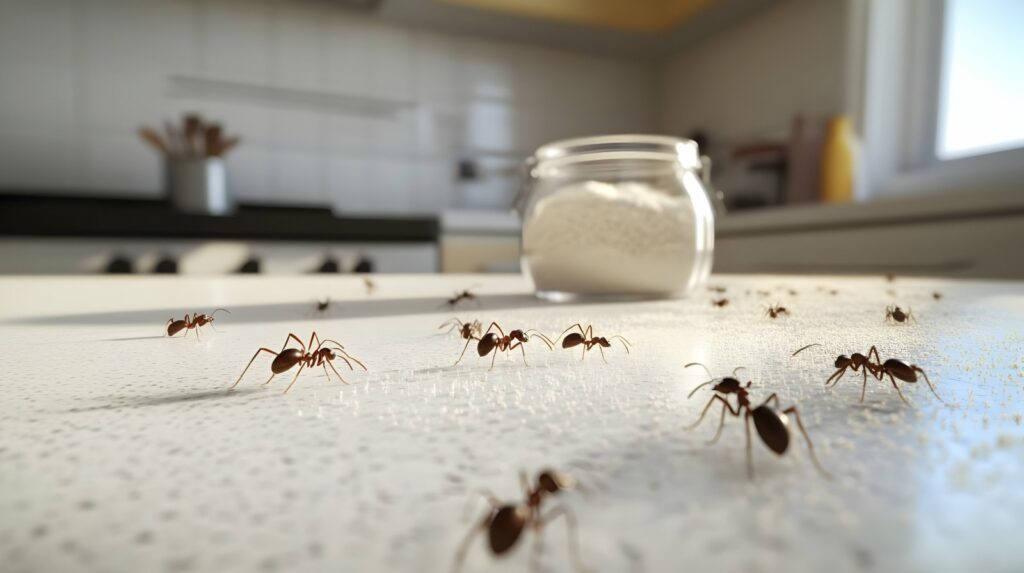
When you encounter common indoor pests, understanding their behavior and habits is essential for effective management. Identifying these pests accurately is the first step in addressing an infestation. Common indoor pests include cockroaches, ants, and rodents, each exhibiting specific behaviors that can help you determine their presence.
For example, cockroaches prefer dark, warm spaces, while ants follow scent trails to food sources.
Employing pest identification techniques, such as examining droppings or nests, can further assist in recognizing the type of pest you’re dealing with. Utilizing sticky traps can help monitor activity, while visual inspections can reveal signs of infestation.
By understanding the habits of common indoor pests, you enhance your pest control strategies and foster a sense of belonging within a community that values a clean and safe living environment.
Addressing these pests promptly can greatly improve your indoor space’s comfort and health.
Natural Remedies for Flea Control
When tackling a flea problem, essential oils can be an effective, natural solution due to their insect-repelling properties.
Additionally, applying diatomaceous earth in targeted areas can help eliminate fleas by damaging their exoskeletons.
Understanding these remedies allows you to combat fleas without relying on harsh chemicals.
Essential Oils Benefits
Essential oils offer a natural and effective approach to flea control, making them an appealing alternative to chemical pesticides. These oils possess potent aromatic properties that can deter fleas and other pests. Oils like lavender, peppermint, and eucalyptus act as powerful insect repellents, disrupting flea life cycles and repelling adult fleas.
When used in a diffuser or as a spray, these essential oils create a pleasant atmosphere and provide a safe environment for your pets and family. By incorporating essential oils into your pest control regimen, you embrace a holistic solution that aligns with a community focused on health and sustainability.
You’re not just eliminating fleas; you’re choosing a natural lifestyle that promotes well-being for everyone in your home.
Diatomaceous Earth Application
Incorporating natural remedies like diatomaceous earth into your flea control strategy can enhance the effectiveness of essential oils.
Diatomaceous earth, a fine powder made from fossilized algae, offers several benefits, including its ability to dehydrate and kill fleas upon contact.
For effective application, sprinkle it in areas where fleas are prevalent, such as carpets, pet bedding, and cracks in floors. Make sure you apply it evenly and allow it to settle for at least 48 hours before vacuuming.
Regarding diatomaceous earth safety, it’s vital to use food-grade product, as it’s non-toxic to pets and humans when handled properly.
This way, you can create a safer environment while effectively managing your flea problem.
Effective Traps for Rodent Management
While rodents can be a persistent problem in indoor environments, effective traps offer a reliable solution for managing their presence.
Here are four types of traps you can use for rodent control:
Snap Traps: These are traditional, quick-kill traps that provide an instant solution. They’re easy to set up and highly effective if placed in strategic locations.
Glue Boards: These traps capture rodents without the use of poison. They’re discreet and can be placed along walls or in corners, where rodents often travel.
Electronic Traps: These use a high-voltage shock to humanely kill rodents. They’re reusable and offer a clean way to manage infestations.
Live Traps: If you prefer a humane approach, live traps allow you to capture and release rodents away from your home.
Choosing the right trap can markedly reduce rodent presence and restore comfort to your indoor spaces.
Chemical Solutions for Pest Extermination
When considering chemical solutions for pest extermination, you’ll encounter various types of pesticides, each designed for specific pests and situations.
It’s vital to understand the safety precautions necessary to protect yourself and your environment during application.
Types of Chemical Pesticides
Chemical pesticides are essential tools in the fight against indoor pests, offering targeted solutions for various infestations. Understanding the types available can help you choose the right product for your needs.
Here are four primary categories:
Insecticides – Designed to eliminate insects, targeting specific pests like ants or roaches.
Herbicides – Used for controlling unwanted plants or weeds that may attract pests.
Fungicides – Effective against mold and mildew, preventing health hazards in your home.
Organic Pesticides – Derived from natural sources, these comply with pesticide regulations while minimizing environmental impact.
Safety Precautions to Consider
Before using chemical solutions for pest extermination, it’s crucial to take specific safety precautions to protect yourself, your family, and pets.
Start by donning appropriate protective gear, such as gloves, masks, and goggles, to minimize exposure to harmful substances.
Verify that the area is well-ventilated during application to reduce inhalation risks.
When storing chemicals, keep them in a secure, designated space away from children and pets, ideally in their original containers with labels intact.
Always follow the manufacturer’s instructions for application and disposal to avoid unintended consequences.
By taking these precautions, you’ll create a safer environment while effectively managing pests in your home.
Your diligence in safety helps foster a sense of community and responsibility.
Preventative Measures to Keep Pests Away
To effectively keep pests at bay, homeowners should implement a combination of strategic preventative measures.
Incorporating pest proofing techniques into your routine can greatly reduce infestations. Here are some essential steps to take into account:
Seal Entry Points: Inspect for gaps around windows, doors, and utility lines, sealing them to block pests from entering.
Maintain Cleanliness: Regularly clean your home, especially kitchens and dining areas, to eliminate food sources.
Proper Waste Management: Use airtight containers for trash and dispose of waste frequently to deter pests.
Seasonal Maintenance: Conduct seasonal checks on your home’s exterior, ensuring gutters are clean and landscaping is well-maintained to prevent pest habitats.
When to Call a Professional Exterminator
Even with diligent preventative measures, there are times when pests invade your home despite your best efforts. Recognizing red flags is essential in deciding when to call a professional exterminator. If you encounter persistent infestations, it’s often an indication of a deeper issue.
| Red Flags | Emergency Situations |
|---|---|
| Multiple sightings of pests | Visible damage to property |
| Unusual droppings or nests | Health risks from infestations |
| Strong odors from pests | Infestation spreading rapidly |
| Pest-related allergies | Uncontrolled breeding |
| Failed DIY pest control methods | Immediate threat to food safety |
If you find yourself facing any of these scenarios, it’s time to consult an expert. Professionals can provide tailored solutions, ensuring your home remains a safe and comfortable environment. Don’t hesitate—taking action promptly can save you time and money in the long run.
Review
In the garden of your home, every pest is an unwelcome weed threatening the blooms of comfort and safety. By embracing affordable solutions, you cultivate a thriving environment free from infestation. Natural remedies act as gentle rain, while traps and preventative measures serve as your vigilant garden tools. When the weeds persist, don’t hesitate to summon a skilled gardener—an exterminator—who can restore balance. Nurture your space, and watch it flourish, pest-free and inviting.
Recent Posts
Why Treat Indian Meal Moths in Your Home?
If you’ve noticed tiny moths fluttering around your kitchen or found webbing in your food,
Top Spider Control Techniques for Your Home
When it comes to keeping spiders out of your home, understanding their behavior is vital.
3 Best Spider Control Methods for Homes
You might not realize that some common household items can effectively repel spiders. By utilizing