
Contents
To keep termites away, you can implement natural methods, utilize repellents, and introduce beneficial organisms. By understanding termite behavior, maintaining dryness, and applying physical barriers, you can protect your home effectively. Incorporating plants that repel termites adds an extra layer of defense. However, knowing which techniques work best for your specific situation is essential. Let’s explore these methods further to ensure your home remains termite-free and secure.
Key Takeaways
- Utilize essential oils like neem, orange, and clove as natural repellents by mixing them with water and spraying around your home.
- Plant termite-repelling plants such as mint, rosemary, and sage to create a natural barrier and enhance landscaping.
- Introduce beneficial nematodes in your garden, which target termites while being safe for pets and humans.
- Maintain proper drainage and ventilation to reduce moisture levels, making your home less attractive to termites.
- Implement physical barriers like concrete and gravel beds around your home to deter termite access and protect wooden structures.
Understanding Termite Behavior
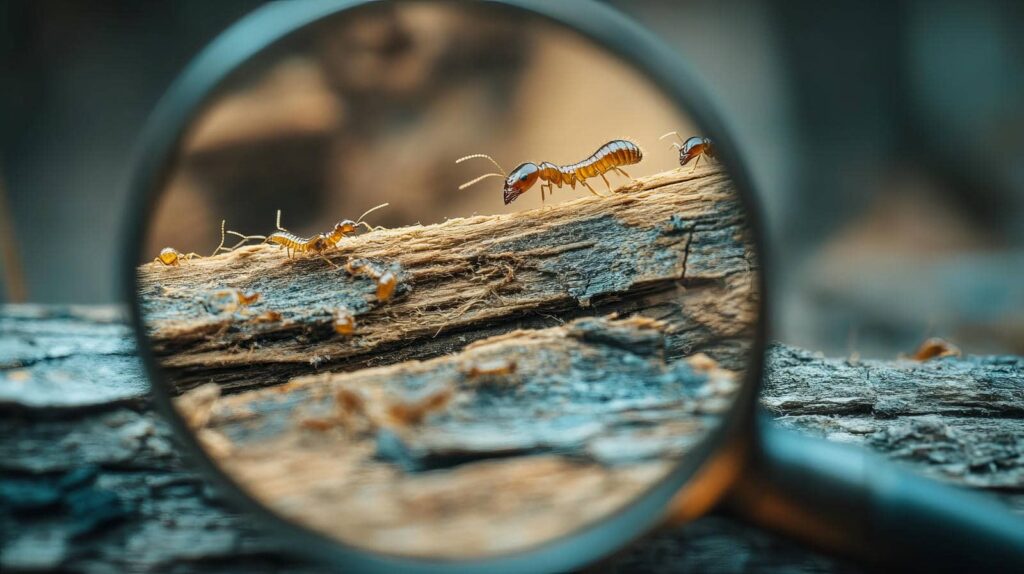
To effectively keep termites at bay, it’s crucial to understand their behavior and habits. Termites rely heavily on communication within their colony structure, using pheromones to alert others to food sources, danger, or reproductive opportunities. By recognizing these signals, you can identify potential infestations early.
Observing their unique social hierarchy can also provide insights into their nesting patterns, as worker termites are responsible for foraging and building, while soldiers protect the colony. Understanding these dynamics helps you anticipate where they might establish colonies around your home.
Maintaining Dryness Around Your Home
To keep termites at bay, maintaining dryness around your home is essential.
Fix leaks promptly, improve drainage systems, and ensure crawl spaces are well-ventilated to prevent moisture buildup.
These steps help create an environment that’s less inviting to termites, protecting your property from potential infestations.
Fix Leaks Promptly
One of the most effective ways to deter termites is by promptly fixing leaks around your home. Water accumulation from leaks creates the perfect breeding ground for termites.
Regular leak detection is essential; inspect your plumbing system for any signs of moisture or dripping. Don’t wait for small issues to become major problems.
By prioritizing plumbing maintenance, you maintain a dry environment that discourages termite infestations. Make it a habit to check under sinks, around toilets, and behind appliances.
If you notice a leak, address it immediately—whether it’s a simple repair or calling in a professional. Keeping your home dry protects against termites and fosters a healthier living space for you and your family.
Improve Drainage Systems
Fixing leaks is just the first step; the effectiveness of your home’s drainage system plays an essential role in maintaining dryness and preventing termite infestations.
To achieve this, consider implementing effective drainage solutions that redirect water away from your foundation. Ensure gutters and downspouts are clear and direct water at least five feet from your home.
You might also want to explore effective landscaping techniques, such as sloping soil away from your property and using gravel beds, to enhance drainage.
Regularly inspect your yard for pooling water, as standing water invites termites.
Ventilate Crawl Spaces
Ensuring proper ventilation in crawl spaces is essential for maintaining a dry environment that discourages termite infestations.
Effective crawl space maintenance focuses on promoting air circulation, which helps reduce moisture levels.
Here are some practical steps you can take:
Install vents: Use vents to allow fresh air to flow in and out.
Use fans: Consider adding fans to enhance air circulation during humid months.
Seal gaps: Close any gaps or cracks to prevent moisture accumulation.
Monitor humidity: Regularly check humidity levels with a hygrometer to ensure they stay low.
Removing Wood Debris and Mulch
To keep termites at bay, start by clearing wood piles from your property, as they attract these pests.
Managing mulch thickness is also essential; keep it to a minimum to reduce moisture retention that termites love.
Finally, make certain that your surroundings remain dry to create an inhospitable environment for termite infestations.
Clear Wood Piles
Termites thrive in environments rich with wood debris and mulch, making it essential to clear these materials from your property.
Proper wood storage is vital for pest prevention, so consider these steps:
- Regularly inspect and remove fallen branches or wood scraps.
- Store firewood at least 20 feet away from your home and off the ground.
- Keep mulch away from the foundation and use less organic material.
- Dispose of any old or damaged wooden structures promptly.
Manage Mulch Thickness
Mulch can be a double-edged sword for landscaping, offering both aesthetic appeal and potential risks if not managed correctly.
To keep termites at bay, it’s important to monitor the thickness of your mulch. Aim for a depth of 2-3 inches; too much organic mulch can retain moisture and attract pests.
Remove any wood debris or excess mulch that accumulates around your plants, as this creates a perfect habitat for termites.
Consider using mulch alternatives like gravel or rubber, which deter pests and provide drainage.
If you prefer organic mulch, opt for cedar or cypress, known for their natural resistance to termites.
Maintain Dry Surroundings
While a lush landscape can enhance your home’s appeal, maintaining dry surroundings is essential for preventing termite infestations. To effectively control moisture and humidity levels, you should regularly remove wood debris and mulch from your property.
Here are some practical steps to take into account:
- Clear away fallen branches, leaves, and other organic materials.
- Store firewood at least 20 feet away from your home and elevate it off the ground.
- Verify gutters and downspouts direct water away from the foundation.
- Regularly inspect and maintain drainage systems to avoid pooling water.
Using Natural Repellents
Natural repellents can be an effective strategy for keeping termites at bay without resorting to harsh chemicals. You can utilize essential oils like neem, orange, and clove, which have properties that deter these pests.
Mixing a few drops of these oils with water and spraying around your home creates a natural barrier. Additionally, consider using natural insecticides made from plant-based ingredients, which are less harmful to the environment and can disrupt termite activity.
Regularly applying these solutions helps repel termites and promotes a healthier living space. By adopting these methods, you can protect your home and feel connected to a community that values natural solutions for pest management.
Introducing Beneficial Nematodes
Introducing beneficial nematodes can be a game-changer in your termite control strategy.
These microscopic worms serve as a form of biological control, targeting termites effectively and safely. When you introduce them to your garden or infested areas, they seek out pests, including termites, and help reduce their population.
Here’s why you should consider them:
- They’re safe for pets and humans.
- They require minimal maintenance once introduced.
- They can be applied in various environments, including soil and wood.
- They naturally reproduce, providing ongoing protection.
Applying Borates to Wood Surfaces
Applying borates to wood surfaces offers an effective method for preventing termite infestations. This borate treatment acts as a powerful insecticide and wood preservative, ensuring long-lasting wood protection.
When you apply a borate solution, it penetrates the wood fibers, creating an inhospitable environment for termites and other wood-destroying organisms.
To use borates effectively, clean the wood surface and apply the solution using a brush or sprayer. Be sure to cover all exposed areas thoroughly.
Additionally, consider repeating the treatment every few years, especially in areas prone to moisture. By taking these steps, you’ll not only protect your wood but also contribute to a healthier home environment, helping you feel secure and connected in your living space.
Creating Physical Barriers
While treating wood with borates can considerably reduce the risk of termite infestations, creating physical barriers is another effective strategy for protecting your home.
By implementing these barriers, you enhance your termite prevention efforts and foster a safer living environment. Here are some practical methods:
Concrete Foundations: Use concrete to create an impenetrable barrier between soil and wood.
Steel Mesh: Install steel mesh around critical areas like vents and pipelines.
Gravel Bed: Lay a gravel bed around your home’s perimeter to discourage termite access.
Moisture Control: Maintain proper drainage to prevent moisture accumulation, which attracts termites.
Regular Home Inspections
Regular home inspections are essential for identifying early signs of termite activity, as they allow you to catch potential infestations before they escalate into significant damage.
By implementing routine inspections, you can establish effective preventive measures that protect your home. Aim for an inspection frequency of at least once a year, especially if you live in an area prone to termites.
During these inspections, check for mud tubes, damaged wood, and any signs of moisture, which can attract termites. If you spot any issues, address them promptly to minimize risk.
Regular inspections safeguard your investment and provide peace of mind, fostering a sense of community responsibility in maintaining healthy homes for everyone.
Planting Termite-Repelling Plants
To effectively deter termites from your property, consider planting termite-repelling plants around your home.
These plants enhance your landscape and provide a natural barrier against pests. Incorporating companion planting can greatly increase your defenses.
Here are some effective termite-repelling herbs to contemplate:
- Mint: Its strong scent is unappealing to termites.
- Rosemary: This hardy herb thrives in various conditions and deters pests.
- Sage: Known for its aromatic properties, sage can help repel termites.
- Thyme: This versatile herb can be planted in garden beds to ward off infestations.
Frequently Asked Questions
Can Pets Help in Detecting Termite Infestations?
Yes, your pets can help in detecting termite infestations. By observing unusual pet behavior, like sniffing or scratching at walls, you can utilize these natural detection methods to identify potential termite problems early.
What Are the Signs of a Termite Problem?
Have you noticed any unusual signs around your home? Look for termite droppings resembling sawdust and inspect for wood damage, such as hollow sounds or peeling paint—these might indicate a serious termite problem lurking nearby.
How Often Should I Conduct Termite Inspections?
You should conduct termite inspections at least once a year, ideally during spring or fall. Seasonal inspection recommendations help you catch potential issues early, ensuring your home remains safe and termite-free. Stay proactive!
Do Weather Conditions Affect Termite Activity?
Yes, weather conditions considerably affect termite behavior. Seasonal fluctuations in temperature and moisture influence their activity levels, with warmer, wetter periods often leading to increased infestations. Staying alert during these times can help you prevent problems.
Can Termites Damage Furniture or Only Structures?
Termites can definitely damage furniture, not just structures. Some termite species, like drywood termites, feast on wood in your home, turning cherished pieces into hollow shells—silent invaders that compromise both value and comfort in your space.
Summary
By implementing these natural methods, you can greatly reduce the risk of termite infestations in and around your home. By understanding termite behavior and using preventive measures like essential oils and beneficial nematodes, you can protect your property effectively. Regular inspections and maintaining a dry environment will further ensure that your home remains a fortress against these pests.
Recent Posts
What Are Top Treatments for Indian Meal Moths?
When it comes to managing the unwelcome presence of Indian meal moths, you’ll find that
Why Treat Indian Meal Moths in Your Home?
If you’ve noticed tiny moths fluttering around your kitchen or found webbing in your food,
Top Spider Control Techniques for Your Home
When it comes to keeping spiders out of your home, understanding their behavior is vital.