Contents
If you run a restaurant, pest control is about more than stopping bugs and rodents. It also means protecting sanitation, staying prepared for inspections, and maintaining customer trust. You need a plan that covers monitoring, records, sanitation, and a fast response when signs appear. Miss one weak spot, and you could face failed audits, health code issues, or negative reviews that spread quickly. The next step is knowing what inspectors look for and how to stay ahead.
Key Takeaways
- Build a restaurant pest control plan with routine inspections, sanitation, and targeted treatments to prevent infestations.
- Keep detailed logs, service reports, trap maps, and corrective actions ready for health inspections and audits.
- Watch for warning signs like droppings, gnaw marks, grease trails, shed skins, and foul odors.
- Act quickly on any pest sighting, because even one photo can hurt reviews, trust, and revenue.
- Seal entry points and maintain daily pest checks to protect guests, staff, and your restaurant’s reputation.
What Restaurant Pest Control Includes
Restaurant pest control includes more than setting traps; it starts with a thorough inspection of your kitchen, storage areas, drains, entry points, and waste zones to find where pests are getting in and where conditions let them thrive.
You then use pest control for restaurants to remove food, water, and shelter sources through sanitation, sealing gaps, and organizing storage. Your team should clean under equipment, rotate stock, and keep lids tight on bins so pests lose access fast.
You’ll also need targeted treatments matched to the pest, because broad spraying can’t solve every issue. With a consistent plan, you protect your guests, support your staff, and show you belong among operators who take food safety seriously every day.
How to Prep for Health Inspections
Before a health inspection, you should run a thorough pre-inspection checklist to confirm that kitchens, storage areas, and waste zones are clean and pest-free.
You’ll also need to keep sanitation documentation organized so you can verify cleaning schedules, pest service records, and corrective actions.
When you prepare both your facility and your records, you show inspectors that you’re managing pest control proactively.
Pre-Inspection Checklist
A solid pre-inspection checklist helps you spot pest risks and close compliance gaps before a health inspector arrives.
Walk your space with a critical eye and move like a team that protects guests together. Check entry points, storage, drains, and trash zones for signs of activity or conditions pests use. Confirm doors seal tightly, screens fit, and gaps stay blocked.
Look for spills, standing water, and clutter that invite insects and rodents. Replace damaged containers and keep product off the floor.
- Inspect behind equipment and under sinks
- Verify lids, liners, and dumpsters close fully
- Remove cardboard, debris, and unused materials
- Tighten repairs on cracks, gaps, and vents
- Review pest monitoring devices for placement
Sanitation Documentation
When health inspectors ask about sanitation, your paperwork should show the same control your kitchen does. Keep cleaning logs, pest sighting reports, and corrective action records in one easy-to-find file.
Update each entry daily, and note who cleaned, what was used, and when the task finished. Save invoices and service reports from your pest control provider so you can verify regular monitoring.
If you spot droppings, odors, or damaged packaging, document the issue, the response, and the follow-up check. Train your team to sign forms honestly and promptly.
Clear records show you run a tight operation and belong among the restaurants that take food safety seriously. During an inspection, present documents calmly, answer directly, and let your organization speak for itself.
Common Kitchen Pests and Warning Signs
Common kitchen pests can show up fast in restaurants, and you’ll usually spot them first through the signs they leave behind. Watch for cockroaches in warm gaps, rodents near food storage, flies around drains, and ants along sweet spills. You can protect your team and guests by learning these warning signs early.
- Droppings near equipment
- Gnaw marks on packaging
- Grease trails along walls
- Shed skins or wings
- Musty, foul odors
If you notice these clues, inspect high-risk zones such as prep tables, dish areas, and waste stations. Acting quickly helps you stay inspection-ready and keeps your restaurant aligned with the standards your crew works hard to meet.
Build a Restaurant Pest Control Plan
You should build a restaurant pest control plan with a clear inspection schedule so you can spot problems early and address them before they spread.
Set strict sanitation protocols that reduce food, water, and harborage sources pests need to survive.
Keep detailed monitoring documentation so you can track trends, verify actions, and show compliance.
Inspection Schedule
A reliable inspection schedule keeps your restaurant pest control plan proactive instead of reactive. You should assign daily, weekly, and monthly checks so your team knows exactly when to look for signs of pest activity, equipment gaps, and entry points.
Keep the schedule posted, shared, and easy to follow so everyone feels responsible for protecting the operation.
- Inspect loading docks before deliveries arrive.
- Check storage rooms and dry goods areas weekly.
- Review doors, screens, and seals monthly.
- Document findings and corrective actions immediately.
- Verify contractor visits match your service calendar.
When you build a predictable routine, you create accountability and help your staff work as one team.
Consistent inspections also support cleaner records, smoother audits, and faster response when conditions change.
Sanitation Protocols
Sanitation protocols are the daily habits that make your restaurant pest control plan work. You protect your kitchen when you clean spills immediately, sweep crumbs from prep lines, and sanitize food-contact surfaces after each use.
Empty trash before it overflows, keep lids closed, and move waste to designated bins away from doors. Store dry goods in sealed containers, rotate stock, and keep inventory off the floor and away from walls.
Wash utensils, racks, and mats on schedule, and dry them fully so moisture doesn’t invite pests. Train your team to reset stations at closing and to report sanitation gaps fast.
When everyone follows the same standards, you create a clean, disciplined environment where pests have fewer reasons to stay, and your crew feels part of a team that protects the house.
Monitoring Documentation
Monitoring documentation turns your pest control plan into a system you can track, verify, and improve. You need clear logs for inspections, bait stations, sightings, and corrective actions so your team stays aligned and inspectors see control, not guesswork.
Record dates, locations, trends, and follow-up tasks after every check. Review entries weekly to spot recurring pressure points and adjust cleaning, sealing, or service schedules before problems spread. Keep records organized and accessible, because your staff should feel confident using them during audits.
- Document every pest sighting immediately.
- Note what you inspected and where.
- Track actions taken and who completed them.
- Compare weekly patterns for repeat issues.
- Store logs where your team can reach them.
What Records Inspectors Want to See
Inspectors want more than a clean kitchen—they want proof that your pest control program is active, consistent, and documented.
You should keep service reports, trap maps, correction logs, and trend notes in one organized file that’s easy to show. Include dates, locations, findings, corrective actions, and the name of the person who followed up.
Keep pesticide labels, Safety Data Sheets, and your licensed provider’s contact details available, since inspectors may ask for them.
Update records after every visit, monitoring check, or sanitation fix so your team can show accountability.
When your paperwork is complete and current, you signal that your restaurant belongs among the well-run operations inspectors trust.
Make it a habit, and you’ll stay ready.
When to Call a Commercial Exterminator
Once your records show recurring activity, growing trap counts, or the same correction issue coming back, it’s time to bring in a commercial exterminator. You can’t keep relying on short-term fixes when the pattern points to a larger source.
A licensed pro helps you identify entry points, nesting areas, and sanitation gaps, then builds a plan your team can follow with confidence.
- Review inspection notes and pest trends together.
- Share map locations for traps, drains, and storage.
- Ask for service intervals matched to your risk level.
- Confirm approved products for food-service use.
- Train your staff on what to watch and report.
When you call early, you join the operators who stay ahead, stay organized, and stay ready for inspection.
How Pest Issues Hurt Reviews and Revenue
A pest sighting can damage your restaurant long before a formal complaint does, because guests often share bad experiences online within minutes.
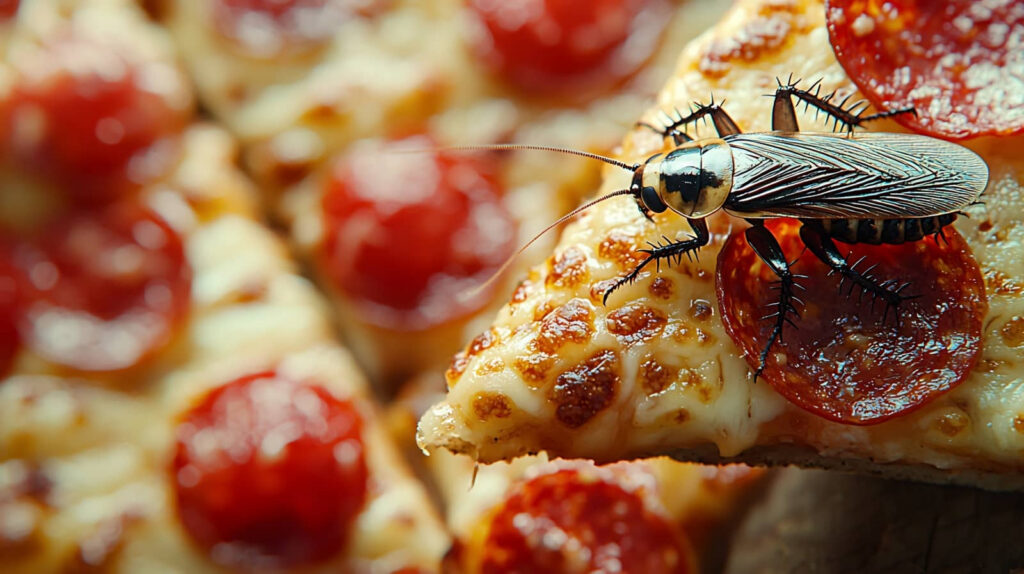
One photo of a roach, fly, or mouse droppings can lower star ratings, reduce trust, and push new diners toward competitors. You also risk repeat customers, since people want to feel safe, welcome, and part of a place that cares.
Poor reviews can hurt search visibility, delivery conversions, and group bookings. Revenue drops faster when staff spend time apologizing instead of serving.
To protect sales, inspect daily, log findings, seal entry points, and respond quickly to any sign of activity.
When you act early, you show guests that your team takes cleanliness seriously and keeps their dining experience secure.
Frequently Asked Questions
How Often Should Restaurant Pest Control Treatments Be Scheduled?
You should schedule restaurant pest control treatments monthly, then increase visits to weekly or biweekly if you spot activity, handle high-risk ingredients, or face seasonal pressure; you’ll also want routine inspections and documented follow-ups.
Can Outdoor Dining Areas Attract More Pests Than Kitchens?
Yes, outdoor dining areas can attract more pests than kitchens because you’re exposing food, guests, and trash to open air. You can reduce risk by cleaning spills quickly, sealing waste, and scheduling regular inspections.
Are Ultrasonic Pest Repellents Effective in Restaurants?
No, ultrasonic pest repellents usually aren’t effective in restaurants. You’ll get better results with sealing entry points, removing food sources, and using a professional integrated pest management plan that supports your team and inspection readiness.
What Training Should Staff Receive for Pest Prevention?
You should train staff to spot pest signs, store food properly, clean spills quickly, close doors, report issues fast, and follow sanitation procedures. You’ll build ownership, protect compliance, and keep your team confident and connected.
How Do Seasonal Changes Affect Restaurant Pest Activity?
Seasonal changes shift pest pressure: you’ll see more rodents and overwintering insects in colder months, then flies, ants, and cockroaches surge in warmth. You should inspect entry points, food storage, and drains year-round.
Conclusion
You protect your restaurant by treating pest control as a daily standard, not a last-minute fix. When you inspect regularly, document sightings, and act fast, you’re far more likely to pass health inspections and avoid costly disruptions. Even a single missed warning sign can snowball into a nightmare for your reputation and revenue. Stay consistent, train your team, and partner with a commercial exterminator when needed. That discipline keeps your kitchen compliant, confident, and guest-ready.
Recent Posts
Commercial Pest Control: Protecting West Michigan Businesses
Like a silent leak in a warehouse, pests can spread trouble before you notice. If
How Much Does Professional Mosquito Control Cost? Pricing Explained
Most people don’t realize mosquito control pricing often shifts with season, not just yard size.
What Months Are Ticks Active in Michigan? It’s Longer Than You Think
If you hike a wooded trail in Michigan on a warm day in early March,