Contents
Many homeowners believe that pest control is only necessary after an infestation occurs, but this isn’t entirely accurate. In reality, proactive measures can considerably reduce the likelihood of pests invading your space. By understanding common indoor pests and implementing effective prevention strategies, you can maintain a pest-free environment. The question then arises: what specific techniques can you employ to ensure your home remains safeguarded?
Key Takeaways
- Regularly inspect your home for signs of pests, such as droppings or nests, to identify potential infestations early.
- Maintain a rigorous cleaning schedule to eliminate food particles and debris that attract pests.
- Seal all entry points, including windows and doors, to prevent pests from entering your home.
- Store food in airtight containers and keep the kitchen clean to deter unwanted visitors.
- Consider professional extermination services for effective long-term solutions and implement monitoring for re-infestation.
Understanding Common Indoor Pests
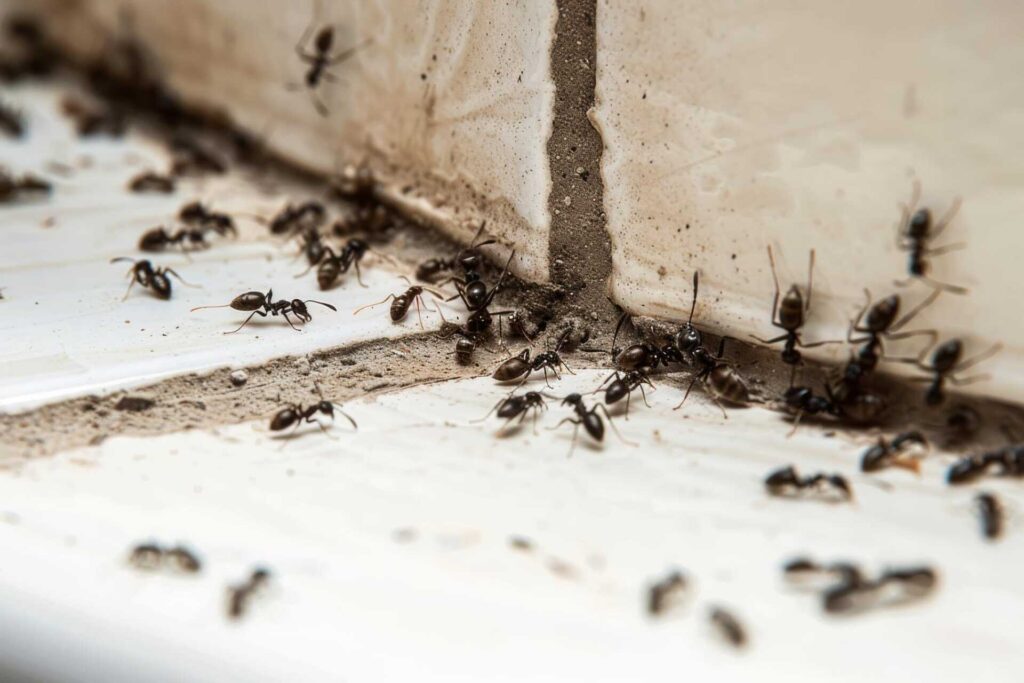
When you encounter pests inside your home, understanding their habits and characteristics is vital for effective control. Employing pest identification techniques helps you determine the specific species invading your space, which is significant for tailored interventions. For instance, recognizing signs like droppings or nesting can point you toward particular pests like rodents or cockroaches.
Additionally, studying pest behavior patterns allows you to predict where they may hide or breed. Some pests prefer damp areas, while others thrive in warm, dark spaces. Knowing this can help you focus your efforts on problem areas, maximizing your control strategies.
Prevention Strategies for Indoor Infestations
Understanding common indoor pests lays the groundwork for effective prevention strategies. To keep your home pest-free, focus on two key approaches: regular cleaning and proper sealing.
Start by implementing a routine cleaning schedule. Wipe down surfaces, vacuum carpets, and sweep floors frequently to eliminate food particles and debris that attract pests.
Don’t overlook hidden areas like under appliances and behind furniture, as they can harbor unwanted insects.
Next, ensure proper sealing of your home. Inspect windows, doors, and any cracks in walls for gaps. Use caulk or weather stripping to seal these openings, preventing pests from entering.
Additionally, check for any holes in your screens and repair them promptly.
Chemical Treatments for Effective Extermination
When it comes to effective pest extermination, understanding the types of chemical insecticides available is vital.
You’ll also need to know the proper application methods to ensure maximum effectiveness while minimizing risks.
Additionally, implementing safety precautions is essential to protect yourself and your environment during treatment.
Types of Chemical Insecticides
Chemical insecticides play an essential role in indoor pest control, providing effective solutions for a range of infestations. Understanding the different pesticide types and insecticidal formulas can help you choose the right option for your needs. Here’s a quick overview:
| Insecticide Type | Active Ingredients | Common Usage |
|---|---|---|
| Pyrethroids | Permethrin, Cypermethrin | General pests |
| Neonicotinoids | Imidacloprid, Acetamiprid | Ants, cockroaches |
| Insect Growth Regulators (IGRs) | Methoprene, Pyriproxyfen | Long-term control |
| Organophosphates | Chlorpyrifos, Diazinon | Termite control |
| Biologicals | Bacillus thuringiensis | Caterpillars, larvae |
This table helps you identify what to use effectively, enhancing your pest control strategy. Always follow safety guidelines when applying any insecticide.
Application Methods Explained
Effective application methods are essential for maximizing the efficacy of chemical treatments in pest control.
First, employ pest identification techniques to accurately determine the type of pest you’re dealing with. This step ensures you’re using the right chemical formulation.
Next, focus on application efficiency by choosing appropriate delivery systems, such as sprays, baits, or foggers. Be mindful of the targeted areas; treating cracks, crevices, and nesting sites often yields better results.
Additionally, consider environmental factors like humidity and temperature, as they can affect chemical performance.
Lastly, always follow label instructions for dosage and frequency to enhance effectiveness while minimizing waste.
Safety Precautions Required
While tackling pest issues, it’s vital to prioritize safety precautions to protect yourself and your environment.
Start by wearing appropriate safety gear, such as gloves, masks, and goggles, to minimize exposure to harmful chemicals. Always read and follow the manufacturer’s instructions on pesticide labels to ensure safe application.
Proper chemical storage is critical; keep all products in their original containers and store them in a locked cabinet away from children and pets.
Ventilate the area before and after treatment to reduce inhalation risks. After applying treatments, wash your hands thoroughly and avoid contact with treated surfaces until they’re dry.
Natural Remedies for Pest Control
When considering natural remedies for pest control, you can explore essential oils, diatomaceous earth, and vinegar solutions.
Essential oils serve as effective repellents, while diatomaceous earth disrupts insect exoskeletons.
Additionally, vinegar can clean surfaces and deter pests, offering a multi-faceted approach to indoor pest management.
Essential Oils for Repellents
Essential oils offer a natural and eco-friendly solution for repelling indoor pests. Their aromatic properties create a pleasant atmosphere and act as effective pest deterrents. You can easily incorporate these oils into your home by using diffusers, sprays, or cotton balls.
| Essential Oil | Pest Deterrent Effect | Suggested Use |
|---|---|---|
| Peppermint | Repels spiders, ants | Spray diluted solution |
| Lavender | Deters moths, fleas | Place sachets in closets |
| Tea Tree | Fights mold, insects | Add to cleaning products |
Diatomaceous Earth Applications
Diatomaceous earth (DE) is a versatile and effective natural remedy for pest control that many homeowners can easily utilize. This powdery substance, made from fossilized algae, offers significant diatomaceous earth benefits, including its ability to dehydrate and kill various pests like ants, cockroaches, and bedbugs.
For effective diatomaceous earth usage, sprinkle a thin layer in areas where pests frequent, such as along baseboards, under appliances, and in cracks and crevices. Make sure to reapply after cleaning or heavy moisture.
Vinegar Cleaning Solutions
Harness the power of vinegar as a natural cleaning solution to combat indoor pests effectively. Its acetic acid content breaks down grime and disrupts the scent trails that pests, like ants and spiders, rely on.
By using a simple mixture of equal parts vinegar and water, you can enhance your cleaning effectiveness while reaping vinegar benefits. Spray this solution in areas prone to infestation, such as kitchens and entryways, to deter unwanted critters.
Additionally, vinegar’s antibacterial properties help maintain a clean environment, reducing the likelihood of pest attraction. Incorporating vinegar into your pest control routine empowers you as a homeowner and fosters a healthier living space for you and your family.
Professional Extermination Services
While you may attempt various DIY methods for pest control, professional extermination services often provide the most effective and long-lasting solutions. When selecting an exterminator, consider their experience, methods, and customer reviews. Understanding pest control costs is essential, as services can vary greatly based on the severity of the infestation and the type of pests involved.
| Exterminator Criteria | Importance | Average Cost |
|---|---|---|
| Experience | Ensures effective treatment | $100 – $300 |
| Eco-friendly methods | Safe for family/pets | Additional $50-$100 |
| Customer reviews | Trustworthiness | N/A |
| Warranty | Long-term assurance | Included in service |
| Response time | Urgency of situation | N/A |
Maintenance and Monitoring for Long-term Solutions
After addressing an infestation with professional extermination services, the next step involves implementing maintenance and monitoring strategies to ensure pests don’t return.
Regular pest monitoring and home maintenance play essential roles in sustaining a pest-free environment.
Consider these effective strategies:
Seal cracks and gaps to prevent entry points for pests.
Maintain a clean kitchen, promptly cleaning up spills and crumbs.
Store food in airtight containers to deter unwanted visitors.
Regularly inspect your home for signs of pests or damage.
Use traps or monitoring devices in key areas to catch any early signs of re-infestation.
Recap
In your quest for a pest-free home, remember that vigilance pays off. Just as you might find an unexpected leak in your roof on a rainy day, discovering a pest problem can happen when you least expect it. By implementing prevention strategies and combining them with effective treatments, you create a resilient barrier against infestations. Regular maintenance and monitoring ensure your efforts aren’t in vain, keeping your home safe and comfortable for you and your loved ones.
Recent Posts
Top Solutions for Indian Meal Moth Infestations
The pantry can be a battleground against the silent invader known as the Indian meal
What Are Top Treatments for Indian Meal Moths?
When it comes to managing the unwelcome presence of Indian meal moths, you’ll find that
Why Treat Indian Meal Moths in Your Home?
If you’ve noticed tiny moths fluttering around your kitchen or found webbing in your food,