
Contents
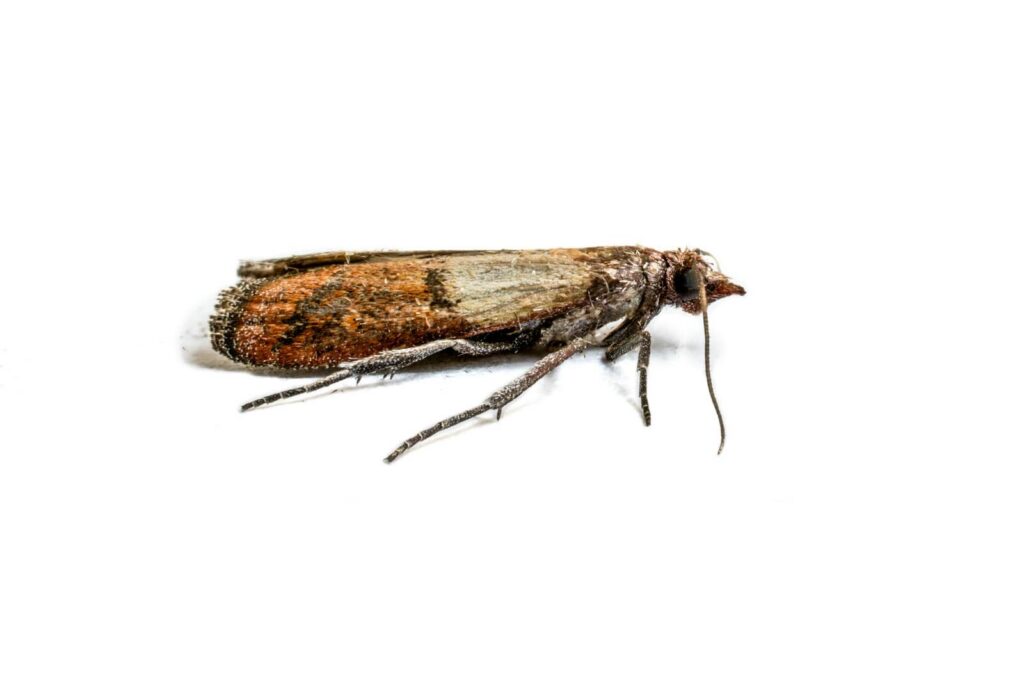
Imagine opening your pantry only to find tiny moths fluttering among your grains and snacks. Indian meal moths can quickly turn your kitchen into their breeding ground, making it vital to tackle infestations effectively. Understanding their lifecycle and identifying early signs of an infestation is key. By combining preventive measures, natural remedies, and professional help, you can regain control and keep these pests at bay. What steps should you take first?
Key Takeaways
- Seal all food items in airtight containers to prevent Indian meal moth infestations.
- Regularly inspect pantries for signs of larvae, webbing, and adult moths.
- Use natural remedies like bay leaves and essential oils to deter moths.
- Employ commercial pheromone traps for effective monitoring and capturing moths.
- Consider professional pest control services for severe infestations and expert advice.
Understanding Indian Meal Moths and Their Lifecycle
To effectively manage Indian meal moths, it’s essential to understand their lifecycle. These pests undergo four lifecycle stages: egg, larva, pupa, and adult moth.
The female moth lays hundreds of eggs in food sources, particularly grains and dried products. Once they hatch, the larvae emerge and begin to feed, exhibiting destructive moth behavior as they consume your pantry items. This feeding stage can last several weeks, during which they grow considerably, often leading to noticeable infestations.
After reaching maturity, the larvae pupate, finally transforming into adult moths. Recognizing this lifecycle helps you pinpoint the best times to intervene.
Identifying Infestations in Your Pantry
Recognizing an infestation in your pantry requires vigilance, especially after understanding the lifecycle of Indian meal moths.
Begin with a thorough pantry inspection, examining all food storage areas. Look for webbing, larvae, or adult moths, which are often found near grains, nuts, and dried fruits. Pay attention to any signs of damage or small holes in packaging, as these can indicate a breach.
Check for clumps of food or a powdery residue, which often accompanies moth infestations.
Don’t forget to inspect less obvious spots, like the corners of shelves or behind containers. If you notice any signs, act quickly. Remove infested items and clean surfaces with soapy water. Vacuuming can help eliminate eggs and larvae.
Regular pantry inspections will help you catch infestations early, ensuring your food storage remains safe and moth-free.
Preventive Measures to Keep Indian Meal Moths Away
While it’s crucial to detect an infestation early, implementing preventive measures can considerably reduce the risk of Indian meal moths invading your pantry.
By focusing on preventive storage and maintaining a clean environment, you can protect your food supplies effectively. Here are some key strategies:
Seal food tightly: Use airtight containers for grains, nuts, and dried fruits to prevent access.
Regular inspections: Check your pantry every few weeks for signs of moths or larvae in food products.
Clean thoroughly: Regularly vacuum and wipe down shelves to eliminate potential eggs and larvae.
Monitor new purchases: Inspect any new food items for signs of infestation before adding them to your pantry.
Natural Remedies for Indian Meal Moth Control
Implementing preventive measures is just the first step in managing Indian meal moths; natural remedies can effectively aid in controlling and eliminating these pests once they invade your space.
To combat these nuisances, consider using natural repellents such as bay leaves, which can deter moths when placed in your pantry. Another effective herbal solution is the use of essential oils, like peppermint or lavender, known for their insect-repelling properties. Simply mix a few drops with water in a spray bottle and apply it to affected areas.
Additionally, diatomaceous earth can serve as a natural barrier, as it dehydrates and kills moth larvae upon contact. By incorporating these remedies into your pest management strategy, you can create a less hospitable environment for Indian meal moths while fostering a sense of belonging in your space.
Embrace these solutions, and reclaim your pantry with confidence!
Chemical Solutions for Severe Infestations
When dealing with severe infestations of Indian meal moths, effective insecticide application techniques are essential for success.
You’ll need to evaluate residual treatment options that maintain effectiveness over time while ensuring safety precautions are followed closely.
Understanding these aspects will help you manage and eliminate the problem efficiently.
Insecticide Application Techniques
To effectively combat severe infestations of Indian meal moths, employing precise insecticide application techniques is essential.
You’ll want to evaluate various insecticide types and their appropriate application methods. Here are four techniques you should follow:
Targeted Spraying: Use a sprayer to apply insecticides directly to infested areas, ensuring thorough coverage.
Fogging: For larger spaces, fogging can disperse insecticides effectively, reaching hidden moths.
Baiting: Place insecticide baits in strategic locations to attract and eliminate moths.
Drenching: This method involves applying insecticides to surfaces where moths are likely to rest or lay eggs.
Residual Treatment Options
Following effective insecticide application techniques, it’s important to contemplate residual treatment options that provide lasting protection against Indian meal moths.
Residual treatments, such as insect growth regulators and specific formulations of pyrethroids, can offer long-term solutions by disrupting the life cycle of these pests. When applied to surfaces where moths are likely to land, these chemicals create a protective barrier that continues to work over time.
To maximize effectiveness, ensure thorough coverage of potential hiding spots, including cracks and crevices. Regular monitoring and reapplication may be necessary to maintain the efficacy of these treatments.
Safety Precautions Required
While chemical solutions can be effective in combating severe infestations of Indian meal moths, it’s essential to prioritize safety precautions for both yourself and your environment.
Here are key safety measures to take into account:
Wear Personal Protective Equipment: Always use gloves, masks, and goggles to protect yourself from chemicals.
Ensure Proper Ventilation: Work in well-ventilated spaces to minimize inhalation of harmful fumes.
Store Chemicals Safely: Keep all chemicals in a secure location, out of reach of children and pets.
Follow Instructions: Adhere to all labeling instructions for application and disposal to avoid unintended hazards.
Effective Traps for Monitoring Indian Meal Moths
To effectively monitor Indian meal moths, using traps is essential.
Pheromone traps attract and capture male moths, helping you assess the infestation level.
You can choose from DIY options or reliable commercial traps that suit your needs.
Pheromone Trap Benefits
Using pheromone traps serves as an effective method for monitoring Indian meal moths, allowing you to detect infestations early.
These traps offer several benefits:
Pheromone Effectiveness: They attract male moths using synthetic pheromones, disrupting their mating cycle.
Trap Longevity: Designed to last for several months, they provide continuous monitoring without frequent replacements.
Easy Installation: Simply hang or place them in infested areas, making them user-friendly.
Non-Toxic Approach: Unlike chemical pesticides, these traps are safe for your home environment, giving you peace of mind.
DIY Trap Options
Creating your own DIY traps for monitoring Indian meal moths can be an effective way to manage infestations without relying solely on commercial products.
Start by gathering simple DIY trap materials, such as cardboard, sticky tape, and a pheromone lure. For your DIY trap designs, cut the cardboard into a funnel shape, ensuring the opening is wide enough for moths to enter but narrow enough to prevent escape.
Apply sticky tape around the inner sides to trap the moths once they enter. Position your traps in areas prone to infestations, like pantries or storage spaces.
Regularly check these traps to assess the moth population, allowing you to take further action if necessary. This proactive approach fosters a sense of community in pest management.
Commercial Trap Recommendations
While DIY traps can effectively monitor Indian meal moths, investing in commercial trap options may provide enhanced results and convenience.
These traps are designed for ideal trap effectiveness and can help you tackle infestations more efficiently. Here are some recommended commercial trap types:
Pheromone Traps: Attract and capture male moths, disrupting their breeding.
Sticky Traps: Capture both genders and monitor population levels effectively.
Electric Traps: Use light and heat to lure moths, providing a more advanced solution.
Insect Growth Regulators (IGRs): Work alongside traps to disrupt the life cycle of the moths.
Using these commercial traps can greatly improve your pest management strategy, ensuring a moth-free environment.
Professional Pest Control Services
When you’re faced with a persistent Indian meal moth infestation, professional pest control services can provide an effective and extensive solution.
These experts excel in pest identification, ensuring they accurately determine the source and extent of the infestation. With their specialized knowledge, they’ll help you understand the lifecycle of these pests and the potential damage they can cause.
Once identified, they’ll present various treatment options tailored to your specific situation, which may include targeted insecticides or eco-friendly methods.
Professionals use advanced techniques and tools that are often more effective than DIY solutions, ensuring a quicker resolution to your problem.
Additionally, they can provide valuable insights on prevention strategies to keep your home free from future infestations.
Maintenance Tips After Treatment
To ensure long-lasting results after treatment for Indian meal moths, it’s vital to implement effective maintenance strategies right away.
Here are some key tips to make certain your space stays moth-free:
Post Treatment Cleaning: Regularly vacuum areas where you store food, including pantry shelves and corners, to remove any potential moth eggs or larvae.
Seal Food Properly: Store all food items in airtight containers to prevent re-infestation. This includes grains, nuts, and dried fruits.
Inspect Regularly: Conduct routine checks on your pantry and food storage areas for any signs of moths. Early detection is essential.
Ongoing Vigilance: Maintain a proactive approach by using pheromone traps to monitor for any returning moths.
Summary
In the battle against Indian meal moths, think of your pantry as a fortress. Just as a castle’s walls keep out invaders, sealing your food and maintaining cleanliness creates a strong defense. Remember, even the best fortresses can fall without vigilance. By combining preventive measures, natural remedies, and expert assistance, you can reclaim your kitchen from these pests. Stay proactive, and you’ll ensure your pantry remains a safe haven for your food.
Recent Posts
Mouse Droppings vs Rat Droppings: Identify Your Intruder
You may not know that droppings can tell you more than just whether rodents are
What Attracts Mice to a Clean House? 7 Surprising Culprits
Some homes report some mouse activity each year, and even a spotless house can still
How Do Exterminators Get Rid of Mice? A Look Inside the Process
When you call an exterminator for mice, the process starts with a careful inspection to