
Contents
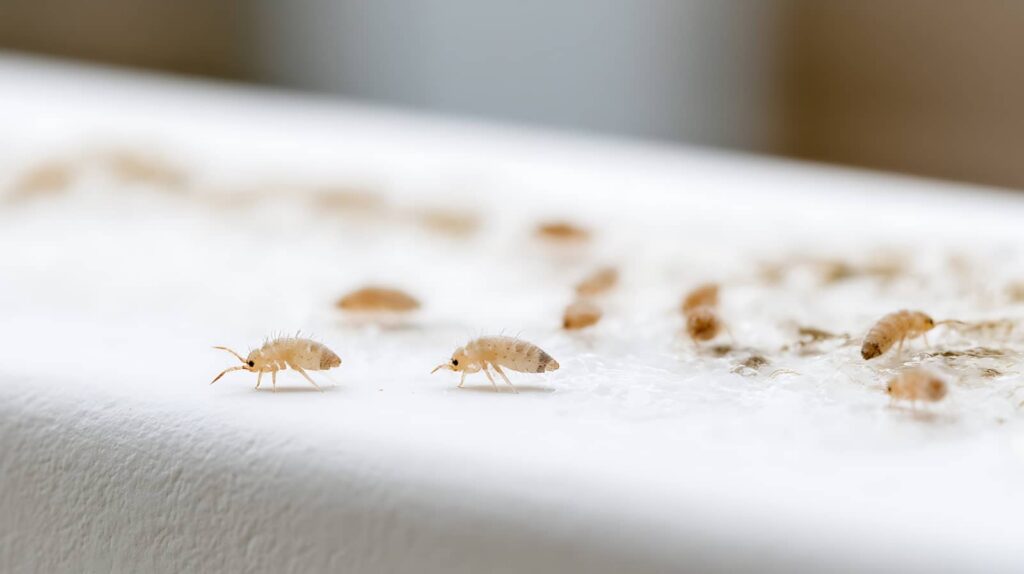
When you spot a cluster of springtails on a damp basement floor, it’s like finding smoke before the fire: the insects aren’t the cause, they’re a signal. You usually get them when moisture, decaying organic matter, and poor drainage create stable breeding conditions. Leaks, wet soil, and heavy rain can push them indoors through small gaps. But the first place they settle often reveals the real source.
Key Takeaways
- Springtails are caused by excess moisture, humidity, and decaying organic debris that provide ideal survival conditions.
- Damp soil, wet mulch, and poorly drained outdoor areas attract springtails and support large populations.
- Cracks, gaps, and foundation openings let springtails move indoors from surrounding soil.
- Leaks, condensation, and poor ventilation create humid indoor spaces that draw springtails into bathrooms, kitchens, and basements.
- Heavy rain and flooding can displace springtails from outdoor habitats, pushing them into homes.
What Causes Springtail Infestations
Springtail infestations usually begin when moisture and organic debris create favorable conditions for survival and reproduction.
You’ll often see them where humidity stays high, soil remains damp, and decaying plant material accumulates. These environmental factors support springtail behavior because the insects feed on fungi, algae, and decomposing matter, then gather in large numbers where food and moisture persist.
You may notice higher activity after rain, around leaky pipes, mulched beds, or poorly drained areas. Temperature also influences reproduction, with mild conditions encouraging faster population growth.
When these variables align, springtails multiply quickly and become more visible. Understanding these causes helps you identify the conditions that favor infestations and address them before colonies expand.
Why Springtails Enter Homes
When indoor conditions mirror their preferred habitat, springtails move inside to seek moisture, shelter, and food. You may see this pattern when environmental triggers shift outdoors and springtail behavior follows stable humidity gradients, shaded entry points, and organic debris.
You’re not seeing random movement; you’re seeing a species responding to measurable cues.
- Cracks and gaps offer access
- Mulch and soil near foundations guide entry
- Stored plant material attracts foraging
- Lighted, protected spaces can concentrate activity
- Indoor surfaces can hold organic particles
These insects don’t target people; they exploit conditions that match their biology.
If your home offers refuge, they’ll enter, cluster, and persist until the environment changes.
Why Moisture Brings Springtails Indoors
Moist conditions pull springtails indoors because these insects need high humidity to survive and move effectively.
You create favorable conditions when bathrooms, kitchens, basements, and crawl spaces retain excess water. Leaks, condensation, damp soil near foundations, and poor ventilation raise indoor humidity, which helps springtails avoid desiccation.
They also gather near moisture sources such as drains, wet mulch, and soaked building materials because those sites support their soft bodies and feeding habits.
If you keep relative humidity lower and remove standing water quickly, you reduce their access to suitable habitat.
You’re not alone in facing this issue; many homes develop the same pattern. Consistent drying, repair, and ventilation make your space far less attractive to springtails.
How Rain Drives Springtails Inside
Heavy rainfall can push springtails indoors by flooding outdoor habitats and saturating soil, mulch, and leaf litter around your foundation.
You’ll see springtail behavior shift as environmental factors reduce oxygen and surface stability, so they move toward drier, protected spaces. Rain also disperses colonies, raising local density and increasing the chance that you’ll notice them inside after storms.
- Saturated ground limits normal movement
- Flooding displaces small surface dwellers
- Moist debris supports rapid migration
- Dense populations spill into sheltered areas
- Indoor dryness attracts escaped individuals
When you understand these patterns, you can better recognize why your home feels like the nearest refuge.
Springtails aren’t seeking you; they’re following moisture gradients that favor survival.
Common Entry Points Around Your Home
You can often find springtails entering through cracks in foundations, where moisture and small openings provide access from the soil.
They also move inside through gaps around windows, especially when seals are worn or moisture collects nearby.
Inspecting and sealing these entry points can reduce indoor infestations.
Cracks in Foundations
Cracks in a foundation give springtails a direct route into a home, especially when those openings connect to damp soil or moisture-damaged materials. You can reduce this risk by sealing fissures and correcting foundation leaks quickly.
Small gaps often persist because soil movement and water pressure stress structural integrity over time.
- Inspect basement walls after heavy rain.
- Seal visible cracks with appropriate masonry products.
- Repair plumbing or drainage issues that wet the slab.
- Reduce standing water near the perimeter.
- Keep indoor humidity low to limit attraction.
When you act early, you protect your home’s barrier and help your household stay comfortable.
Springtails don’t need much space; even hairline openings can support entry if moisture remains available.
Gaps Around Windows
Small gaps around windows can let springtails move indoors, especially when frames sit next to damp siding, rotting trim, or condensation-prone surfaces.
You may notice them most after rain, when moisture collects along exterior edges and your window seals weaken. These insects don’t chew wood, but they exploit openings that give them shelter and access to humidity.
If you inspect caulking, weatherstripping, and screen fit, you can reduce entry pressure quickly. Keep sill areas dry, repair damaged trim, and maintain intact pest barriers around frames.
When you seal gaps tightly, you lower indoor moisture access and make your home less inviting to springtails. That approach helps you protect your space and stay comfortable with the people and routines you rely on.
Where Springtail Infestations Start First?
Springtail infestations usually start in damp, organic-rich areas where moisture stays high, such as basement floors, crawl spaces, potted plant soil, mulch beds, and around leaky plumbing or foundation seepage.
You’ll usually find them first where soil conditions stay cool, shaded, and consistently wet. In homes and urban gardens, these microhabitats support fungal growth, which springtails feed on.
- Saturated potting mixes
- Leaf litter and mulch layers
- Cracks near drains
- Condensation zones
- Poorly drained soil
If you share spaces with these conditions, you’re in the right environment for springtails to establish. They don’t need much; they need persistent moisture, decaying organic matter, and shelter.
Reducing dampness at the source limits their first foothold and helps protect your shared living spaces.
Signs You Have a Springtail Problem
You may notice visible springtail clusters on damp surfaces, especially near windows, sinks, drains, or basement floors.
These insects often concentrate where moisture remains high, so persistent wet spots can indicate a problem.
If you see repeated تجمعs in the same areas, you’re likely dealing with an active springtail presence.
Visible Springtail Clusters
When springtail numbers rise, they often gather in visible clusters along damp surfaces, creating one of the clearest signs of an infestation. You can use springtail behavior and cluster identification to confirm the insects you’re seeing.
- Small, moving specks
- Tight groups near edges
- Rapid, synchronized movement
- Pale, gray, or dark bodies
- Repeated appearance in the same zone
These clusters usually form where the insects rest, feed, and shelter from disturbance. If you see them in groups instead of as isolated individuals, your space likely supports active springtail activity.
You’re not alone in noticing this pattern; many people spot it first. Careful observation helps you distinguish true clusters from dust or debris, making early detection more reliable.
Moisture Trouble Spots
Damp corners, leaking plumbing, and poorly ventilated crawl spaces often create the moisture trouble spots that springtails need to survive and multiply.
You can identify these areas by checking under sinks, around foundation cracks, near sump pumps, and beside wet potting soil. If you see persistent condensation, peeling paint, or damp organic debris, you’ve likely found active moisture sources.
Springtails thrive where humidity levels stay high, especially indoors after rain or plumbing failures. You may also notice them gathering on bathroom floors, basement walls, or window frames.
Reducing moisture quickly helps your home feel more stable and less inviting to pests. Fix leaks, improve airflow, and dry out saturated materials so your space stays healthier and your household stays protected.
How to Get Rid of Springtails Indoors
Start by eliminating the moisture that attracts springtails, since these insects can’t survive long in dry indoor conditions. Use indoor moisture management to lower humidity below 60 percent, dry sinks, and repair leaks promptly.
Then apply springtail control methods that target hidden harborage areas, such as floor drains and damp window frames. You’ve got this, and a systematic approach helps you restore comfort.
- Run exhaust fans during showers and cooking.
- Ventilate basements and crawl spaces.
- Remove wet mats, towels, and cardboard.
- Vacuum visible springtails and discard the bag.
- Use desiccating dusts only in dry crevices.
If activity stays high, inspect potted plants, plumbing, and exterior entry points for persistent dampness.
How to Prevent Springtail Infestations
Preventing springtail infestations means removing the conditions they need to survive and reproduce. You should lower indoor humidity below 60%, fix leaks quickly, and improve ventilation in bathrooms, basements, and crawl spaces.
Seal cracks around foundations, pipes, and windows so moisture and pests can’t enter. Use habitat modification by clearing leaf litter, mulch buildup, and decaying plant material near the home, because these sites support springtail breeding.
Keep soil and compost away from exterior walls. If you need extra help, apply natural repellents such as cedar oil or neem-based products to damp entry areas.
When you act early and stay consistent, you protect your space and help your household feel secure, informed, and in control together.
Frequently Asked Questions
Can Springtails Bite People or Pets?
No, you won’t get bitten by springtails; they don’t feed on people or pets. Their springtail behavior keeps them in moist springtail habitats, where they eat mold and decaying matter, not skin.
Do Springtails Damage Furniture or Clothing?
You don’t need to worry much: springtails rarely damage furniture or clothing. Their springtail behavior favors damp, decaying material, and springtail habitats usually stay outdoors or in moisture-rich spots, not fabrics or finished wood.
How Long Do Springtail Infestations Usually Last?
Springtail infestations usually last weeks to months, until you change environmental conditions and break the springtail lifecycle. You’ll often see them fade once moisture drops, food sources decrease, and indoor humidity stays low.
Are Springtails a Sign of Hidden Mold?
Yes, springtails can indicate hidden mold. Like lanterns in a dark cellar, they reveal damp springtail habitats where decay thrives. You’ll often find a mold connection in wet walls, leaks, or organic debris nearby.
Should I Call a Pest Control Professional for Springtails?
Yes, you should call a pest control professional if you see recurring infestation signs. They’ll assess moisture sources, confirm springtails, and guide springtail prevention. You’ll protect your home and join neighbors who manage pests effectively.
Review
Springtail infestations usually begin where moisture, organic debris, and poor drainage meet. When you reduce dampness, seal entry points, and remove decaying material, you remove the conditions that let them multiply. Rain, leaks, and humid soil can push them indoors, but dry, clean, well-ventilated spaces make survival difficult. Think of moisture as the fuel springtails need; cut that fuel off, and you stop the infestation at its source.
Recent Posts
Mouse Droppings vs Rat Droppings: Identify Your Intruder
You may not know that droppings can tell you more than just whether rodents are
What Attracts Mice to a Clean House? 7 Surprising Culprits
Some homes report some mouse activity each year, and even a spotless house can still
How Do Exterminators Get Rid of Mice? A Look Inside the Process
When you call an exterminator for mice, the process starts with a careful inspection to