Contents
When dealing with indoor pest infestations, choosing effective extermination techniques is essential for your home’s health. You might not realize the potential risks that pests like cockroaches and rodents pose to your family and pets. Professional exterminators offer tailored solutions that prioritize safety and long-term prevention. Understanding the intricacies of these methods can greatly impact your living environment and overall quality of life. But what factors should you consider before making a decision?
Key Takeaways
- Indoor insect extermination techniques provide effective solutions to eliminate pests, ensuring a healthier living environment for families and pets.
- Professional exterminators use safe chemical practices, minimizing risks while targeting infestations effectively.
- Integrated Pest Management (IPM) emphasizes prevention and eco-friendly methods, promoting sustainable pest control without harming beneficial insects.
- Regular inspections and maintenance help identify pest issues early, reducing the risk of extensive damage and costly repairs.
- DIY methods can be cost-effective, but recognizing when to seek professional help ensures lasting solutions for pest control.
Understanding Indoor Pest Infestations
Understanding indoor pest infestations is essential because they can quickly escalate from a minor annoyance to a major problem. To effectively manage these issues, you need to grasp pest behavior and the common infestation triggers.
Pests often seek food, water, and shelter, so monitoring these elements in your home is vital. For example, crumbs on the floor or leaky pipes can attract pests, leading to an infestation.
Recognizing the signs of pest activity, like droppings or unusual noises, helps you act swiftly. By understanding their behavior, you can anticipate their movements and prevent further issues.
Remember, pests thrive in environments that provide them with the resources they need. By eliminating these triggers—sealing entry points, maintaining cleanliness, and controlling moisture—you can greatly reduce your risk of an infestation.
This proactive approach fosters a sense of safety and belonging in your living space, ensuring it remains pest-free.
Benefits of Professional Extermination Services
When you choose professional extermination services, you gain access to expert knowledge and skills that are essential for effectively tackling infestations.
These professionals utilize safe chemical practices, ensuring your environment remains protected while addressing pest issues.
Additionally, their strategies focus on long-term pest prevention, helping you avoid future problems and maintain a pest-free space.
Expert Knowledge and Skills
While you may be tempted to handle pest problems on your own, the expertise of professional exterminators offers significant advantages that can save you time and ensure effective results. Their deep understanding of pest biology and treatment techniques means they can identify the pests and the underlying issues causing infestations.
| Expertise | Benefits | Outcomes |
|---|---|---|
| Pest Biology | Targeted solutions | Reduced infestations |
| Treatment Techniques | Safe application | Long-term prevention |
| Experience | Efficient methods | Peace of mind |
Safe Chemical Use
Professional extermination services prioritize safe chemical use, ensuring that treatments effectively eliminate pests without posing risks to you, your family, or pets.
These experts adhere to stringent chemical safety guidelines, utilizing only approved products that minimize environmental impact.
By employing advanced pesticide application techniques, they target infestations precisely, reducing chemical exposure while maximizing efficacy.
You’ll benefit from their specialized knowledge, as they can identify the most suitable methods tailored to your specific situation.
This enhances safety and fosters peace of mind, allowing you to regain comfort in your home.
Choosing professional exterminators means you’re investing in a safer living environment, where effective pest control doesn’t compromise the well-being of your loved ones.
Long-term Pest Prevention
Although many homeowners attempt DIY pest control, relying on professional extermination services offers significant advantages for long-term pest prevention.
Experts understand pest behavior in depth, allowing them to identify and address the root causes of infestations. This knowledge enables targeted treatments that eliminate current pests and deter future invasions.
Additionally, professionals employ environmentally responsible methods that minimize harmful impacts on your home and surrounding ecosystem.
They utilize advanced techniques and integrated pest management strategies, ensuring that the solutions used are both effective and sustainable.
By investing in professional services, you’re solving today’s problems and fostering a healthier living environment for the long haul.
Embrace the peace of mind that comes with expert pest management, and enjoy a pest-free home.
Common Indoor Pests and Their Risks
Indoor spaces often become havens for various pests, each posing unique risks to health and property.
Cockroaches can carry diseases, exposing you to serious health risks through their droppings.
Rodent health risks include contamination of food and potential transmission of illnesses like hantavirus.
Termite damage can silently destroy your home’s structure, leading to costly repairs.
Mosquito breeding in stagnant water can heighten the threat of diseases like West Nile virus.
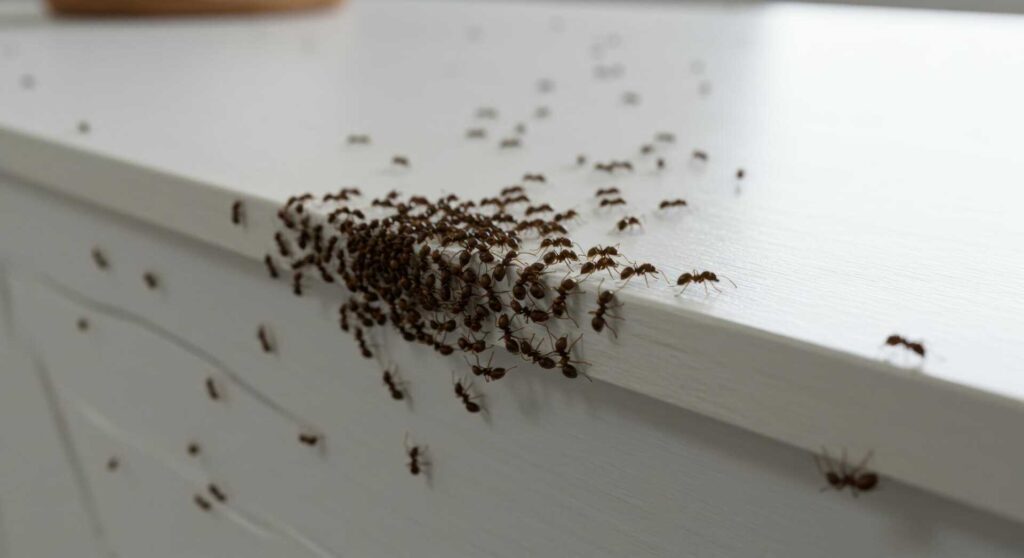
Ant infestations often lead to food contamination, while bedbug bites can disrupt your sleep and cause skin irritation.
Additionally, spider venom can be harmful, especially to children or pets.
Wasp stings can lead to severe allergic reactions.
Understanding these threats allows you to take proactive measures, ensuring a safer indoor environment for you and your loved ones, while also fostering a sense of community well-being.
Integrated Pest Management Techniques
Integrated Pest Management (IPM) focuses on a holistic approach to pest control that emphasizes prevention strategies, monitoring pest activity, and utilizing eco-friendly control methods.
You’ll find that implementing these techniques reduces pest populations and minimizes environmental impact.
Prevention Strategies Implementation
While many people focus solely on extermination when dealing with pests, implementing effective prevention strategies through Integrated Pest Management (IPM) can considerably reduce the likelihood of infestations.
By understanding pest behavior through analysis and committing to proactive maintenance, you can create an environment that’s less inviting to unwanted guests.
Here are three key strategies to evaluate:
Seal Entry Points: Inspect and seal cracks or gaps around windows, doors, and foundations to prevent entry.
Maintain Cleanliness: Regularly clean spaces, particularly kitchens, to eliminate food sources.
Monitor Moisture Levels: Address leaks and humidity issues, as many pests thrive in damp conditions.
Monitoring Pest Activity
To effectively manage pest populations, monitoring their activity is essential, as it allows you to identify issues before they escalate into infestations.
By observing pest behavior and their activity patterns, you can pinpoint hotspots and determine the best course of action. Regular inspections help you recognize signs of infestation, such as droppings or damage, which can indicate specific pest types and their behaviors.
Utilizing traps or bait stations provides valuable data on pest movement, enabling you to track their populations over time. This proactive approach fosters a sense of community awareness and empowers you to take informed steps in pest management.
Eco-friendly Control Methods
Adopting eco-friendly control methods, also known as Integrated Pest Management (IPM), ensures that pest management is both effective and sustainable.
By utilizing IPM, you align with a community focused on responsible living.
Here are three essential components of eco-friendly pest control:
Natural Pesticides: You can use plant-based solutions that minimize harm to beneficial insects and the environment.
Sustainable Practices: Implementing practices like crop rotation and habitat manipulation reduces pest populations without harmful chemicals.
Regular Monitoring: Keeping a close eye on pest activity helps you respond quickly, ensuring that interventions are necessary and effective.
Safe and Eco-Friendly Extermination Options
As you consider your options for pest control, safe and eco-friendly extermination methods offer effective alternatives that minimize harm to both your home environment and the ecosystem. You can choose from a variety of natural repellents and organic pesticides that effectively target pests without compromising safety.
| Method | Description |
|---|---|
| Essential Oils | Natural extracts that deter pests. |
| Diatomaceous Earth | A natural powder that kills insects. |
| Neem Oil | An organic pesticide that disrupts pest life cycles. |
| Soap Sprays | Effective against soft-bodied insects. |
These options protect your space and resonate with your commitment to sustainability. By opting for these eco-friendly solutions, you’re making a conscious choice that aligns with your values and fosters a healthier environment for your family. Embrace these methods, and you’ll contribute to a more balanced ecosystem.
Importance of Regular Inspections and Maintenance
While many homeowners focus on immediate pest control solutions, neglecting regular inspections and maintenance can lead to bigger problems down the line.
By committing to routine checks and adhering to maintenance schedules, you can effectively prevent infestations before they escalate. Here’s why it matters:
Early Detection: Regular inspections help you identify potential pest entry points and breeding grounds, allowing you to take action before a larger invasion occurs.
Cost Efficiency: Maintenance schedules reduce the risk of extensive damage, which can be costly to repair. Addressing issues early saves you money in the long run.
Peace of Mind: Knowing your home is regularly checked for pests fosters a sense of security and comfort, making your living environment more enjoyable.
Incorporating these practices into your home care routine protects your space and enhances your quality of life.
DIY Extermination Methods: Pros and Cons
When considering DIY extermination methods, it’s vital to weigh both their advantages and drawbacks.
On one hand, home remedies often offer cost-effective solutions, allowing you to tackle infestations without breaking the bank. You might find satisfaction in using natural ingredients like vinegar or essential oils, which can be safer for your family and pets.
However, a thorough cost analysis reveals that while initial expenses may be low, the time and effort required can add up, especially for persistent infestations.
On the downside, DIY methods may not provide the same effectiveness as professional treatments. If you misidentify the pest or underestimate the severity of the problem, you could waste valuable time and resources.
Ultimately, while DIY extermination methods can foster a sense of community and self-reliance, it’s important to recognize when professional help may be more prudent for a lasting solution.
Identifying Signs of Infestation Early
Early detection of an infestation can be essential in preventing a minor problem from escalating into a major headache.
By recognizing early signs of pest behavior, you can take immediate action to protect your home.
Here are three key indicators to watch for:
Droppings: Finding small, dark droppings in corners or on surfaces hints at rodent or insect activity.
Damage: Look for gnaw marks on wood, chewed wires, or holes in walls—these can signal larger infestations.
Unpleasant Odors: Foul smells often accompany pests; a musty or decaying scent can indicate a serious issue.
The Role of Exclusion in Pest Control
Exclusion plays an essential role in effective pest control by preventing insects from entering your space.
By sealing entry points and implementing effective barrier strategies, you can considerably reduce the likelihood of infestations.
Long-term exclusion benefits maintain a pest-free environment and lower the need for chemical treatments.
Importance of Sealing Entry Points
While many people focus on treating existing infestations, sealing entry points is essential in preventing pests from entering your home in the first place.
Using effective entry point strategies protects your living space and fosters a sense of community by promoting a pest-free environment.
Here are three key sealing techniques to implement:
Inspect and Repair: Regularly check windows, doors, and vents for gaps or cracks that pests could exploit.
Use Weather Stripping: Apply weather stripping around doors and windows to create a tight seal that keeps unwanted insects out.
Install Screens: Fit screens on windows and vents to allow airflow while blocking pests from accessing your home.
Effective Barrier Strategies
Sealing entry points is just the beginning of safeguarding your home against pests. To effectively deter unwanted invaders, you must implement robust barrier techniques.
Start by inspecting windows, doors, and vents for gaps and cracks. You’ll want to use weather stripping and caulk to eliminate these potential pest entry points. Additionally, make certain that screens are intact and fit snugly, preventing insects from sneaking inside.
Pay attention to utility lines and plumbing; seal any holes where these enter your home. By creating a strong physical barrier, you greatly reduce the chances of pest entry, fostering a healthier living environment.
Long-term Exclusion Benefits
Implementing long-term exclusion strategies prevents pest infestations and enhances the overall quality of your living environment.
By focusing on preventive measures, you can create a home that’s pest-free and healthier for you and your loved ones.
Here are three key benefits of exclusion:
Sustainable Practices: By sealing entry points and maintaining cleanliness, you reduce reliance on chemical treatments, promoting a safer ecosystem.
Cost Efficiency: Investing in exclusion now means fewer expenses later on, as you’ll avoid repeated pest control services.
Peace of Mind: Knowing your home is protected from pests allows you to relax and enjoy your space, fostering a sense of belonging.
Embracing these strategies ensures a long-lasting solution for your pest control needs.
Cost-Effectiveness of Indoor Extermination Solutions
How can you ensure that you’re making a financially sound choice when it comes to indoor insect extermination solutions? It’s crucial to weigh your options through a cost comparison that aligns with your budget considerations. Here’s a breakdown of typical costs associated with indoor extermination:
| Solution Type | Average Cost (USD) |
|---|---|
| DIY Methods | $20 – $100 |
| Professional Services | $150 – $500 |
| Eco-Friendly Options | $100 – $400 |
| Long-Term Contracts | $300 – $1,000 |
Choosing the right solution impacts your wallet and your peace of mind. DIY methods may save money short-term, but professional services offer expertise and lasting results. Evaluating these factors ensures you choose an effective approach that fits your financial strategy. Ultimately, investing wisely in extermination can maintain a pest-free environment while fostering a sense of community in your home.
Final Thoughts
In choosing indoor insect extermination techniques, you’re not just addressing a pest problem; you’re reclaiming your home’s sanctuary. Think of it as tending to a garden – with the right tools and care, you cultivate a safe, healthy environment. By opting for professional services and integrated pest management, you’re planting the seeds for long-term protection and peace of mind. Don’t let pests take root; take proactive steps today, and watch your home flourish in comfort and safety.
Recent Posts
Eliminate Earwigs From Your Garden Easily
If you’re dealing with earwigs in your garden, you’re not alone. These pests can wreak
Top Solutions for Indian Meal Moth Infestations
The pantry can be a battleground against the silent invader known as the Indian meal
What Are Top Treatments for Indian Meal Moths?
When it comes to managing the unwelcome presence of Indian meal moths, you’ll find that