
Contents
If you’ve noticed tiny moths fluttering around your kitchen or found webbing in your food, it’s vital to address the issue of Indian meal moths promptly. These pests can quickly compromise your dry goods, leading to more than just spoiled food. Understanding their impact on your health and home is essential for maintaining a safe environment. Let’s explore the signs of infestation and the health risks they pose, so you can take action before it’s too late.
Key Takeaways
- Indian meal moths contaminate food, leading to spoilage and waste that can affect your household budget.
- Infestations can trigger allergic reactions and respiratory issues, impacting the health of family members.
- Prompt treatment prevents rapid population growth, as female moths can lay hundreds of eggs quickly.
- Effective management protects your pantry from further contamination and ensures food safety.
- Regularly addressing infestations fosters better hygiene practices in your home, promoting overall well-being.
Understanding Indian Meal Moths
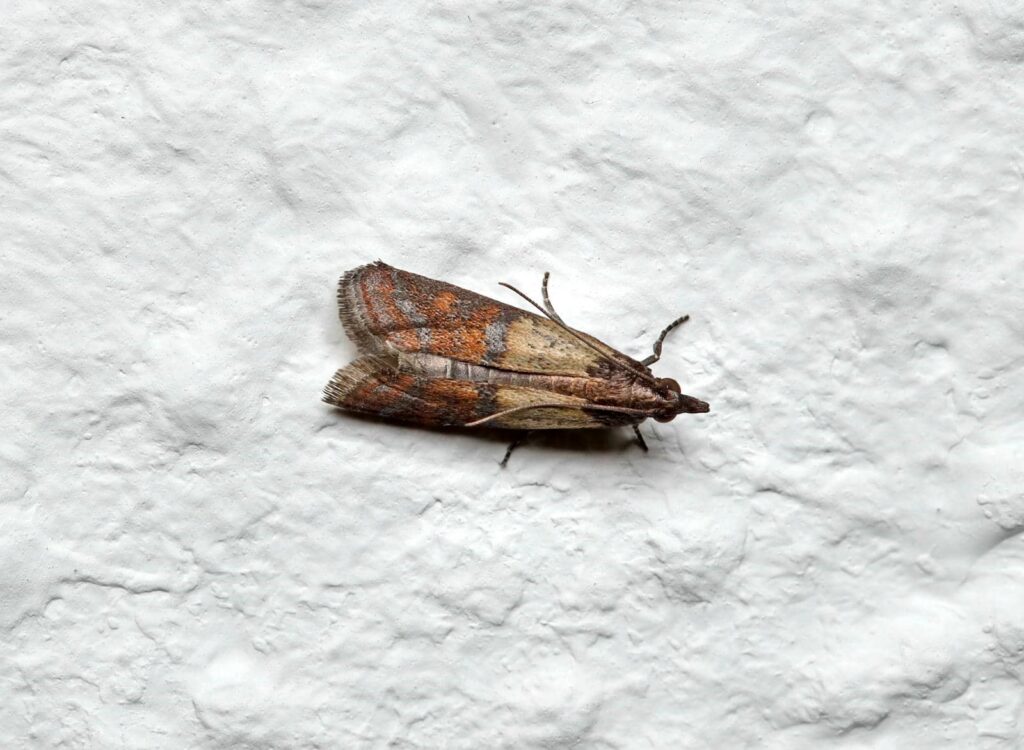
Understanding Indian Meal Moths is essential if you want to effectively manage these common pantry pests.
These moths undergo a distinct life cycle consisting of four stages: egg, larva, pupa, and adult. The larvae are notorious for their destructive behavior, feeding on grains, nuts, and dried fruits. Their behavior patterns include spinning webs and leaving behind frass, which can contaminate your food supplies.
Adult moths are primarily nocturnal, often flying around lights, while the females can lay hundreds of eggs in a short time, leading to rapid infestations.
By recognizing their life cycle and behavior patterns, you can take proactive steps to minimize their presence in your home. Understanding these aspects equips you to combat infestations effectively and fosters a sense of community among those dealing with similar pest challenges.
You’re not alone in this; many share the same goal of maintaining a pest-free pantry.
Signs of Infestation
Detecting signs of an Indian meal moth infestation early can save you from a larger problem down the line. Look for infestation indicators like webbing, small larvae, and adult moths flying around your pantry.
These pests often hide in dry goods, so perform a thorough damage assessment of products such as flour, grains, and cereals. If you see clumped food or webbing inside containers, it’s a clear sign that moths are present.
Additionally, check corners, shelves, and even light fixtures for moths resting. Pay attention to your food items: any odd smells or off textures could signal more than just a storage issue.
Health Risks Associated With Indian Meal Moths
Ignoring the presence of Indian meal moths can lead to more than just spoiled food; it can also pose health risks for you and your family. These pests can cause food contamination, as they lay eggs in your grains and pantry items.
When you unknowingly consume infested food, you might expose yourself to allergens that can result in allergic reactions. Symptoms can range from mild irritation to severe respiratory issues, particularly for those with pre-existing conditions.
Furthermore, the presence of these moths can indicate poor hygiene or food storage practices, creating an unwelcoming environment in your home. This can affect your health and your family’s overall well-being.
Effective Treatment Methods
To effectively treat Indian meal moths, you’ll want to take into account using traps and pheromones alongside thorough cleaning methods.
These approaches help eliminate existing infestations and play an essential role in preventing future occurrences.
Traps and Pheromones
Many homeowners find traps and pheromones to be highly effective methods for managing Indian meal moth infestations.
Pheromone traps attract male moths using synthetic scents that mimic female pheromones, disrupting their mating cycle. By placing these traps in areas where you’ve noticed moth activity, you can greatly reduce the population over time.
Additionally, sticky traps can capture both adult moths and other pests, providing a visual indication of your infestation level. These traps are easy to use and require minimal maintenance, making them a practical choice for busy households.
Cleaning and Prevention
While traps and pheromones play a crucial role in managing Indian meal moths, effective cleaning and prevention strategies are essential to eliminate these pests and prevent future infestations.
Start by thoroughly cleaning your pantry and storage areas using appropriate cleaning supplies, paying close attention to corners and crevices where eggs might hide. Dispose of any infested food items, and vacuum regularly to remove larvae and debris.
Seal food in airtight containers to deter moths from accessing them. Implement pest prevention measures like maintaining low humidity and checking for cracks or gaps in your home.
Preventative Measures to Avoid Infestations
To prevent Indian meal moth infestations, you need to focus on proper food storage, regular cleaning habits, and inspecting pantry items.
Storing food in airtight containers and routinely cleaning your pantry can considerably reduce the risk of attracting these pests.
Additionally, regularly checking for signs of infestations in your food products helps catch problems early.
Proper Food Storage
Proper food storage is essential in preventing infestations of Indian meal moths, which can quickly turn a pantry into a breeding ground for pests.
By following these steps, you can create a barrier against these unwanted guests:
Use airtight storage containers: Opt for glass, plastic, or metal containers to keep food sealed and secure.
Choose proper food packaging: When buying items, select products with strong packaging that resists pests.
Store grains and cereals in a cool, dry place: This minimizes moisture, which attracts moths and encourages breeding.
Regular Cleaning Habits
Regular cleaning habits play an essential role in preventing infestations of Indian meal moths, as neglecting your pantry can create an inviting environment for these pests.
Establishing consistent cleaning routines is key to maintaining kitchen hygiene. Start by regularly wiping down pantry shelves and surfaces with a suitable cleaner to eliminate food residues and potential egg deposits.
Don’t forget to vacuum any crumbs that may accumulate in hard-to-reach areas. Make it a point to clean out expired or suspicious items promptly, as they can attract pests.
Additionally, organizing your pantry can help you keep track of your food items, making it easier to identify any potential issues before they escalate.
Your diligence in cleaning can foster a pest-free environment.
Inspect Pantry Items
Inspecting pantry items is an essential step in preventing infestations of Indian meal moths.
Regular food examination helps you catch potential problems early and maintain a pest-free environment.
Follow these steps during your pantry inspection:
Check packaging: Look for any signs of damage or holes in bags and containers; this can indicate a potential entry point for moths.
Examine dry goods: Inspect cereals, grains, and flours for webbing or larvae—these are clear signs of infestation.
Clean shelves: Remove all items and vacuum the shelves; this removes potential eggs and keeps your pantry organized.
When to Call a Pest Control Professional
If you’re struggling to manage an infestation of Indian meal moths despite your best efforts, it may be time to call a pest control professional.
Sometimes, DIY methods fall short, especially if the infestation is widespread or persistent. Professional help can provide targeted solutions that ensure these pests are eliminated effectively.
Consider reaching out if you’ve noticed a significant increase in moth activity, found larvae in multiple pantry items, or if your attempts at cleaning and organizing haven’t yielded results.
Pest control experts have access to specialized tools and treatments that go beyond what’s available to the average homeowner.
Additionally, they can identify potential entry points and advise on preventive measures to protect your home in the future.
Recap
In the battle against Indian meal moths, don’t let these tiny invaders turn your pantry into a war zone. By understanding their habits and recognizing the signs of an infestation, you can swiftly protect your food and health. Implement effective treatment methods and preventative measures, and you’ll create a fortress against these pests. If the situation escalates, don’t hesitate to call in the cavalry—professional pest control—to reclaim your kitchen and restore peace to your home.
Recent Posts
Top Solutions for Indian Meal Moth Infestations
The pantry can be a battleground against the silent invader known as the Indian meal
What Are Top Treatments for Indian Meal Moths?
When it comes to managing the unwelcome presence of Indian meal moths, you’ll find that
Top Spider Control Techniques for Your Home
When it comes to keeping spiders out of your home, understanding their behavior is vital.