
Contents
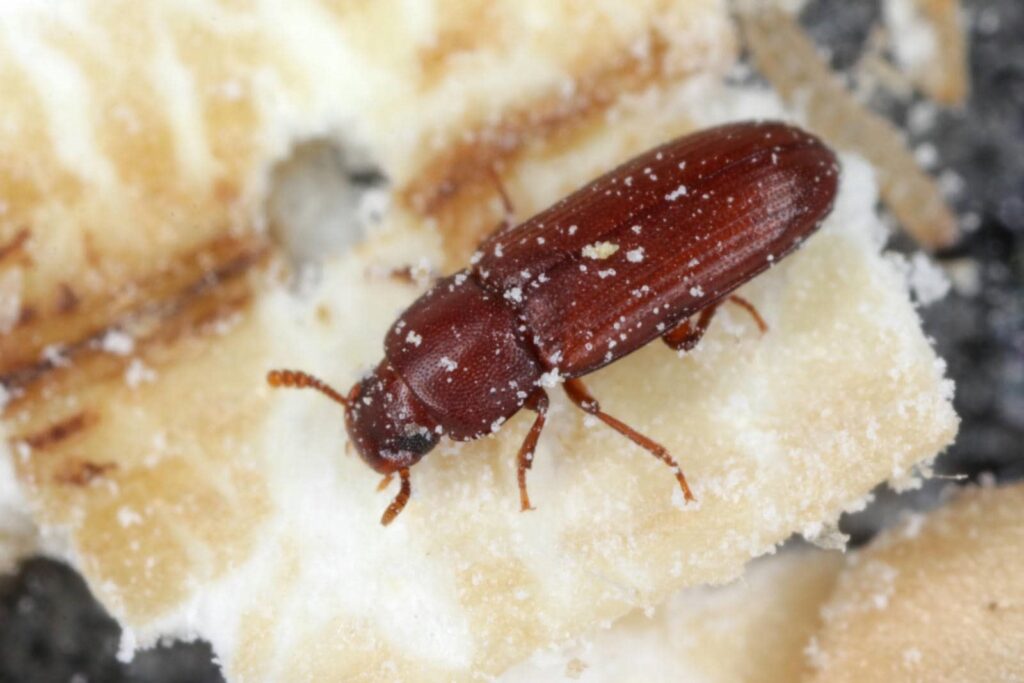
Red flour beetle infestations start in stored dry goods, so you need a service that can trace the source fast. You’ll want a technician who inspects hidden breeding sites, treats both adults and larvae, and documents every finding. The right exterminator also builds a sanitation plan that reduces food risks and repeat outbreaks, but not every provider handles those details the same way.
Key Takeaways
- Look for exterminators that identify red flour beetles in pantry seams, flour bags, cereal boxes, and other dry-food storage areas.
- Choose services that inspect cracks, warm storage spots, and hidden harborages using lights, magnification, and probing tools.
- Prefer treatments combining sanitation, sealing entry points, localized baiting, and monitoring devices for effective knockdown and follow-up.
- Compare providers that help dispose of contaminated food, deep-clean shelves, and prevent reinfestation with airtight storage recommendations.
- Request written estimates, verify licensing, and confirm the plan targets both adult beetles and hidden larvae safely.
Signs You Need Red Flour Beetle Control Now
Wondering whether red flour beetles have moved past a minor nuisance? You can spot infestation symptoms when beetles keep reappearing in pantry seams, flour bags, cereal boxes, or on shelving despite cleanup.
You may notice fine powder, webbed crumbs, damaged packaging, or a stale odor around dry goods. If you see live adults or rust-colored larvae during daylight, the population likely isn’t isolated.
You should treat repeated sightings as a control trigger, especially when food contamination starts spreading between containers.
Take immediate actions: seal affected products, discard compromised food, vacuum cracks, and clean storage surfaces with care.
Then contact a qualified pest service so you’re not managing this alone. Rapid response helps you protect your kitchen, reduce losses, and regain a safe, trusted storage space.
How Pros Find Breeding Sites
You’ll see pros inspect hidden cracks, seams, and voids where red flour beetles can shelter and reproduce.
They’ll trace food sources back to infested flour, grain, or packaging residue to identify the primary breeding point.
They’ll also check warm storage areas, since steady heat can accelerate development and support ongoing infestation.
Inspect Hidden Cracks
Tiny fissures can hide a major red flour beetle problem. You need disciplined crack detection to expose hidden infestations before they spread.
Pros inspect baseboards, cabinet seams, wall joints, floor gaps, utility penetrations, and storage-edge fractures with bright lights and magnification. They use thin probes, dust-free vacuums, and inspection mirrors to confirm shelter points without stirring debris.
- Check corners where grain dust settles
- Examine gaps around trim and molding
- Look behind appliances and shelving
- Inspect cracks near doors and windows
- Note fine frass or shed skins
When you belong to a pest-control plan, this level of detail matters.
You’ll see how experts map access routes, rank harborage zones, and target treatment precisely, so your space stays controlled and beetles lose their foothold.
Trace Food Sources
Pros don’t guess at breeding sites; they trace the food chain that keeps red flour beetles reproducing. You’ll see pros map every grain spill, flour dusting, and damaged package to pinpoint where adults feed and lay eggs.
They inspect pantry edges, pallet seams, and product transfer points, then document signs of food contamination that reveal active movement. By comparing the most affected items with nearby storage zones, they identify the source rather than treating only the visible beetles.
You benefit because this approach cuts pest attraction at its root and helps you protect shared storage spaces, inventory, and trust. When you work with a skilled team, you get a clear breeding-site profile, targeted removal, and faster control without unnecessary disruption.
Check Warm Storage
Warm storage zones often reveal red flour beetle activity because heat speeds up breeding cycles and draws pests to cereal, flour, and feed products. You should inspect warm storage with a thermometer, then map any area above 75°F, since those pockets can support rapid reproduction.
Look for cracked bins, wall voids, motor housings, and grain dust where adults hide and eggs accumulate.
- Check pallet stacks near heaters.
- Inspect bag seams and torn packaging.
- Sample spilled product beneath conveyors.
- Review aeration gaps and insulation failures.
- Seal leaks to support pest prevention.
When you target warm storage first, you narrow breeding sites quickly and help your team act with confidence. Pros use this method to stop infestations before they spread through shared storage systems.
How Pros Treat Red Flour Beetles
When red flour beetles show up in stored food areas, technicians first inspect infested products, nearby cracks, and hidden harborages to confirm the source and scope of the problem.
They map the red flour beetle lifecycle, so you understand where eggs, larvae, pupae, and adults cluster.
Then they target sanitation gaps, seal entry points, and apply effective baiting strategies in localized zones where beetles forage.
You’ll also see monitoring devices placed to measure pressure and verify knockdown.
Pros adjust treatment based on temperature, moisture, and commodity type, because those factors shape activity and reproduction.
This approach helps you stay ahead of reinfestation and keeps your facility aligned with a crew that knows how to control beetles precisely, efficiently, and with minimal disruption.
What a Red Flour Beetle Service Covers
A red flour beetle service typically starts with a full inspection of stored-product areas, packaging zones, and adjacent harborage sites to pinpoint infestation sources and conditions that support activity.
You’ll get a targeted plan that aligns with your facility’s risk profile and helps you stay in control.
- Identify life stages tied to the red flour beetle lifecycle
- Map hot spots with traps and visual checks
- Apply effective baiting techniques where activity concentrates
- Seal access points and reduce spread pathways
- Schedule follow-up monitoring to verify suppression
Your technician should document findings, explain thresholds, and recommend sanitation or exclusion measures that fit your operation.
This approach keeps you informed, supported, and part of a prevention-minded team.
Kitchen and Pantry Control
In kitchens and pantries, red flour beetles typically exploit spilled grains, cracked packaging, and cluttered storage areas, so you’ll need to remove food sources and interrupt access quickly.
You should inspect shelves, bins, and drawers for larvae, adults, and shed skins to support pest identification. Seal cereals, flour, pasta, and pet food in tight containers, and discard any item with holes, webbing, or live insects.
Vacuum crumbs from seams, corners, and shelf edges, then wipe surfaces dry to reduce harborages. Rotate stock using first-in, first-out handling, and keep inventory elevated and organized.
If you share storage with others, coordinate cleaning so everyone follows the same standard. These controls lower food contamination risk and help your space stay pest-aware and sanitary.
Red Flour Beetle Extermination Methods That Work
To eliminate red flour beetles effectively, you should combine sanitation, targeted treatment, and ongoing monitoring so you attack both the infestation and its food sources.
Vacuum cracks, empty infested products, and clean shelving with detergent to remove eggs and larvae.
Then apply one of these focused methods:
- Heat-treat items at 120°F or higher.
- Freeze suspect dry goods for four days.
- Use diatomaceous earth in voids.
- Choose pheromone traps for detection.
- Reserve chemical treatments for labeled crack-and-crevice use.
Natural remedies can help, but they work best when you pair them with precise exclusion and inspection.
If you want results that feel dependable, select methods that match the infestation’s scale, then verify success with repeat checks and disposal of every contaminated package.
How to Prevent Red Flour Beetles From Returning
To keep red flour beetles from returning, you should seal cracks around walls, baseboards, windows, and cabinets to block reentry routes.
Store dry foods in airtight containers and inspect bulk items before you bring them into your pantry.
Keep pantry shelves clean and free of spills, crumbs, and residue so you remove the food sources that support reinfestation.
Seal Entry Points
A few small gaps can let red flour beetles keep reentering your pantry, so you should seal every likely access point. Inspect baseboards, door sweeps, window frames, pipe penetrations, and cabinet seams, then apply durable entry point barriers with caulk, mesh, or weatherstripping.
Use sealing techniques that match the surface: silicone for smooth trim, acrylic-latex for painted gaps, and steel wool plus sealant for larger voids. You’ll protect your space and support a tighter home environment.
- Check for light leaks
- Replace worn door sweeps
- Seal utility openings
- Repair damaged screens
- Reinspect after settling
When you close these routes, you reduce reinfestation pressure and make your pantry feel secure.
Store Dry Foods Properly
Store dry foods in airtight, insect-resistant containers so red flour beetles can’t access flour, cereal, rice, pasta, or pet food after treatment.
You should transfer products from damaged food packaging into rigid bins with tight-fitting lids, then label each container with the contents and purchase date. This lets you track older stock and support pest prevention with organized storage.
Choose containers made from thick plastic, glass, or metal; beetles can exploit thin bags, folded liners, and torn cartons.
Inspect bulk items before you bring them home, because infestations often start in packaging already compromised at the store.
If you store multiple households’ supplies together, keep each item sealed so your pantry stays protected and your whole home stays part of the same defense plan.
Maintain Clean Pantry Spaces
Keep pantry surfaces free of crumbs, spilled flour, and food dust, because red flour beetles can feed on residue left behind after you remove infested products. You should wipe shelves, corners, and can seams weekly, then vacuum edges and cracks.
Strong pantry organization reduces hiding sites and helps you spot new activity early.
- Seal dry goods in airtight containers
- Rotate stock with first-in, first-out food storage
- Remove torn packaging immediately
- Clean under jars and bins
- Inspect labels, lids, and shelf gaps
After cleaning, dry every surface completely; moisture supports pest survival. If you live in a shared home, ask everyone to follow the same routine so your pantry stays protected.
Consistent sanitation makes your space less inviting and helps your household stay in control.
How Much Extermination Costs
How much does red flour beetle extermination cost? You can expect average service costs to range from about $150 to $500 for a standard pantry treatment, though severe infestations may run higher.
Extermination pricing factors include infestation size, the number of rooms affected, required follow-up visits, and whether the technician uses crack-and-crevice sprays, heat, or residual dusts. You’ll usually pay more when stored-food disposal, sanitation support, or monitoring traps are included.
If you live in a multi-unit building, access conditions can also affect the quote. Ask for a written estimate so you and your household can compare service scope clearly. That way, you’ll understand exactly what you’re paying for and can choose a plan that fits your home and budget with confidence.
How to Choose a Red Flour Beetle Exterminator?
When you choose a red flour beetle exterminator, verify that their service methods target both active adults and hidden larvae in stored-food areas.
You should also confirm that they’re licensed to apply pesticides and that they follow labeled-use and food-safety protocols.
Ask for a clear treatment plan so you can compare efficacy, risk, and follow-up requirements.
Service Methods
Choosing a red flour beetle exterminator starts with evaluating the treatment methods they use and whether those methods match the severity of your infestation. You’ll want a provider who explains each step clearly and tailors the plan to your pantry conditions.
- pest identification techniques that confirm the source
- effective baiting strategies for monitoring and suppression
- targeted dusts or residuals for hidden harborages
- sanitation guidance to disrupt food access
- follow-up inspections to verify control
Choose a team that uses measured applications, not blanket treatments, so you stay informed and confident.
You belong with professionals who document findings, adjust tactics, and prioritize precision. That approach helps reduce reinfestation and gives you a clear path back to a protected kitchen.
Licensing And Safety
Before you hire a red flour beetle exterminator, verify that they hold the required state or local pesticide applicator licenses and carry current liability insurance.
You should ask for license numbers, confirm them with the issuing agency, and review whether the company meets all licensing requirements for food-handling or residential sites.
A qualified provider will explain its safety protocols, including product selection, application rates, ventilation controls, and occupant re-entry times.
You belong with a team that documents pesticide labels, uses calibrated equipment, and trains technicians on spill response and personal protective equipment.
Also, request proof of worker’s compensation and ask how they protect stored food, pets, and sensitive surfaces.
Clear records and transparent communication reduce risk and help you choose a precise, compliant exterminator.
When to Schedule Professional Treatment
If you spot red flour beetles in multiple pantry products, catch adults regularly in traps, or notice live insects after cleanup and sanitation, it’s time to schedule professional treatment. You’ll protect your pantry faster when timing considerations match the infestation pattern and treatment frequency matches reinfestation pressure.
- Persistent beetles in flour, cereal, or spices
- Trap catches rising week after week
- Larvae, cast skins, or frass in storage areas
- Eggs or insects inside sealed packaging
- Odors, clumping, or product damage after sanitation
You shouldn’t wait for broader spread. A technician can inspect harborages, identify moisture or structural sources, and build a targeted plan that fits your kitchen or facility.
Acting now helps you stay in control, reduce waste, and keep your household or team aligned around a clean, pest-free space.
Frequently Asked Questions
Are Red Flour Beetles Harmful to Pets?
They’re usually not harmful to your pets, but you shouldn’t let them linger. You’ll protect pet safety by storing food tightly and practicing pest prevention, since infestations can attract contaminants and irritate sensitive animals.
Can Red Flour Beetles Live in Unopened Packages?
Yes, you can find red flour beetles in unopened packages if they entered before sealing. Their red flour beetle behavior includes exploiting tiny gaps. Use pest prevention tips: inspect seals, store food airtight, and rotate stocks.
Do Red Flour Beetles Spread Between Apartments?
Yes, they can spread between apartments. Like sparks slipping through shared walls, you’ll need infestation prevention: seal cracks, store dry goods tightly, and contact pest control quickly to stop migration and protect your space.
How Long Do Red Flour Beetles Survive Without Food?
Red flour beetles can survive several weeks without food, depending on temperature and moisture. You’ll see red flour beetle behavior slow as reserves drop. Use targeted pest control methods quickly to prevent reinfestation and spread.
Will Freezing Food Kill Red Flour Beetle Eggs?
Yes, freezing can kill red flour beetle eggs if you use proper freezing methods long enough. You’ll reduce egg viability, but exact results depend on temperature, duration, and how quickly food reaches freezing.
Summary
When you spot red flour beetles, you need action fast. A qualified exterminator can inspect hidden pantry zones, identify breeding sites, and apply targeted treatments that eliminate adults and larvae. You’ll also get sanitation guidance and prevention steps to reduce reinfestation risk. Though costs often range from $150 to $500, prompt service can save food and prevent widespread contamination. Don’t wait until the infestation seems like it’s multiplying like wildfire. Schedule treatment as soon as possible.
Recent Posts
How to Keep Mice Out of Your House This Fall: 10 Prevention Steps That Work
As temperatures drop, mice start looking for warmth, food, and cover, and your home can
Mice Removal: The Complete Guide for West Michigan Homeowners
If you’re noticing scratching in the walls, droppings in the pantry, or chewed insulation, mice
Expert Colony Removal for Persistent Pests
When you see ants beyond a few stray workers, you’re likely dealing with an active