
Contents
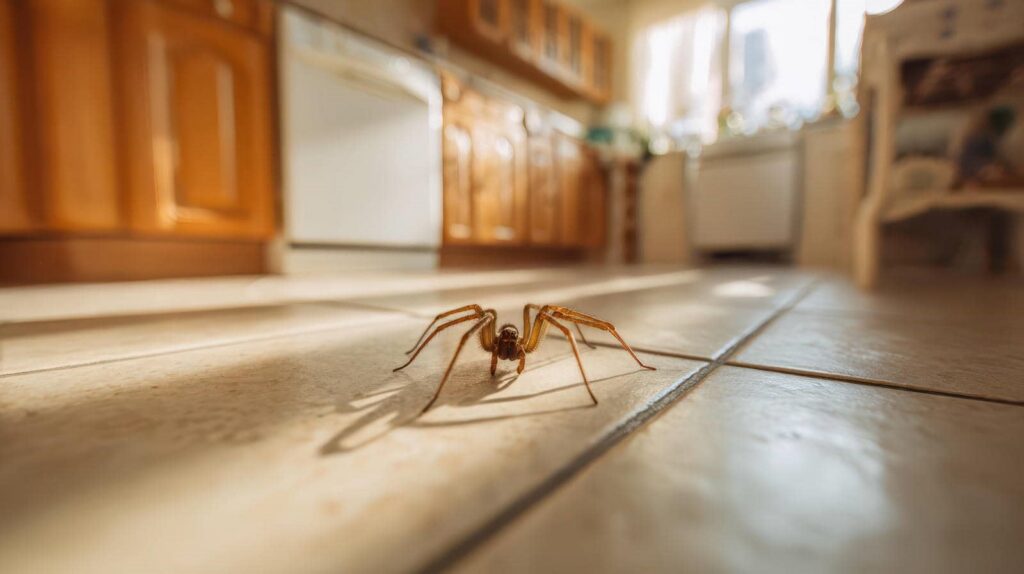
If you’re dealing with spider issues in your home, it’s essential to adopt effective control methods. Regular cleaning and decluttering can greatly reduce their habitats. Sealing entry points around your windows and doors can prevent them from getting inside. Additionally, natural repellents can serve as a deterrent. But what if these methods aren’t enough? Understanding the full spectrum of spider control can help you take decisive actions against these unwelcome guests.
Key Takeaways
- Establish regular cleaning routines and declutter to reduce spider habitats in high-traffic areas like living rooms and kitchens.
- Seal entry points by inspecting gaps around windows, doors, and vents, using caulk and weather stripping as needed.
- Utilize natural repellents like essential oils, vinegar solutions, and citrus peels to deter spiders effectively.
- Consider professional pest control services for tailored solutions and advanced techniques if natural methods fail.
- Implement monitoring strategies, such as regular inspections and sticky traps, to track spider activity and identify problem areas.
Regular Cleaning and Decluttering
One effective strategy for spider control is regular cleaning and decluttering in your home. By establishing consistent cleaning routines, you can greatly reduce spider habitats.
Focus on high-traffic areas like living rooms, kitchens, and basements, where spiders are likely to thrive. Use decluttering tips to remove unnecessary items from surfaces and corners, which can attract spiders and their prey.
Start by sorting through cluttered spaces, discarding or donating items you no longer need. Vacuum regularly to eliminate webs and egg sacs, paying special attention to corners and under furniture.
Make sure your cleaning supplies include a reliable vacuum with a HEPA filter to trap even the smallest particles. Additionally, consider implementing a weekly schedule to maintain these efforts.
Sealing Entry Points
To effectively control spider populations in your home, sealing entry points is essential. Start by identifying common entry point materials, such as gaps around windows, doors, and vents. Inspect your home for cracks in the foundation and any openings where pipes or wires enter.
Once you’ve found these vulnerabilities, employ effective sealing techniques. Use caulk for small gaps and cracks, ensuring a tight seal that prevents spiders from slipping through. For larger openings, consider expanding foam insulation or weather stripping, which can provide a more robust barrier.
Additionally, installing door sweeps can help block entry beneath doors. Regularly check these seals for wear and tear, as maintaining them is vital for long-term effectiveness.
Natural Repellents and Deterrents
While sealing entry points is essential, incorporating natural repellents and deterrents can further enhance your spider control strategy. By utilizing common household items, you can create effective barriers against unwanted spiders.
Here are some natural solutions that you might find useful:
Essential oils: Peppermint, tea tree, and lavender oils are particularly effective. Mix with water and spray in spider-prone areas.
Vinegar solutions: Combine equal parts vinegar and water to deter spiders. The strong scent disrupts their habitat.
Citrus peels: Spiders dislike citrus; placing peels in corners can act as a natural deterrent.
Diatomaceous earth: Sprinkle this powder in areas where spiders frequent; it dehydrates and kills them upon contact.
Herbs: Grow spider-repellent plants like mint or rosemary around your home for added protection.
Professional Pest Control Services
If natural repellents and deterrents aren’t yielding the desired results, you may want to contemplate professional pest control services.
These experts employ advanced pest control techniques tailored to your home’s specific needs and the spider species present. They conduct thorough assessments to identify infestations and potential entry points, ensuring a detailed approach to eradication.
Professional services utilize a combination of chemical and non-chemical treatments, providing effective solutions while minimizing risks to your family and pets. They also offer insights into preventative measures, helping you maintain a spider-free environment.
By relying on trained specialists, you’ll benefit from their knowledge of local pest behavior and seasonal patterns.
Choosing professional pest control not only addresses immediate concerns but also fosters a sense of community, as you connect with experts committed to creating safe living spaces.
Investing in these services can provide peace of mind, knowing you’re taking proactive steps against unwanted pests.
Monitoring and Maintenance Strategies
Effective monitoring and maintenance strategies are essential for keeping spider populations in check within your home. By understanding spider behavior and implementing consistent habitat monitoring, you can greatly reduce the likelihood of infestations.
Here are some strategies to take into account:
Regularly inspect corners, basements, and attics for webs and egg sacs.
Keep outdoor lights off or use yellow bulbs to deter insects that attract spiders.
Seal cracks and crevices around windows and doors to limit entry points.
Maintain a clutter-free environment, particularly in storage areas where spiders thrive.
Use sticky traps in key areas to monitor spider activity and identify hotspots.
Recap
By embracing these five spider control methods, you can reclaim your home from these eight-legged intruders. Just as Odysseus navigated the challenges of his journey, you too can chart a course toward a spider-free environment. Regular cleaning, sealing entry points, using natural repellents, consulting professionals, and monitoring activity are your strategies for success. By staying proactive, you’ll deter spiders and create a more inviting and comfortable living space.
Recent Posts
Mouse Droppings vs Rat Droppings: Identify Your Intruder
You may not know that droppings can tell you more than just whether rodents are
What Attracts Mice to a Clean House? 7 Surprising Culprits
Some homes report some mouse activity each year, and even a spotless house can still
How Do Exterminators Get Rid of Mice? A Look Inside the Process
When you call an exterminator for mice, the process starts with a careful inspection to