
Contents
If you’re dealing with box elder bugs near your home, start by locating their hot spots on sunlit walls and around host trees. Then seal gaps, treat entry areas carefully, and remove clusters without crushing them. A few targeted steps can cut the problem fast, but timing and method matter more than most people expect. The key is knowing which fixes work first, and which ones are just wasting effort.
Key Takeaways
- Inspect warm south- and west-facing walls, windows, and tree-adjacent areas where box elder bugs cluster.
- Seal cracks around siding, windows, soffits, utility lines, doors, and foundation gaps with caulk or weatherstripping.
- Apply labeled treatments only to bug hotspots, avoiding food areas, blooming plants, and unsafe overuse.
- Remove bugs with a vacuum or dustpan, then dispose of them outdoors and clean the area promptly.
- Call a professional if infestations continue indoors, recur each fall, or require targeted exterior barrier treatments.
Find Box Elder Bug Hot Spots Around Your Home
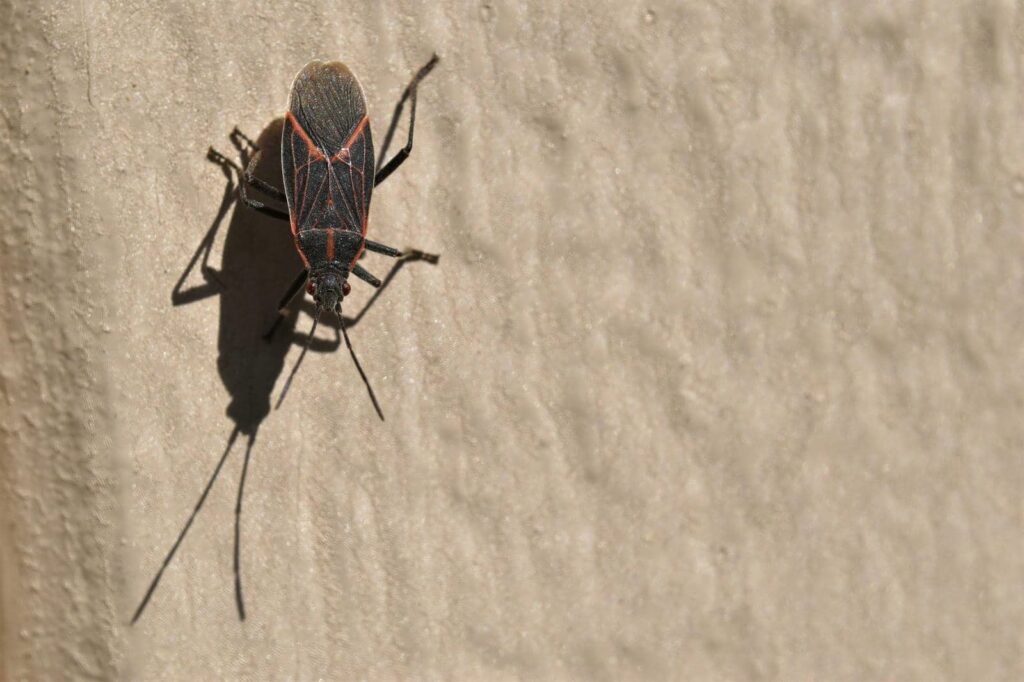
Start by checking the warm, sunlit sides of your home, since box elder bugs often cluster where heat and shelter collect.
Scan south- and west-facing walls, window wells, and areas near female box elder or maple trees. These box elder habitats often support feeding and resting sites, especially in late summer and early fall.
Look for groups on siding, screens, and nearby pavement, then note where they reappear after sunny afternoons. Their seasonal behaviors shift with temperature, so activity usually rises during warm spells and drops after cool nights.
Use a flashlight for shaded corners and inspect shrubs, stacked firewood, and nearby outbuildings.
Mark each hotspot so your household can compare patterns, stay organized, and feel confident about where the bugs are concentrating.
Seal Cracks and Gaps to Keep Them Out
Once you’ve mapped where box elder bugs gather, seal those entry points before they move inside. Inspect siding joints, window frames, utility penetrations, soffits, and foundation lines.
Use exterior-grade caulk on narrow cracks, and install foam backer rod where gaps are wider. Replace worn weatherstripping, door sweeps, and damaged screens so your home stays tight and comfortable with your neighbors.
Pay close attention to sunlit walls and attic vents, since bugs often enter there during warm spells. These preventative measures work best when you repeat them as seasonal strategies each fall and early spring.
Tight seals reduce indoor invasions, improve energy efficiency, and support a cleaner living space. If you keep a routine, you’ll stay ahead together, not behind the infestation.
Apply Box Elder Bug Treatments Safely
When you apply box elder bug treatments, read the product label first and follow the listed rate, target area, and safety precautions exactly. You protect your household and neighbors when you mix only what you need, use measured equipment, and keep children and pets away from treated surfaces until they’re dry.
Wear gloves, long sleeves, and eye protection to support chemical safety. Apply products only where box elder bugs gather, not on blooming plants, food-contact areas, or windy days.
If you prefer gentler control, choose approved natural remedies and test them on a small area first. Store leftovers in the original container, out of reach, and wash your hands after use.
This keeps your treatment plan precise, effective, and safe.
Remove Box Elder Bugs Without Spreading Them
After you treat a box elder bug hotspot, remove the insects carefully so you don’t scatter them into other rooms or nearby plants. Use a vacuum with a disposable bag or a handheld dustpan, and work in short passes so you keep control.
Seal the contents immediately, then wipe the area with a damp cloth to catch strays. If you want your household routine to stay effective, follow these steps:
- Collect bugs at the source.
- Empty tools outdoors in a sealed bag.
- Apply natural repellents only after cleanup.
- Reinforce prevention strategies at entry points.
You’ll protect your space, support your neighbors’ shared comfort, and reduce the chance of reinfestation without stirring up the swarm again.
When to Call a Box Elder Bug Exterminator
If box elder bugs keep returning after sealing cracks, vacuuming, and cleaning up hotspots, it’s time to bring in a licensed exterminator.
You’ll want expert help when infestations spread indoors, cluster on sunny walls, or reappear each fall. A pro can identify entry points, map seasonal patterns, and assess behavioral habits that let them overwinter near your home.
Ask for a treatment plan that combines exterior barrier sprays, targeted crack treatments, and exclusion repairs. This approach protects your household while reducing repeated contact with bugs.
If you live near maples or box elders, you’re not alone; these pests often move through neighborhoods together.
Calling sooner can save time, limit frustration, and restore your space faster.
Frequently Asked Questions
Do Box Elder Bugs Bite Humans or Pets?
No, box elder bugs usually don’t bite you or your pets; their box elder bug behavior is mostly harmless. You can reduce encounters with box elder bug prevention: seal gaps, remove hosts, and vacuum indoors.
Are Box Elder Bugs Harmful to Houseplants?
No, box elder bugs usually don’t harm your houseplants; they’re more like porch drifters than plant predators. You should note box elder bug behavior and use box elder bug prevention to keep them from lingering.
What Attracts Box Elder Bugs to My Yard?
You attract box elder bugs when you have box elder trees, female seed-bearing maples, and sunny shelter. Reduce debris, seal gaps, and use pest control early; they’ll cluster where food, warmth, and hiding spots exist.
Can Box Elder Bugs Damage Siding or Paint?
No, you won’t usually see box elder bugs damaging siding or paint; their box elder bug behavior is mostly nuisance-driven. You can prevent stains and entry with effective prevention: seal cracks, clean clusters, and reduce attractants.
How Long Do Box Elder Bugs Usually Live?
By and large, you’ll see box elder bugs live about a year; some survive longer indoors. Their box elder behavior shifts with temperature, and box elder reproduction yields one generation annually, so you’re not alone.
Final Thoughts
If you keep finding box elder bugs on your sunlit walls or near trees, treat that as your early warning sign. Seal gaps, refresh weatherstripping, and use targeted treatments safely so you don’t invite more inside. I once saw a small crack in a garage turn into a winter “highway” for bugs—like leaving a door ajar. Stay consistent with cleanup and prevention, and if the infestation keeps growing, call a box elder bug exterminator.
Recent Posts
How to Keep Mice Out of Your House This Fall: 10 Prevention Steps That Work
As temperatures drop, mice start looking for warmth, food, and cover, and your home can
Mice Removal: The Complete Guide for West Michigan Homeowners
If you’re noticing scratching in the walls, droppings in the pantry, or chewed insulation, mice
Expert Colony Removal for Persistent Pests
When you see ants beyond a few stray workers, you’re likely dealing with an active