
Contents
Pest infestations can feel like an invasion of your home, turning your sanctuary into a battleground. It’s essential to recognize the early signs of trouble before it escalates. From unusual noises echoing in your walls to the sighting of unwelcome guests, these indicators are often your first alert. Understanding these signs can be the key to maintaining a pest-free environment. But what specific signs should you watch for? Let’s explore the vital indicators that demand your attention.
Key Takeaways
- Unusual Noises: Scratching or scurrying sounds in walls indicate potential rodent activity, especially during evening hours.
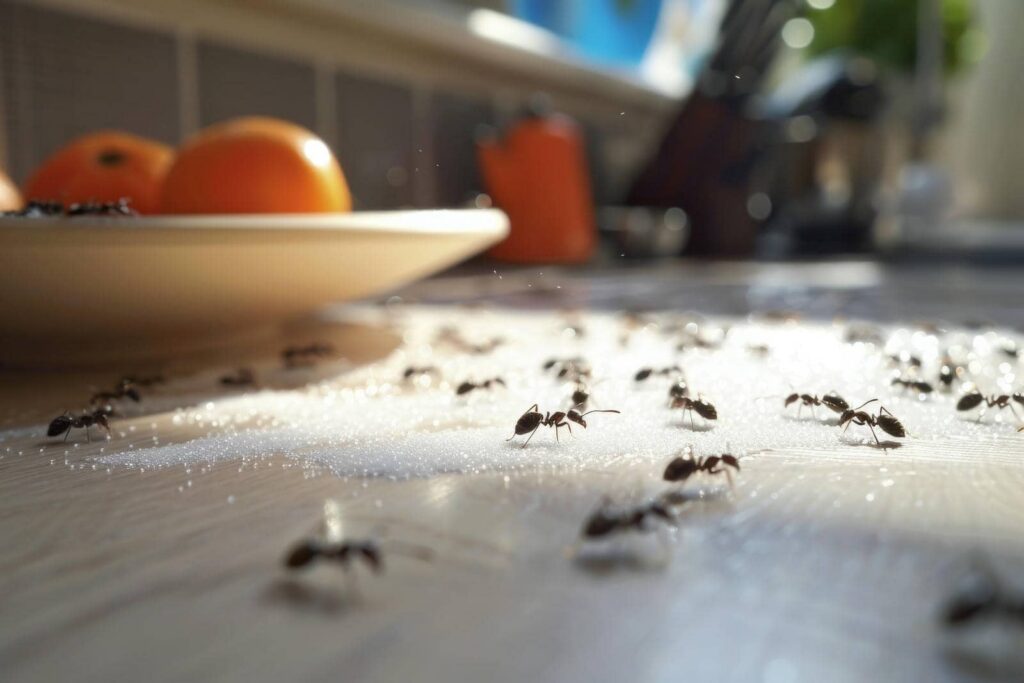
- Visible Pest Sightings: Spotting pests signals an infestation; multiple sightings suggest a breeding population nearby.
- Droppings or Frass: Distinct droppings in common areas, like kitchens, provide clear evidence of pest presence.
- Nesting Materials: Finding shredded paper or fabric indicates nesting, often in hidden corners or behind appliances.
- Gnaw Marks: Irregular, jagged edges on furniture and structures suggest rodent activity and should prompt immediate inspection.
Unusual Noises in Walls and Ceilings
When you hear unusual noises coming from your walls and ceilings, it’s essential to investigate, as these sounds can indicate a pest infestation.
Sound detection plays a key role in identifying pest behavior, helping you recognize the specific types of intruders that might be present. For instance, scratching or scurrying sounds may suggest rodents, while chewing noises could indicate wood-destroying insects like termites.
Pay attention to when and where these noises occur. Active times for pests often align with evening hours, as they prefer to forage when it’s dark.
If you notice consistent disturbances, consider using a stethoscope or a smartphone app designed for sound detection to pinpoint the source.
Droppings or Frass in Living Spaces
Unusual noises aren’t the only indicators of a pest problem; droppings or frass can provide clear evidence of an infestation in your living spaces. Identifying these droppings is essential for effective pest identification techniques.
Each pest leaves distinct droppings, which vary in size, shape, and color. For example, rodent droppings are typically small, pellet-shaped, while cockroach droppings resemble dark specks or coffee grounds.
Conducting a droppings analysis can help you determine the type of pest you’re dealing with, guiding your next steps. Look for droppings in common areas such as kitchens, basements, and near entry points.
If you find any, take note of their characteristics and location. This information will be invaluable when consulting pest control professionals. By recognizing these signs early, you can take action to protect your home and reclaim your space from unwanted invaders.
Gnaw Marks on Furniture and Structures
When you notice gnaw marks on furniture or structures, it’s essential to identify the source promptly.
Common pests like rodents can cause significant damage if left unchecked.
Understanding these signs and implementing prevention strategies will help safeguard your home.
Identifying Gnaw Marks
Gnaw marks serve as a clear indicator of pest activity, particularly from rodents like mice and rats. To identify these marks, look for irregular, jagged edges on wood, furniture, or structural materials.
These signs often appear as small, shallow indentations or deeper channels, depending on the pest’s size and feeding habits. Pay attention to the color of the marks; fresh gnawing will reveal lighter wood underneath, while older marks will show signs of dirt accumulation or fading.
Use identification tips such as checking for droppings nearby, which can further confirm pest presence. Regular inspections can help you catch infestations early, ensuring a more comfortable living space for you and your family.
Common Culprits
Several common pests can leave gnaw marks on furniture and structures, signaling potential infestations. Rodents, such as mice and rats, are notorious for their destructive behavior, often targeting wood, drywall, and furniture.
These gnaw marks are a clear indication of their presence and serve as a significant aspect of pest identification. Insects like termites and carpenter ants also exhibit gnawing behavior, primarily targeting wood in your home.
Their damage can be extensive and often goes unnoticed until it becomes severe. Recognizing these signs early is essential for effective pest control.
Understanding pest behavior helps you address infestations promptly, ensuring your living space remains safe and comfortable. Stay vigilant to protect your home from these unwelcome invaders.
Prevention Strategies
To effectively prevent pest infestations that leave gnaw marks on furniture and structures, you need to adopt proactive measures.
Start by sealing entry points such as cracks and gaps in walls, windows, and doors. Regularly inspect wooden furniture and structures for early signs of damage.
Maintain a clean environment by promptly addressing spills and food residues that attract pests. Consider using pest control products that are safe for your home and family.
Implement preventive measures like installing traps or natural deterrents to catch pests before they can cause damage.
Finally, stay informed about seasonal pest patterns to anticipate potential infestations.
Visible Pest Sightings
While you mightn’t think twice about spotting an occasional insect in your home, visible pest sightings can signal a more significant infestation problem. Understanding pest behavior and recognizing infestation patterns are essential for early detection. If you see multiple pests, it’s time to take action.
Different insects may indicate varied underlying issues.
Frequent sightings suggest a breeding population nearby.
Certain pests may lead to health risks, making it vital to act quickly.
Identifying specific species can guide your control methods.
Observing these signs can help you maintain a pest-free environment, fostering a sense of belonging in your space.
Don’t ignore those small invaders; they might be the first indicators of a larger issue lurking in the shadows. Staying vigilant guarantees you can address problems before they escalate into costly repairs or health hazards.
Nesting Materials Found Indoors
If you’ve noticed visible pest sightings, it’s important to keep an eye out for nesting materials found indoors, as these can be clear indicators of an infestation. Pests exhibit specific nesting behaviors, which can include using shredded paper, fabric, or plant materials to create their homes.
By identifying these materials, you can gain insight into the types of pests invading your space and their preferred indoor habitats.
Look for nests in hidden corners, behind appliances, or within wall cavities. Rodents, for instance, often choose warm, secluded areas, while insects like ants may create nests in wood or soil.
Identifying these nesting materials promptly can help you address the issue before it escalates. If you find any suspicious materials, it’s wise to consult a pest control professional to assess the situation and implement effective solutions.
Staying vigilant can protect your home from further infestations and preserve your living environment.
Unexplained Odors in the Home
Unexplained odors in your home can signal the presence of pests, often indicating their nesting sites or decay.
Common sources include rodent droppings, decaying insects, or even the smell of pheromones from certain species.
Identifying the type of pest responsible for these odors is essential for effective remediation.
Source of Odors
Odors that seem to appear out of nowhere can be a telltale sign of pest infestations in your home. Foul smells often stem from hidden sources, such as decaying pests or their waste. Identifying these odors early can prevent larger issues down the road.
Here are some common sources to evaluate:
Rodent droppings: Their waste can produce a strong, unpleasant scent.
Dead insects: Their decomposition may create noticeable odors.
Mold and mildew: These can thrive in areas disturbed by pests, leading to musty smells.
Food waste: Pests often invade kitchens, causing spoiled food odors.
Stay vigilant about these signs; addressing them promptly can help maintain your home’s comfort and safety.
Types of Pests
Certain types of pests can be the source of those mysterious odors permeating your home. Common culprits include rodents, which often leave behind a musty scent due to their droppings, and cockroaches, which can emit a distinct oily smell.
To identify these pests effectively, use pest identification methods such as inspecting droppings, nests, or shed exoskeletons. Understanding pest behavior patterns is essential, as recognizing their activity timeframes can reveal the source of the odor.
For instance, nocturnal pests like rats are more active at night, making them easier to spot during that time. By addressing these odors promptly, you can maintain a healthy environment and foster a sense of belonging in your home.
Damage to Food Packaging or Stored Goods
Pest infestations often reveal themselves through visible damage to food packaging or stored goods. If you notice signs of tampering, it’s essential to act swiftly to guarantee food safety and maintain packaging integrity.
Here are some indicators to watch for:
- Small holes or tears in packaging
- Unusual stains or residue on containers
- Presence of discarded pest droppings near food storage
- Unpleasant odors emanating from stored products
Recognizing these early signs allows you to address potential infestations before they escalate.
Damaged packaging can compromise food safety, leading to spoilage or contamination. By staying vigilant and promptly inspecting your stored goods, you not only protect your household but also foster a sense of community responsibility.
A proactive approach to monitoring your food storage guarantees that you and your loved ones remain safe and healthy.
Final Thoughts
Ignoring the early signs of pest infestations might seem harmless, but it can lead to significant problems down the line. By staying vigilant and recognizing unusual noises, droppings, and other indicators, you can take action before infestations escalate. Don’t wait until pests become a major issue—being proactive not only protects your home but also contributes to a healthier community. Remember, fostering a pest-free environment is a shared responsibility, and your awareness plays an essential role.
Recent Posts
Do Mice Go Away on Their Own? The Honest Answer
You may not realize that mice often stay put even when a home feels busy
Mouse Droppings vs Rat Droppings: Identify Your Intruder
You may not know that droppings can tell you more than just whether rodents are
What Attracts Mice to a Clean House? 7 Surprising Culprits
Some homes report some mouse activity each year, and even a spotless house can still