
Contents
If you’re dealing with box elder bugs, you need a control plan that starts with what draws them in, where they hide, and how they get inside. You can cut infestations fast by sealing gaps, removing attractants, and using targeted cleanup methods before they spread. A few outdoor treatments may help, but timing and placement matter more than most people expect. The next steps can make the difference between a temporary fix and lasting control.
Key Takeaways
- Remove box elder host trees, seeds, and plant debris near your home to reduce attraction.
- Seal cracks around windows, doors, utility lines, and siding with caulk, weatherstripping, or mesh.
- Vacuum bugs from window tracks, baseboards, attics, and wall voids, then empty the vacuum outdoors.
- Use sticky traps near entry points and sunny areas to monitor and reduce indoor activity.
- Reduce outdoor lighting and keep shrubs, mulch, and firewood away from the foundation.
Understand What Attracts Box Elder Bugs
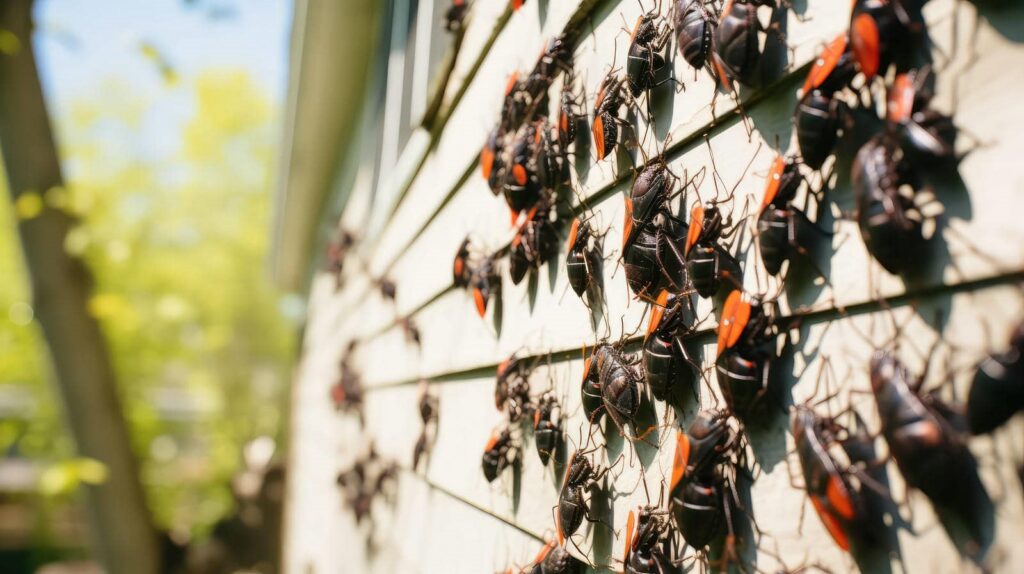
Box elder bugs gravitate toward properties that provide food, shelter, and access points. You’ll usually see them where boxelder maples, ash trees, or seed-bearing ornamentals grow, because they feed on developing seeds and fallen debris.
Warm walls, sunny exposures, and sheltered surfaces also draw them as temperatures shift. Their seasonal behaviors matter: they cluster outdoors in spring and late summer, then seek protected sites as weather cools.
You can reduce attraction by pruning host trees, removing seed litter, and limiting exterior lighting near entry areas. Natural repellents, such as peppermint oil sprays or diatomaceous earth, may help discourage lingering bugs when you apply them consistently.
When you understand these triggers, you can target control steps that fit your property and help your household stay ahead of infestations.
Find Box Elder Bug Hiding Spots Indoors
Once box elder bugs get inside, they usually stay close to warm, quiet areas where they can hide undisturbed. You’ll find them in box elder bug habitats such as wall voids, attics, baseboards, window frames, and behind furniture.
Check sunlit rooms first, then inspect cool edges where indoor bug behavior often slows them down. Use a flashlight to look for clusters, shed skins, and dark spotting on trim, curtains, or insulation.
Listen for light movement when rooms are still, especially near ceilings and vents. You belong in a cleaner, calmer space, so map every sighting and note patterns by room and time. That record helps you target the most active hiding spots and reduces missed insects during cleanup.
Seal Entry Points Before Treatment
Before you treat indoor infestations, seal the entry points so new box elder bugs can’t keep coming in.
Start with entry point identification around window frames, door thresholds, utility penetrations, vents, and siding gaps. Inspect at dusk with a flashlight, because small cracks often hide in plain sight.
Use high-quality caulk on stationary joints, weatherstripping on moving parts, and fine mesh screening for openings that need airflow. For larger gaps, apply backer rod before caulking to improve adhesion and durability.
These sealing techniques work best when you clean surfaces first and let materials cure fully.
Remove Food and Shelter Sources
After you seal gaps, make the area less inviting by removing food and shelter sources that let elder bugs linger near your home.
Pick up fallen seeds, fruit, and other plant debris, then prune dense shrubs that touch siding or crowd foundations. Keep mulch thin and dry, and store firewood away from walls so bugs can’t hide in protected pockets.
You should also reduce outdoor lights at night, because they draw insects that sustain local activity.
Inside, vacuum window sills, baseboards, and sunny corners where bugs gather. These steps work well as natural deterrents and support seasonal prevention by removing the conditions elder bugs use to feed, rest, and regroup.
When you maintain the landscape consistently, your home stays less attractive and your pest control plan gets stronger.
Use Outdoor Sprays Safely
When you use outdoor sprays, choose only products approved for elder bug control and intended for exterior application.
Read the label before you spray, and follow the dilution, coverage, and reapplication instructions exactly.
You’ll reduce risk to people, pets, and plants when you apply the product as directed.
Choose Approved Sprays
Choose sprays that are specifically labeled for elder bugs and approved for outdoor use, and apply them only where the product instructions allow. You’ll protect your home team better when you target the insects’ entry points, siding edges, and nearby resting spots.
If you prefer natural alternatives, select plant-based formulas with proven knockdown action; they can fit into your preventive measures without adding unnecessary risk. You should still treat sprays as a support tool, not a standalone fix, because sealing cracks and reducing outdoor attraction matter more long term.
Wear protective gear, keep children and pets away during application, and avoid overspraying plants or surfaces you don’t intend to treat. That approach keeps your control plan effective, predictable, and safer for everyone on your property.
Follow Label Directions
Read the label before you spray, and follow every instruction for mix rates, application sites, timing, and reentry. You protect your home crew when you treat label safety as nonnegotiable.
Check whether the product targets elder bugs, then measure concentrates accurately and use only the listed amount. Apply outdoors on calm, dry days so drift doesn’t reach people, pets, or pollinators.
Good application techniques include aiming at cracks, foundations, and protected entry points, not open blooms or standing water. Wear the required gloves, sleeves, and eye protection, and wash up after use.
If the label limits repeat treatments, respect that interval. By working this way, you join the group of homeowners who control pests safely and effectively.
Try Vacuuming and Traps for Fast Relief
You can reduce elder bug activity quickly by vacuuming cracks, crevices, window tracks, and other sheltered entry points where they cluster.
Use a hose attachment and empty the vacuum bag or canister outdoors right away to prevent escape.
Then place simple sticky traps along baseboards and near light sources to catch stragglers and monitor pressure levels.
Vacuum Cracks and Crevices
Start by vacuuming along baseboards, window frames, door jambs, and other cracks where elder bugs gather or overwinter.
Use a hose attachment with narrow vacuum techniques to reach tight seams without spreading insects. Move slowly, keeping the nozzle flush to the surface for thorough crevice cleaning.
Empty the canister or bag outdoors immediately, then seal the contents in a disposable bag to prevent reinfestation.
Repeat this process in basements, attics, and utility rooms, where hidden gaps often shelter clusters. If you work methodically, you’ll reduce adults, nymphs, and egg-laying sites at the same time.
Stay consistent, because shared maintenance around your home helps everyone in your space feel more comfortable and protected.
This approach gives you fast, targeted relief without relying on sprays.
Set Simple Sticky Traps
Sticky traps can add fast, low-effort control after you’ve vacuumed out visible clusters. You’ll get the best results when you choose durable sticky trap materials and place them where elder bugs travel, not where you expect them. Use these traps as a monitoring tool and a short-term reduction method.
Put traps along baseboards, window wells, and door thresholds.
Replace traps when dust, debris, or insects reduce tack.
Check daily so you can confirm activity and adjust effective trap placement.
Keep traps flat, dry, and out of reach of pets and children. Pair them with sealing gaps and reducing outdoor lights, and you’ll build a cleaner, more coordinated defense that helps your household stay ahead of reinfestation.
When to Call a Box Elder Bug Exterminator
If box elder bugs keep reappearing after repeated DIY treatments, it’s time to call a box elder bug exterminator. You’re likely dealing with a larger infestation, hidden entry points, or overwintering clusters inside wall voids and attic spaces.
A licensed pro can inspect the box elder bug lifecycle, identify breeding and resting sites, and apply targeted residual treatments where you can’t safely reach. You’ll also get effective prevention methods, including sealing gaps, repairing screens, and managing host trees near the structure.
If bugs invade living areas, stain surfaces, or return each season, expert service can reduce pressure fast. That helps you protect your home and stay confident your space is under control.
Frequently Asked Questions
Can Box Elder Bugs Damage My Home’s Structure?
No, box elder bugs usually won’t damage your home’s structure. You should confirm box elder bug identification, then focus on box elder bug prevention: seal gaps, repair screens, and remove host trees near your foundation.
Do Box Elder Bugs Bite Humans or Pets?
Usually, no; your pet lounging near a windowsill won’t get bitten. Box elder behavior is defensive, not aggressive, and Box elder prevention—sealing gaps and removing host trees—keeps you protected and included indoors.
Are Box Elder Bugs Harmful to Indoor Air Quality?
No, you usually won’t find box elder bugs harming indoor air quality. Their box elder bug behavior keeps them clustered near windows; use indoor pest solutions like sealing gaps, vacuuming, and reducing moisture to keep your home comfortable.
How Long Do Box Elder Bugs Typically Live?
You’ll usually see box elder bugs live about one year, though some survive longer indoors. Their lifecycle stages include egg, nymph, and adult, and seasonal behavior strongly affects survival, reproduction, and overwintering.
What Time of Year Are Box Elder Bugs Most Active?
You’ll usually see box elder bugs most active in late summer and early fall. Their seasonal behavior peaks then, so don’t wait—your pest prevention works best when you seal entry points before cooler weather drives them inside.
Conclusion
By understanding what attracts box elder bugs and where they hide, you can target control measures more effectively. Seal cracks, remove seed sources, and use outdoor sprays only where needed. Have you considered how much faster you can reduce infestations by combining vacuuming with traps? For best results, stay consistent with inspection and cleanup, and call a pest control professional when activity persists. With the right approach, you’ll limit entry, cut shelter, and keep populations down.
Recent Posts
Mouse Droppings vs Rat Droppings: Identify Your Intruder
You may not know that droppings can tell you more than just whether rodents are
What Attracts Mice to a Clean House? 7 Surprising Culprits
Some homes report some mouse activity each year, and even a spotless house can still
How Do Exterminators Get Rid of Mice? A Look Inside the Process
When you call an exterminator for mice, the process starts with a careful inspection to