
Contents
Choosing termite control methods is like steering through a minefield; one wrong step can lead to costly consequences. It’s vital to start by evaluating the extent of your infestation, as this sets the stage for effective action. With a variety of treatment options available, how do you know which one is right for your situation? Understanding the nuances of each approach can make all the difference in protecting your property. Let’s explore the best strategies to ensure long-term safety.
Key Takeaways
- Assess the severity of the infestation by looking for signs like mud tubes and hollow-sounding wood.
- Evaluate various treatment options, including chemical treatments, bait systems, and fumigation, to find the best fit.
- Consider the environmental impact of treatments, opting for eco-friendly solutions and sustainable practices where possible.
- Research professional exterminator services, ensuring they have experience, necessary licenses, and specialization in termite control.
- Plan for ongoing prevention by scheduling regular inspections and maintaining proper property drainage to reduce moisture.
Assess the Extent of the Infestation
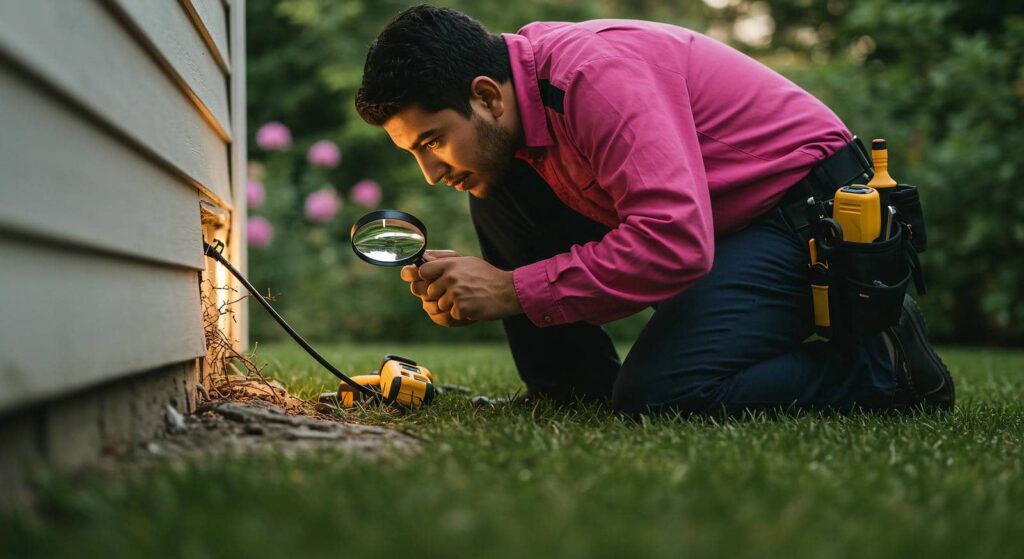
How can you determine the severity of a termite infestation in your home? Start by looking for infestation signs, like mud tubes, discarded wings, or hollow-sounding wood. These indicators often reveal the presence of termites actively damaging your structure.
Next, conduct a damage assessment; inspect wooden beams, floors, and furniture for soft spots or visible damage. Pay attention to any unexplained paint bubbles or sagging surfaces, as these may signal deeper issues.
If you suspect a significant infestation, don’t hesitate to consult a professional. They can provide a thorough evaluation and help you understand the extent of the damage.
Evaluate Different Treatment Options
After evaluating the extent of the termite infestation, it’s time to explore the various treatment options available to you.
Here are four methods to examine:
Chemical Treatments: These involve applying pesticides to eliminate termites. They can be effective but may require professional application for safety.
Bait Systems: These systems attract termites to bait stations filled with slow-acting insecticides, allowing for colony elimination over time.
Fumigation: A more extensive treatment, this method involves sealing your home and filling it with gas to eradicate termites.
Barrier Treatments: Preventative measures like soil treatments can create a protective barrier against future infestations.
Consider Environmental Impact
While you consider the best termite control methods, it’s essential to evaluate their environmental impact. Choosing eco-friendly solutions protects your home and contributes to a healthier planet.
Look for treatments that employ sustainable practices, minimizing harm to surrounding ecosystems. For instance, some methods focus on natural predators or organic substances that deter termites without introducing harmful chemicals into the environment.
By opting for solutions that prioritize ecological balance, you’re not just tackling the immediate issue; you’re also fostering a community mindset that values long-term health.
Research Professional Exterminator Services
When you’re facing a termite issue, researching professional exterminator services is essential.
You’ll want to evaluate their experience and expertise to ensure they’ve a solid track record in effective treatments.
Additionally, comparing the treatment options they offer will help you select the most suitable approach for your specific situation.
Evaluate Experience and Expertise
How can you ensure that you’re choosing the right professional exterminator for termite control?
Start by conducting a thorough experience assessment and expertise verification.
Here are four key factors to take into account:
Years in Business: Look for companies with a proven track record in termite control.
Certifications: Verify they’ve the necessary licenses and certifications to operate in your area.
Customer Reviews: Check online reviews and testimonials to gauge customer satisfaction.
Specialization: Confirm that they specialize in termite treatments, as this indicates a deeper understanding of the issue.
Compare Treatment Options Offered
Choosing the right termite treatment option can considerably impact the effectiveness of pest control in your home. When researching professional exterminator services, it’s essential to compare the available treatment options.
Many companies offer chemical treatments that effectively eliminate termites but may raise concerns about environmental safety. On the other hand, natural remedies, like nematodes or diatomaceous earth, provide eco-friendly alternatives, although they might take longer to show results.
Consider your specific situation and preferences. Ask exterminators about their methods, effectiveness, and safety protocols.
Understanding the pros and cons of each option allows you to make an informed choice that suits your home and values. You deserve a solution that protects your property and aligns with your lifestyle.
Review Cost-Effectiveness of Methods
Although termite control methods vary widely in approach, evaluating their cost-effectiveness is essential for homeowners and businesses alike.
You’ll want to take into account several factors to make an informed choice:
Initial Costs: Assess the upfront expenses for chemical alternatives versus natural solutions.
Long-term Savings: Factor in the potential for future infestations and the durability of the method.
Health and Safety: Weigh the risks of chemical treatments against the benefits of environmentally-friendly options.
Environmental Impact: Reflect on the ecological ramifications of your chosen method and how it aligns with your values.
Seek Recommendations and Reviews
When you’re steering through the options for termite control, where do you turn for reliable information and insights?
Seeking recommendations and reviews from trusted sources can make all the difference. Start by exploring online forums where homeowners share their experiences and advice. These communities often provide practical insights that help you gauge the effectiveness of various methods.
Don’t overlook expert testimonials, either; professionals in pest control can offer valuable perspectives on which solutions work best in different situations.
Plan for Ongoing Prevention and Monitoring
After gathering insights and recommendations, developing a robust plan for ongoing prevention and monitoring is essential to keeping termites at bay.
This strategy protects your home and fosters a sense of community involvement in pest management.
Here are four proactive measures you can take:
Schedule regular inspections with a pest control expert to identify any signs of termite activity early.
Maintain proper drainage around your property to reduce moisture, a key attractant for termites.
Store firewood and mulch away from the foundation to minimize access points.
Educate your family about the signs of termite damage, encouraging everyone to stay vigilant.
Frequently Asked Questions
How Can I Tell if I Have Termites?
To tell if you have termites, look for signs of infestation like mud tubes, discarded wings, or hollow-sounding wood. Employ termite identification techniques, such as inspecting damp areas and checking for frass, to confirm their presence.
Are There DIY Methods for Termite Control?
Definitely, DIY termite control’s doable! You can explore natural remedies like nematodes or boric acid. Couple that with solid prevention tips like sealing cracks and reducing moisture, and you’re on your way to a termite-free home!
What Are the Signs of Termite Damage?
You’ll notice signs of termite damage like hollowed wood, frass (wood pellets), and mud tubes along walls. Inspect your property regularly; early detection helps protect your home and fosters a sense of security within your community.
How Long Does Termite Treatment Usually Last?
Termite treatments typically last several months to a few years, depending on effective methods used. Regular inspections and maintenance ensure lasting protection, so you can confidently safeguard your space from these destructive pests.
Can Termites Return After Treatment?
Yes, termites can return after treatment if you neglect preventive measures. Understanding termite reinfestation risks and implementing effective strategies can greatly reduce the chances of a repeat infestation, ensuring your home stays protected long-term.
Final Thoughts
In the battle against termites, think of yourself as a vigilant knight defending your castle. By evaluating the infestation, exploring treatment options, and choosing eco-friendly methods, you arm yourself with the best defenses. Partnering with skilled exterminators is like enlisting trusted allies, while ongoing prevention ensures your fortress remains strong. Stay proactive, gather wisdom from others, and your home will stand tall against these relentless invaders, protecting your kingdom for years.
Recent Posts
Mouse Droppings vs Rat Droppings: Identify Your Intruder
You may not know that droppings can tell you more than just whether rodents are
What Attracts Mice to a Clean House? 7 Surprising Culprits
Some homes report some mouse activity each year, and even a spotless house can still
How Do Exterminators Get Rid of Mice? A Look Inside the Process
When you call an exterminator for mice, the process starts with a careful inspection to