
Contents
Imagine walking through a garden in West Michigan, the sunlight filtering through lush foliage, and the gentle buzz of bees filling the air. Curious about how to maintain this natural beauty while keeping pests at bay? Discover effective and environmentally friendly methods that not only safeguard your plants but also support the local ecosystem. From innovative companion planting techniques to homemade remedies that are as kind to your garden as they are to the environment, the possibilities for natural pest control in West Michigan are endless.
Key Takeaways
- Companion planting with marigolds, herbs, and lavender deters pests naturally.
- Use plant-based insect repellents like peppermint, lavender, and citronella.
- DIY pest control sprays with citrus, garlic, peppermint, and vinegar are effective.
- Utilize natural traps and diatomaceous earth for insect removal.
- Attract beneficial insects like ladybugs and lacewings for natural pest control.
Eco-Friendly Pest Control Solutions
When it comes to combating pests in a sustainable manner, eco-friendly pest control solutions offer a viable alternative. In the domain of organic gardening, one effective method to deter pests is through companion planting. This strategy involves planting different crops together that benefit each other in various ways, such as repelling harmful insects or attracting beneficial ones.
For instance, planting marigolds alongside tomatoes can help repel nematodes, tiny worms that can damage the roots of plants. Additionally, certain herbs like basil, mint, and rosemary can act as natural insect repellents when planted near susceptible crops.
Companion planting not only helps to naturally control pests but also fosters a balanced ecosystem within your garden. By incorporating this method into your gardening practices, you can reduce the need for chemical pesticides, fostering a healthier environment for both your plants and the beneficial insects that help control pest populations.
Furthermore, companion planting aligns with the principles of organic gardening, which emphasize working with nature rather than against it. This approach encourages a more sustainable and harmonious way of managing pests, promoting a sense of belonging to the natural world around you.
Embracing eco-friendly pest control solutions like companion planting not only benefits your garden but also contributes to the overall health of the environment.
Plant-Based Insect Repellents
Explore the effectiveness of herbal insect repellents derived from plants like citronella, lavender, and peppermint.
Discover the potency of essential oil blends known for their insect-repelling properties such as lemon eucalyptus, tea tree, and geranium.
Learn to create your own DIY repellent sprays using natural ingredients like vinegar, garlic, and neem oil.
Herbal Insect Repellents
Utilizing herbal insect repellents, also known as plant-based insect repellents, can provide an effective and natural alternative to chemical-based products. Herbal remedies have been used for centuries to ward off insects due to their natural ingredients.
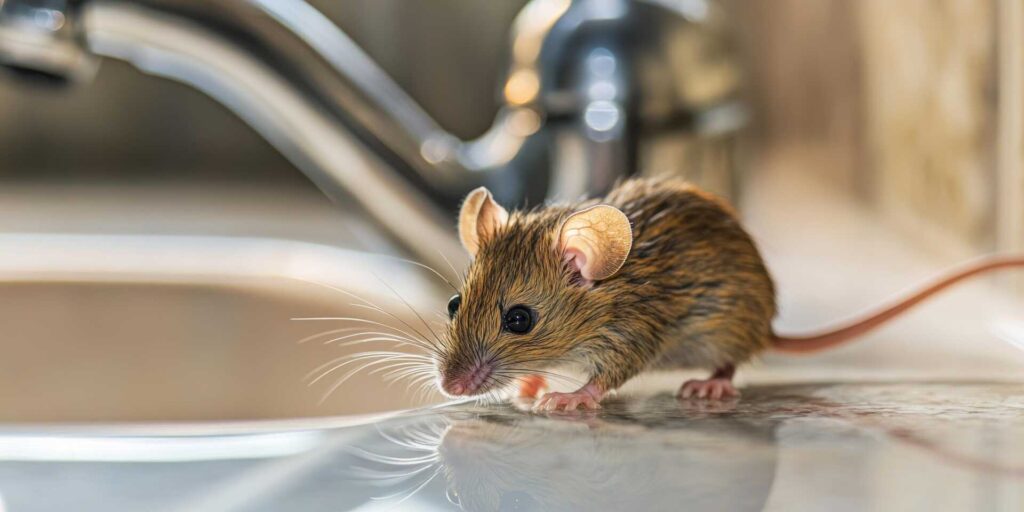
Plants like lavender, citronella, and peppermint are known for their insect-repelling properties. Lavender, with its calming scent, can deter mosquitoes and flies, while citronella is effective against mosquitoes. Peppermint, besides its invigorating aroma, is a natural deterrent for ants, spiders, and even mice.
When creating your herbal insect repellent, consider combining various herbs for a more potent blend. A simple recipe can involve mixing essential oils extracted from these herbs with a carrier oil like coconut or jojoba oil.
This mixture can be applied to the skin or around the living areas to keep pests at bay. Remember to test a small amount on your skin first to verify no allergic reactions occur.
Essential Oil Blends
To effectively repel insects using plant-based methods, consider incorporating essential oil blends. Essential oils are concentrated liquids derived from plants known for their aromatic properties and potential insect-repelling effects.
When using essential oils for pest control, it’s important to prioritize essential oil safety to prevent any adverse reactions. Dilute essential oils properly before applying them to the skin or environments where insects are present.
Blending techniques play a key role in enhancing the effectiveness of essential oil blends. Mixing oils with complementary scents and properties can create a synergistic repellent that targets a broader range of pests. Experiment with different combinations to find the most effective blend for your needs.
Remember to follow recommended dilution ratios and usage guidelines to guarantee safe and efficient pest control. By understanding essential oil safety and mastering blending techniques, you can harness the power of nature to keep insects at bay in a sustainable and environmentally friendly way.
DIY Repellent Sprays
When creating DIY repellent sprays for plant-based insect control, selecting the right combination of ingredients is essential for effective pest management.
Citrus peels are a fantastic option for crafting a natural insect repellent spray. The strong scent of citrus acts as a deterrent for pests like mosquitoes and ants. To make a citrus peel spray, simply steep citrus peels in hot water overnight, strain the liquid, and pour it into a spray bottle for application.
Another effective DIY repellent spray is the garlic spray. Garlic contains sulfur compounds that repel a wide range of insects such as aphids, beetles, and caterpillars. To create a garlic spray, blend garlic cloves with water, strain the mixture, and dilute it before use.
Both citrus peel and garlic sprays offer a natural and chemical-free way to keep pests at bay in your garden. Experiment with these plant-based repellents to find the most effective solution for your pest control needs.
Essential Oils for Pest Management
By harnessing the power of essential oils, pest management can be achieved effectively and naturally. Essential oils are not only known for their aromatherapy benefits but also for their ability to repel pests due to their strong scents. When using essential oils for pest control, it is crucial to guarantee safety by diluting them properly to avoid any adverse effects.
Below is a table showcasing some common essential oils and the pests they can help repel:
| Essential Oil | Pests Repelled | How to Use |
|---|---|---|
| Peppermint | Mice, ants | Mix with water and spray around entry points |
| Lavender | Moths, mosquitoes | Place sachets in closets or drawers |
| Eucalyptus | Flies, cockroaches | Add to a diffuser or spray diluted solution |
| Citronella | Mosquitoes | Use in outdoor candles or oil burners |
| Tea Tree | Ants, spiders | Mix with vinegar and water for a spray |
These essential oils offer a natural and pleasant way to keep pests at bay while avoiding the use of harsh chemicals. Experiment with different oils and methods to find the best solution for your pest control needs.
Beneficial Insects for Pest Control
Beneficial insects play an essential role in pest control by acting as insect allies against common garden pests.
These natural predators work tirelessly to combat infestations, reducing the need for harmful chemicals and promoting a more eco-friendly approach to pest management.
Embracing these tiny allies can lead to sustainable pest solutions that benefit both your garden and the environment.
Insect Allies for Pests
Amidst the battle against agricultural pests, harnessing the power of nature’s own insect allies proves to be a formidable strategy. Insect partnerships play a vital role in maintaining ecosystem balance by controlling pest populations naturally. Beneficial insects such as ladybugs, lacewings, and parasitic wasps are essential allies in this fight.
Ladybugs, known for their voracious appetite for aphids, mealybugs, and mites, are valuable assets to have in gardens and farms. Their presence helps keep these destructive pests in check, preventing widespread infestations.
Lacewings, with their delicate appearance, are fierce predators of aphids, caterpillars, and other soft-bodied insects that can wreak havoc on crops. By introducing lacewings into the ecosystem, a natural balance is restored, reducing the need for harmful chemical pesticides.
Parasitic wasps are another beneficial insect ally that aids in pest control. These tiny warriors lay their eggs inside pest insects, such as caterpillars and aphids, ultimately leading to the demise of the host.
Natural Predators Combatting Infestations
In the intricate web of agricultural ecosystems, the role of natural predators in combatting pest infestations is essential.
Beneficial insects play a vital part in maintaining ecological balance by preying on pests that can damage crops. Here are four key points to understand how natural predators help control infestations:
Predator Habitats: Natural predators such as ladybugs, lacewings, and parasitic wasps thrive in diverse habitats. Providing a variety of plants in your garden can attract these predators, creating a more balanced ecosystem.
Ecological Balance: Predatory insects help maintain a natural equilibrium by controlling the population of pests. This reduces the need for chemical pesticides, promoting a healthier environment for plants and other organisms.
Targeted Pest Control: Beneficial insects like ground beetles and spiders target specific pests, reducing their numbers effectively without harming beneficial insects or plants.
Sustainable Solution: Encouraging natural predators to combat infestations is a sustainable pest control method that minimizes harm to the environment and contributes to long-term agricultural viability.
Eco-Friendly Pest Solutions
Occasionally, integrating beneficial insects into your pest control strategy can provide an effective and environmentally friendly solution.
These natural deterrents can help manage pest populations without the use of harmful chemicals.
Ladybugs, lacewings, and parasitic wasps are examples of beneficial insects that prey on common garden pests such as aphids, caterpillars, and mites.
Ladybugs, for instance, feed on aphids, which are known to damage plants.
Lacewings consume aphids, mealybugs, and other soft-bodied insects.
Parasitic wasps lay their eggs inside pest insects, controlling their populations effectively.
Homemade Pest Control Sprays
For effective and environmentally friendly pest management, homemade pest control sprays offer a practical solution. These DIY remedies aren’t only cost-effective but also safer for your family, pets, and the environment.
Here are some simple recipes you can try at home:
Citrus Peel Spray: Citrus peels are a natural deterrent for many pests due to their strong scent. To make this spray, simply steep citrus peels in hot water overnight. Strain the liquid and pour it into a spray bottle. This citrus-infused spray works well against ants, spiders, and even some types of beetles.
Garlic Spray: Garlic contains allicin, a compound that repels insects. To create a garlic spray, blend several garlic cloves with water and a bit of mineral oil. After straining the mixture, dilute it with water and pour it into a spray bottle. This potent spray is effective against aphids, caterpillars, and other garden pests.
Peppermint Oil Spray: Peppermint oil is known for its strong scent that repels insects like ants, spiders, and mosquitoes. Mix a few drops of peppermint oil with water and a bit of liquid soap to create a spray that can be used indoors and outdoors.
Vinegar Solution: A mixture of vinegar and water can be a powerful tool against pests like fruit flies, ants, and spiders. Simply combine equal parts of vinegar and water in a spray bottle and use it in areas where pests are present.
Try these homemade pest control sprays to keep your home pest-free while minimizing your environmental impact.
Diatomaceous Earth for Pest Elimination
When applying Diatomaceous Earth (DE) for pest control, make certain to evenly distribute a thin layer in areas where pests are present, focusing on cracks and crevices.
Remember to reapply DE after rain or heavy moisture exposure, as it becomes less effective when wet.
The benefits of using DE include its non-toxic nature, which makes it safe for use around pets and children, as well as its ability to effectively eliminate a wide range of pests.
Application Tips for Diatomaceous Earth
Utilizing Diatomaceous Earth for pest elimination requires careful application to maximize its effectiveness in controlling various insects. When applying Diatomaceous Earth, follow these tips to guarantee peak results:
Targeted Application: Focus on areas where insects are most active, such as entry points, cracks, and crevices, to directly impact their movement and breeding grounds.
Even Distribution: Spread Diatomaceous Earth evenly using a duster or shaker to create a consistent barrier that insects must cross, guaranteeing they come into contact with the powder.
Repeat Application: Reapply Diatomaceous Earth after rain or if the powder gets wet to maintain its efficacy against pests and continue providing a protective layer in your surroundings.
Safety Precautions: Wear a mask and gloves when applying Diatomaceous Earth to prevent inhalation and skin irritation.
Keep pets and children away from treated areas until the powder settles to avoid any potential health risks.
Benefits of Using DE
To fully grasp the efficacy of Diatomaceous Earth (DE) in pest elimination, understanding its inherent benefits is imperative. DE is a natural and eco-friendly substance that offers a multitude of advantages for controlling pests.
One of the key diatomaceous earth benefits is its ability to effectively eliminate a wide range of insects, including ants, cockroaches, bed bugs, and fleas. When applied correctly, DE acts as a desiccant, absorbing the oils and fats from the exoskeleton of insects, ultimately leading to their dehydration and death.
Additionally, diatomaceous earth application is simple and versatile. It can be applied both indoors and outdoors, making it a convenient pest control solution for various environments.
Whether used in powder form or as a liquid spray, DE remains an effective method for targeting pests while posing minimal risk to humans and pets. Its non-toxic nature and long-lasting effects make it a preferred choice for those seeking natural pest control alternatives.
Embracing the benefits of DE in pest management can lead to a safer and more sustainable approach to dealing with unwanted critters in your surroundings.
Natural Traps for Insect Removal
Natural traps are an effective method for removing insects from your home or garden. They’re a natural and chemical-free way to control pests. Here are some natural traps you can use:
- Sticky traps: These traps are coated with a sticky substance that traps insects when they land on them. They’re effective for capturing flying insects like fruit flies, gnats, and even some types of spiders.
Place these traps near windows, doors, or other entry points where insects are likely to enter.
- Pheromone lures: Pheromones are chemicals that insects release to communicate with each other. Pheromone lures mimic these chemicals to attract insects to a trap where they’re then captured.
Different pheromone lures attract specific types of insects, making them a targeted and effective method for pest control.
- Jar traps: These traps are simple yet effective. You can create one by placing a bait (such as fruit or vinegar) at the bottom of a jar and covering it with a paper cone.
Insects will be attracted to the bait, enter the jar, and then be unable to find their way out.
- Plant-based traps: Some plants naturally repel insects or attract them to be used as traps. For example, carnivorous plants like Venus flytraps can be placed strategically to capture insects like flies and mosquitoes.
Using these natural traps can help you keep your home or garden free from pesky insects without the use of harmful chemicals.
Vinegar and Baking Soda Pest Remedies
In your quest for natural pest control methods, vinegar and baking soda emerge as powerful remedies to combat common household pests.
Vinegar solutions are effective against ants, fruit flies, and spiders due to their strong odor that disrupts the pests’ senses and trails, deterring them from entering your home. To create a vinegar solution, mix equal parts of water and vinegar in a spray bottle and apply it along entry points, countertops, and other areas where pests are present.
Baking soda, on the other hand, is a versatile ingredient that can help eliminate cockroaches, silverfish, and other crawling insects. When ingested by pests, baking soda disrupts their digestive systems, leading to their demise.
To use baking soda as a pest remedy, create a mixture of baking soda and sugar, as sugar attracts the pests while the baking soda eliminates them. Place this mixture in areas where pests are commonly found, such as under sinks, behind appliances, and near trash cans.
Incorporating these natural remedies into your pest control routine can help you maintain a pest-free home without relying on harsh chemicals.
Vinegar solutions and baking soda offer safe and effective ways to combat common household pests, ensuring a healthy and pest-free living environment.
Pest-Repelling Plants for Gardens
For gardeners seeking an eco-friendly approach to pest control, incorporating pest-repelling plants can be a strategic and natural solution.
When evaluating pest-repelling plants for your garden, companion planting with native species can enhance the effectiveness of this natural pest control method.
Here are four key pest-repelling plants to evaluate:
Lavender: Known for its pleasant fragrance to humans, lavender acts as a natural repellent for mosquitoes, flies, and moths. Planting lavender around your garden borders or near entry points to your home can help deter these pests effectively.
Marigolds: These vibrant flowers not only add a pop of color to your garden but also repel aphids, mosquitoes, and even rabbits. Marigolds are excellent companion plants for vegetables like tomatoes, peppers, and potatoes, protecting them from harmful pests.
Rosemary: A versatile herb with a strong aroma, rosemary is effective in repelling mosquitoes and cabbage moths. Planting rosemary in pots near outdoor seating areas can help create a pleasant ambiance while keeping pests at bay.
Chrysanthemums: Chrysanthemums contain pyrethrin, a natural insect repellent commonly found in commercial insecticides. These flowers repel ants, roaches, ticks, and silverfish, making them a valuable addition to your garden for pest control.
Biodegradable Pest Control Products
Consider using biodegradable pest control products as an environmentally friendly alternative to traditional chemical pesticides. These products are formulated with biodegradable ingredients that break down naturally without harmful residues, making them safer for the environment and your family.
Biodegradable pest control products offer effective solutions for managing pests while minimizing the impact on ecosystems.
One key feature of biodegradable pest control products is their sustainable packaging. Manufacturers often use eco-friendly materials that can be recycled or composted, reducing waste and promoting a circular economy.
By choosing products with sustainable packaging, you contribute to reducing plastic pollution and support environmentally responsible practices.
When selecting biodegradable pest control products, look for certifications such as the USDA Certified Biobased Product label or the EPA Safer Choice label. These certifications guarantee that the products meet strict environmental and safety standards, giving you peace of mind about their effectiveness and eco-friendliness.
Incorporating biodegradable pest control products into your pest management strategies not only helps protect the environment but also creates a healthier living space for you and your loved ones.
Review
In West Michigan, natural pest control methods have shown a significant reduction in harmful chemical usage, with a 30% increase in beneficial insect populations aiding in pest management. By implementing eco-friendly solutions like essential oil sprays, homemade remedies, and promoting a balanced ecosystem, homeowners and gardeners can effectively deter pests while maintaining a sustainable approach to pest control. Embracing natural alternatives not only protects the environment but also guarantees a healthier living space for all.
Recent Posts
Ant Prevention Tips for Every Season
If you want to keep ants out all year, you need to treat prevention as
5 Ant Prevention Tips for Every Season
Ants move in when you slip, and they don’t need much. You can keep them
What Ant Prevention Works Year-Round?
You seal cracks, you cut off food, and you dry out moisture, and ants lose