Contents
When managing wasps in your garden, it’s vital to adopt sustainable wasp control techniques that protect beneficial insects. Understanding wasp behavior and their natural predators can greatly influence your approach. By creating homemade repellents and physical barriers, you can effectively deter these pests. However, effective control doesn’t stop there; it’s important to take into account your garden’s overall environment. Explore how these methods can lead to a healthier ecosystem while keeping unwanted visitors at bay.
Key Takeaways
- Create homemade wasp repellents using vinegar, water, and essential oils, applying during cooler times for increased effectiveness.
- Utilize sugar-water traps made from plastic bottles to capture wasps, placing them strategically away from high-traffic areas.
- Regularly remove fallen fruit and manage trash to deter wasps from foraging in your garden.
- Encourage natural predators like birds by planting native vegetation to promote a balanced ecosystem.
- Monitor wasp activity through surveys and strategic trap placement to maintain a healthy garden environment.
Understanding Wasp Behavior and Habitat
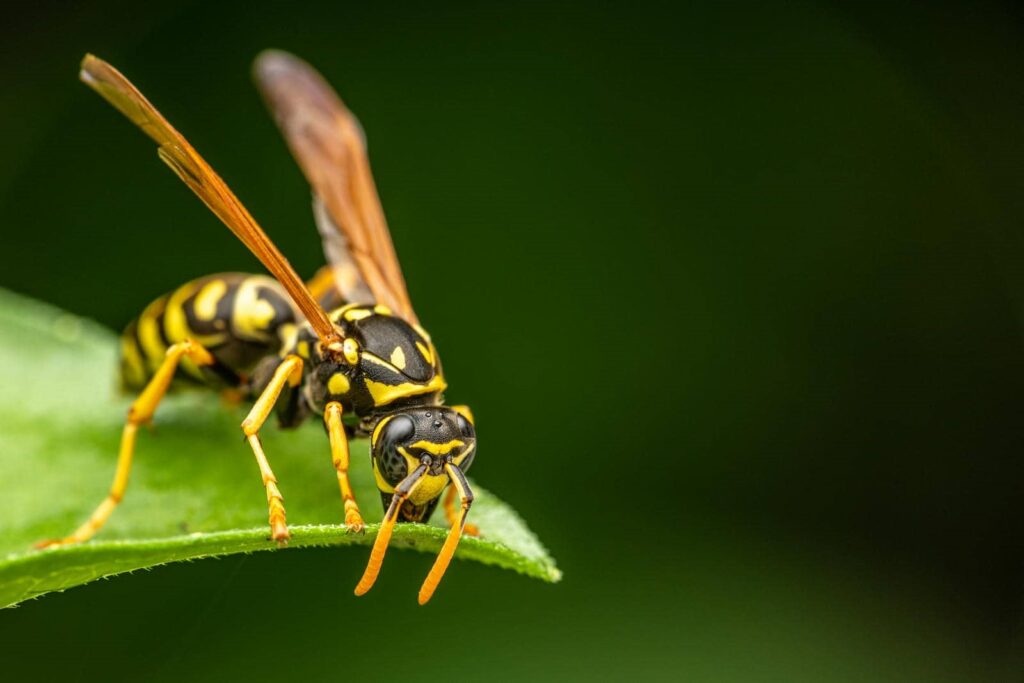
Understanding wasp behavior and habitat is essential for effective control and management. Wasps typically build nests in sheltered areas, using materials like wood fibers mixed with saliva. You’ll often find them nesting in trees, eaves, or even underground.
Their seasonal behavior plays a significant role in your approach to control. In spring, they emerge from hibernation, establishing new colonies and increasing activity. By late summer, nests can reach their peak population. Recognizing these patterns helps you anticipate wasp presence and take proactive measures.
Natural Predators of Wasps
When considering sustainable wasp control, it’s essential to recognize the role of natural predators.
Birds and certain beneficial insects actively hunt wasps, helping to maintain their populations.
Birds as Wasp Predators
While many people focus on chemical methods for wasp control, you might be surprised to learn that birds play an essential role as natural predators of these pests.
Various bird species, including blue jays and swallows, actively hunt and consume wasps, helping to keep wasp populations in check. By attracting these birds to your garden, you can foster a natural balance, reducing the need for chemical interventions.
Planting native vegetation encourages their presence, as it provides food and nesting sites. Additionally, creating a welcoming habitat supports not just birds but a diverse ecosystem.
Understanding the connection between these avian predators and wasps allows you to embrace a more sustainable approach to garden management, benefiting both your plants and the environment.
Beneficial Insects’ Role
Birds aren’t the only natural allies in the battle against wasps; beneficial insects also play a pivotal role as predators.
You may not realize that certain insects, like spiders and some beetles, actively hunt wasps, helping to maintain ecosystem balance. By encouraging these beneficial predators in your garden, you’re controlling wasp populations and enhancing pollination benefits.
For example, many of these insects contribute to the pollination of your plants, ensuring a thriving garden. Creating a habitat that attracts these allies—like native plants and minimal pesticide use—can greatly improve biodiversity.
Ultimately, by fostering a supportive environment for beneficial insects, you’re promoting a healthier ecosystem while managing wasp issues sustainably.
Homemade Wasp Repellents
When it comes to homemade wasp repellents, knowing the essential ingredients is vital for effectiveness.
You can create a reliable solution using common household items, and understanding the best application methods will enhance your results.
Let’s explore how to mix these ingredients and apply them properly to keep wasps at bay.
Essential Ingredients Needed
To effectively create homemade wasp repellents, you’ll need a few essential ingredients that have proven to deter these pests.
Start with natural ingredients like vinegar and water, which form an effective mixture when combined in equal parts; this solution disrupts the wasps’ sense of smell.
Essential oils, such as peppermint or clove oil, are also crucial; just a few drops mixed with your vinegar solution can enhance its repellent properties.
Additionally, adding a bit of dish soap helps break surface tension, ensuring the mixture adheres better to surfaces.
By using these ingredients, you can create effective mixtures that repel wasps while aligning with your desire for eco-friendly gardening practices.
Embrace these methods for a harmonious garden environment.
Application Methods Explained
Effective application methods for homemade wasp repellents can greatly enhance their efficacy. To ensure optimal results, consider using specific application techniques tailored to your garden’s needs.
One effective approach is utilizing spray methods, which allow for even distribution of your repellent. Fill a spray bottle with your prepared solution and target areas where wasps are likely to nest or frequent. For better adherence, spray during cooler times of the day, as wasps are less active.
Additionally, make sure you’re covering all potential entry points to deter them effectively. Regularly reapply your mixture, especially after rain, to maintain its repellent properties.
Planting Wasp-Repellent Flora
While many people may view wasps as a nuisance, strategically planting wasp-repellent flora can greatly reduce their presence in your garden.
Consider incorporating herbaceous plants like mint, basil, and citronella, which emit scents that deter wasps. Flowering shrubs such as geraniums and wormwood serve dual purposes: they beautify your space while keeping wasps at bay.
These plants create a welcoming environment for your garden and foster a sense of community among gardeners who share similar sustainability goals.
Creating Physical Barriers
Creating physical barriers can greatly enhance your efforts in managing wasp populations in your garden. By implementing structures like garden fences, you can effectively deter wasps from invading your outdoor spaces. Confirm these fences are tall enough to prevent curious wasps from easily flying over.
Additionally, consider using netting or mesh around fruit trees and outdoor dining areas. This protects your plants and creates a safe zone for you and your family. Regularly inspect these barriers for any gaps or damage that may allow wasps to enter.
Utilizing Traps for Sustainable Control
When it comes to sustainable wasp control, utilizing traps offers effective solutions that minimize environmental impact.
You can create homemade traps using simple ingredients or choose eco-friendly commercial options designed to attract and capture wasps without harmful pesticides.
Both methods provide a strategic way to manage wasp populations while maintaining a balance with nature.
Homemade Trap Solutions
Homemade traps can be an effective and eco-friendly solution for managing wasp populations around your home. By using readily available DIY materials, you can create traps that reduce wasp numbers while minimizing environmental impact.
For instance, a simple sugar-water solution in a plastic bottle attracts wasps, while a funnel design prevents them from escaping. The effectiveness of your homemade solution hinges on strategic placement—locate it away from high-traffic areas to draw wasps in without disrupting your outdoor activities.
Regularly checking and maintaining your traps will enhance their function, contributing to a sustainable garden environment. Embracing these methods fosters a sense of community and shared responsibility for nature, making your gardening experience more fulfilling.
Eco-Friendly Trap Options
Effective wasp control can also be achieved through eco-friendly trap options that utilize commercially available materials designed for sustainability.
These traps often use sustainable materials, such as recycled plastics, to minimize environmental impact. You can enhance their effectiveness by incorporating natural bait options like sugar water or fruit juice, which attract wasps without harmful chemicals.
Position these traps away from areas where you gather, drawing wasps away and reducing encounters. Regular maintenance is key; check traps to verify they function properly and replace bait as needed.
Timing Your Control Efforts
Although wasp control can be challenging, timing your efforts is essential for success.
To effectively manage wasps, consider the following strategies:
- Monitor peak wasp activity during late summer and early fall.
- Implement seasonal control measures before wasps establish nests.
- Use traps early in the season to intercept foraging wasps.
- Identify nesting sites during spring when wasp populations are low.
- Stay vigilant and adjust your tactics as the season progresses.
Maintaining a Clean Garden Environment
To keep wasps at bay, maintaining a clean garden environment is essential. Start by implementing effective garden cleanliness tips, such as regularly removing fallen fruit, which attracts wasps.
Make certain trash cans are tightly sealed, and compost bins are managed properly to minimize odors. Good compost management involves turning the pile frequently to promote decomposition and prevent attracting pests.
Additionally, keep your garden clutter-free; wasps are drawn to hidden spots where they can build nests. By routinely inspecting your garden and promptly addressing any debris, you cultivate an inviting atmosphere for beneficial insects while discouraging unwanted wasps.
Together, these practices create a healthier garden ecosystem, fostering a sense of community among fellow garden enthusiasts.
Monitoring and Assessing Wasp Activity
After establishing a clean garden environment, the next step is monitoring and evaluating wasp activity. This ensurse you understand the dynamics of your garden’s ecosystem and can implement effective control measures.
Here are some key strategies:
Conduct regular wasp population surveys to gauge their numbers.
Observe seasonal activity patterns to identify peak times for wasp presence.
Note specific locations where wasps are most active.
Record any interactions between wasps and other garden wildlife.
Use traps strategically to monitor wasp populations without harming beneficial insects.
Collaborating With Local Wildlife for Balance
While many gardeners focus solely on controlling wasp populations, collaborating with local wildlife can create a more balanced ecosystem in your garden.
Establishing wildlife partnerships encourages beneficial insects, birds, and other creatures to thrive alongside you. For instance, encouraging natural predators like birds and certain insects can help manage wasp populations without chemical interventions.
Planting native flora attracts these allies and promotes ecological harmony, as they contribute to pollination and pest control. You’ll find that a diverse garden supports local wildlife and enhances your gardening experience.
Frequently Asked Questions
Are Wasps Beneficial for My Garden Ecosystem?
Yes, wasps are beneficial for your garden ecosystem. They offer wasp pollination benefits and act as natural pest control, keeping harmful insect populations in check while supporting a balanced environment for your plants to thrive.
How Do Weather Conditions Affect Wasp Activity?
Weather conditions greatly influence wasp behavior patterns. Higher temperatures typically boost their activity, while cooler weather can reduce it. Understanding these seasonal temperature effects can help you anticipate wasp presence and plan your gardening activities effectively.
What Time of Year Are Wasps Most Aggressive?
Wasps are most aggressive late summer to early fall, driven by their behavior patterns and seasonal nesting. As food sources dwindle, they become more territorial, making encounters with humans more frequent and potentially dangerous.
Can I Relocate a Wasp Nest Safely?
You can relocate a wasp nest safely, but it’s essential to follow safety measures. Wear protective clothing, choose a calm evening, and use a humane method to ensure both your safety and the wasps’ well-being.
Are There Any Chemical-Free Store-Bought Products for Wasp Control?
You can find plant-based sprays and natural repellents that keep wasps at bay without chemicals. Just like a shield protecting your garden, these products create a safe haven for your plants and loved ones.
Summary
By implementing these sustainable wasp control techniques, you can effectively manage wasp populations while preserving the health of your garden ecosystem. You might worry that these methods are less effective than chemical solutions, but they provide a balanced approach that fosters beneficial insect life. Embracing eco-friendly practices protects your plants and enhances biodiversity, leading to a more resilient garden. Remember, a harmonious environment ultimately benefits your gardening efforts in the long run.
Recent Posts
Do Mice Go Away on Their Own? The Honest Answer
You may not realize that mice often stay put even when a home feels busy
Mouse Droppings vs Rat Droppings: Identify Your Intruder
You may not know that droppings can tell you more than just whether rodents are
What Attracts Mice to a Clean House? 7 Surprising Culprits
Some homes report some mouse activity each year, and even a spotless house can still