
Contents
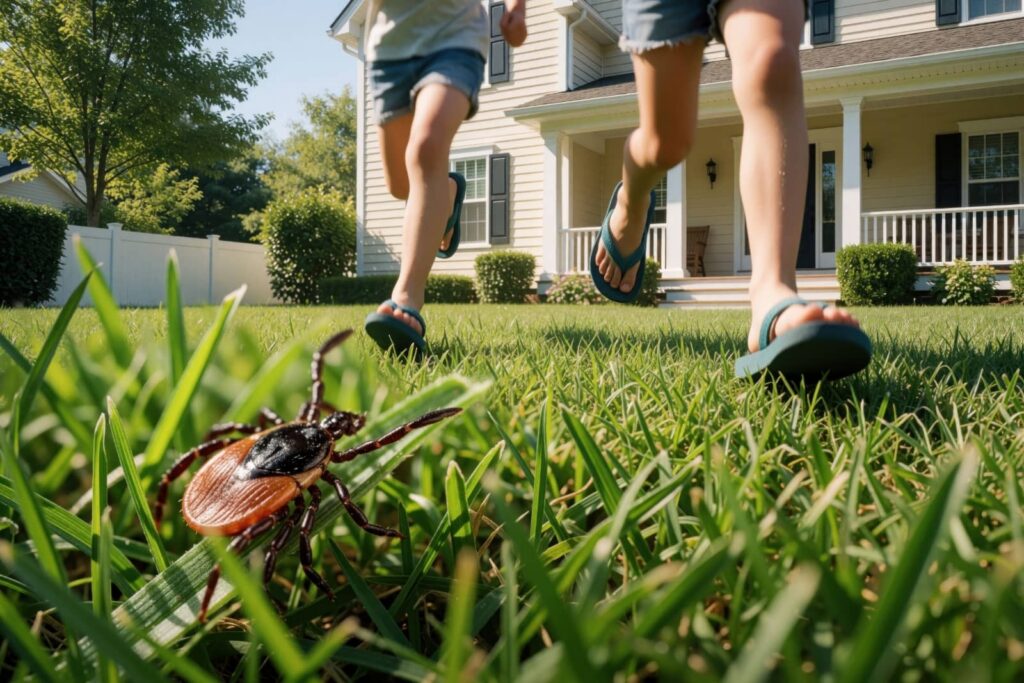
If you want to keep ticks away from your family, you need to make your yard less inviting to them before they settle in. How to Get Rid of Ticks in Your Yard starts with identifying the shady, damp areas they favor, cutting back overgrowth, and removing leaf litter and woodpiles that give them cover. You can also strengthen your defenses with targeted barriers and pet protection, but the most effective plan starts with knowing where ticks hide most often.
Key Takeaways
- Mow regularly, trim weeds, and rake leaf litter to remove damp tick habitats.
- Keep woodpiles, compost, and yard debris away from play areas and wooded edges.
- Create a mulch or gravel barrier between lawn and woods to reduce tick migration.
- Check shady borders, fences, stone walls, and pet areas for tick hot spots after rain.
- Use pet tick prevention, inspect clothing and gear, and apply perimeter tick treatments as needed.
How to Get Rid of Ticks in Your Yard
Getting rid of ticks in your yard starts with changing the conditions that let them thrive.
If you’re asking how to get rid of ticks in your yard, begin by trimming overgrown grass, clearing leaf litter, and removing brush where moisture lingers.
Keep pets’ bedding and play areas away from dense edges, and create a tidy buffer between lawn and woods with mulch or gravel.
You’ll also strengthen your protection by applying barrier treatments around borders, foundations, and other entry points.
These steps don’t just lower tick pressure; they help your yard feel safer for everyone who spends time there.
When you want lasting control, partner with a professional mosquito and tick service that understands local tick habits and treats the problem at its source.
Find Your Yard’s Tick Hot Spots
Start by mapping the places ticks are most likely to hide, because the right fixes depend on where they’re living.
Walk your yard slowly and note shady edges, brushy borders, leaf piles, stone walls, woodpiles, and any spots where pets or deer pass through often.
Check the boundary areas between lawn and woods, gardens and fences, and play spaces near overgrown edges.
Use a phone photo or simple sketch so you can compare problem areas later.
You’ll usually find the highest activity where moisture lingers and people or animals brush past low vegetation.
Mark these hot spots clearly, then watch how they change after rain, mowing, or heavy use.
When your family knows the danger zones, you can target your efforts with confidence and keep everyone safer outside.
Remove the Habitat Ticks Love
Once you’ve marked the tick hot spots, clear out the conditions that let them thrive. Mow grass regularly, trim back weeds, and rake away leaves, brush, and other yard debris where ticks hide.
Keep firewood stacked neatly and lifted off the ground, because damp, shaded piles attract pests. Thin dense shrubs and low branches so sunlight can dry the soil and make the space less inviting.
If you have woodpiles, compost, or play areas near brush, move them into cleaner, open spaces. You’ll also want to reduce clutter along fences, sheds, and stone borders, since these edges often shelter rodents and deer that carry ticks.
When you shape a tidier yard, you create a safer outdoor space for everyone who belongs there.
Use Barrier Treatments Around Your Yard
You can add perimeter tick barriers around your yard to help block ticks before they reach your lawn and outdoor spaces.
Use a labeled barrier treatment along wooded edges, fence lines, and other high-risk areas where ticks travel.
Reapply as directed to keep protection consistent through the season.
Perimeter Tick Barriers
To help keep ticks from moving into your yard, apply barrier treatments along the perimeter where wooded areas, tall grass, and landscaped beds meet your lawn.
You’re creating a protective edge that makes it harder for ticks to cross into the spaces where your family plays, pets roam, and neighbors gather.
Focus on fence lines, property borders, and shaded boundaries, since ticks often wait there for a host.
Keep the treated zone consistent and well-defined so your yard feels safer and more welcoming.
When you combine perimeter barriers with clear edges and regular yard maintenance, you reduce hiding places and lower tick pressure around your home.
That means you can enjoy your outdoor space with more confidence and less worry.
Reapply For Lasting Protection
Barrier treatments work best when you keep them on a regular schedule, especially around the yard’s edges where ticks are most likely to travel.
You should reapply products after heavy rain, mowing, or the treatment window your label recommends, because protection fades over time.
Focus on shaded borders, brush lines, and spots where pets and kids play, since those are common crossing points.
When you stay consistent, you build a stronger perimeter that helps your family enjoy the yard with more confidence.
Pair reapplication with mowing, leaf cleanup, and trimming to make each treatment last longer.
If tick pressure stays high, call a professional to assess your property and maintain coverage.
That way, you keep your yard welcoming, comfortable, and better defended season after season.
Treat Pets and Outdoor Gear
Treat your pets regularly with a tick prevention product your veterinarian recommends, and check them after they’ve been outdoors.
You should also inspect shoes, packs, blankets, and other outdoor gear before you bring them inside. This simple routine helps keep ticks from moving from your yard into your home.
Treat Pets Regularly
Keeping ticks off your pets can make a big difference in how many end up in your yard, so use veterinarian-recommended tick preventives on schedule and check your animals after they’ve been outdoors.
When you stay consistent, you protect your pet and reduce the chances of ticks spreading through the spaces your family enjoys. Ask your veterinarian which product fits your pet’s age, weight, and health needs, then follow the label closely.
Make treatment part of your routine, just like feeding or walks, so it doesn’t slip. If you live with dogs or cats, you’re not alone in wanting a safer yard. Small, steady habits matter, and they help your household feel more comfortable outside.
Keep up with refills, and don’t skip doses during cooler months either.
Inspect Outdoor Gear
Ticks can hitch a ride on more than pets, so you should inspect outdoor gear after every yard work session, hike, or playtime outside.
Check shoes, socks, pant cuffs, hat brims, backpack straps, and gloves before you bring them indoors. Shake items out over a hard surface, then brush off any debris and launder washable clothing on hot.
If you used blankets, sports gear, or garden kneelers, inspect seams and folds carefully, since ticks hide in dark, protected spots.
Keep a dedicated bin near your entryway for dirty gear, and make this quick check part of your routine. When your family does it together, you’ll lower the chance of ticks moving from the yard to your home.
Build a Tick-Safe Yard Buffer
A clean buffer zone can do a lot of heavy lifting against ticks. Start by creating a 3-foot strip between lawn and woods, using gravel, wood chips, or mulch. Keep this area dry, open, and easy to spot when you walk by.
Trim back shrubs, remove leaf litter, and edge overgrown plants so ticks lose shady hiding places. Place play areas, patios, and seating where your family naturally spends time in the sun.
Stack firewood neatly and store it away from the yard edge. Rake regularly and keep grass short near the border.
When you shape the yard this way, you’re building a shared space that feels safer, cleaner, and easier to enjoy together. Small boundary changes help you protect the people you care about.
Know When to Call a Pro
If ticks keep showing up after you’ve cleaned up the yard, set barriers, and cut back hiding spots, it may be time to call a pro.
You don’t have to manage a heavy tick problem alone. A licensed technician can inspect your property, identify high-risk areas, and apply targeted treatments where ticks actually live and travel. That gives you a smarter, safer approach than guessing.
Call for help if you’re finding ticks on pets, spotting them near play areas, or dealing with wildlife activity you can’t control.
Professional support also helps when you want faster results without turning your yard into a constant project. When you bring in an expert, you protect your space and give your household more confidence outdoors.
Keep Ticks From Coming Back
Consistency is what keeps ticks from reclaiming your yard, so make prevention part of your regular routine.
Mow often, rake leaf litter, and trim brush to remove the damp, shaded cover ticks love. Keep woodpiles dry and away from play areas, and create a gravel or wood-chip border between lawn and woods to limit migration.
Inspect fences, shrubs, and pet zones after rain, then reapply barrier treatments as directed to maintain protection.
If your yard borders dense vegetation or you’ve dealt with repeated activity, schedule professional mosquito and tick control before the problem grows.
You don’t have to fight ticks alone; with steady upkeep and smart follow-through, you can keep your outdoor space safer and more welcoming for everyone who gathers there.
Frequently Asked Questions
How Often Should I Check My Family for Tick Bites?
Check your family after every outdoor outing, and again at bedtime. You’ll catch ticks fast by inspecting hair, ears, waistbands, and behind knees. If you’ve been in brush or grass, check daily for several days.
Which Tick Species Are Most Common in Suburban Yards?
In suburban yards, you’ll usually find blacklegged ticks, American dog ticks, and lone star ticks—three species that can hide in grass and leaf litter. Clear brush, trim edges, and you’ll cut their chances fast.
Do Ticks Stay Active During Winter in Mild Climates?
Yes—ticks can stay active through winter in mild climates, especially when temperatures stay above freezing. You’ll still need yard cleanup, leaf removal, and targeted treatments to reduce their numbers and protect your family.
Can Birds or Squirrels Bring Ticks Into My Yard?
Yes—birds and squirrels can bring ticks into your yard, and they’re often the straw that stirs the drink. You can reduce risk by trimming brush, limiting wildlife attractants, and using professional tick control.
What Symptoms Suggest a Tick-Borne Illness After a Bite?
Fever, headache, fatigue, rash, muscle aches, and joint pain can suggest a tick-borne illness after a bite. You should watch for swelling or flu-like symptoms, and contact your doctor promptly if they appear.
Final Thoughts
You can stop ticks from turning your yard into a threat zone by staying steady and strategic. Mow, mulch, and manage moisture to make your space less tick-friendly. Focus on shady spots, secure pets with vet-approved protection, and inspect clothes and gear after outdoor time. Add barrier treatments where needed, and don’t hesitate to call a pro for persistent problems. With consistent care, you’ll keep ticks back and your family safer.
Recent Posts
How to Check Your Dog for Ticks: A 2-Minute Routine for Michigan Pet Owners
You can check your dog for ticks in two minutes if you know where to
Does Mosquito Spraying Really Work? Separating Fact From Fiction
If you’re wondering whether mosquito spraying really works, the answer is yes, but only under
Tick Diseases in Michigan: What Every Homeowner Should Know
In Michigan, the quiet bite can carry more than a nuisance. Tick Diseases in Michigan