
Contents
Termite infestations can cause significant damage to your home, and tackling them doesn’t have to drain your wallet. By understanding effective, budget-friendly methods, you can take control of the situation with simple DIY strategies. Natural repellents, bait systems, and preventive measures can be your first line of defense. However, knowing when to call in the professionals is equally essential. Let’s explore how you can safeguard your home without overspending.
Key Takeaways
- Identify signs of termite activity, such as mud tubes and hollow-sounding wood, to assess the extent of your infestation.
- Use natural repellents like orange or neem oil; apply directly to affected wood for effective deterrence.
- Set up DIY bait systems with cardboard or wood to monitor termite activity and replace them regularly.
- Maintain proper moisture control by fixing leaks and ensuring good drainage to prevent attracting termites.
- Regularly inspect your property and establish barriers like cedar mulch to deter termites and protect your home.
Understanding Termite Infestations
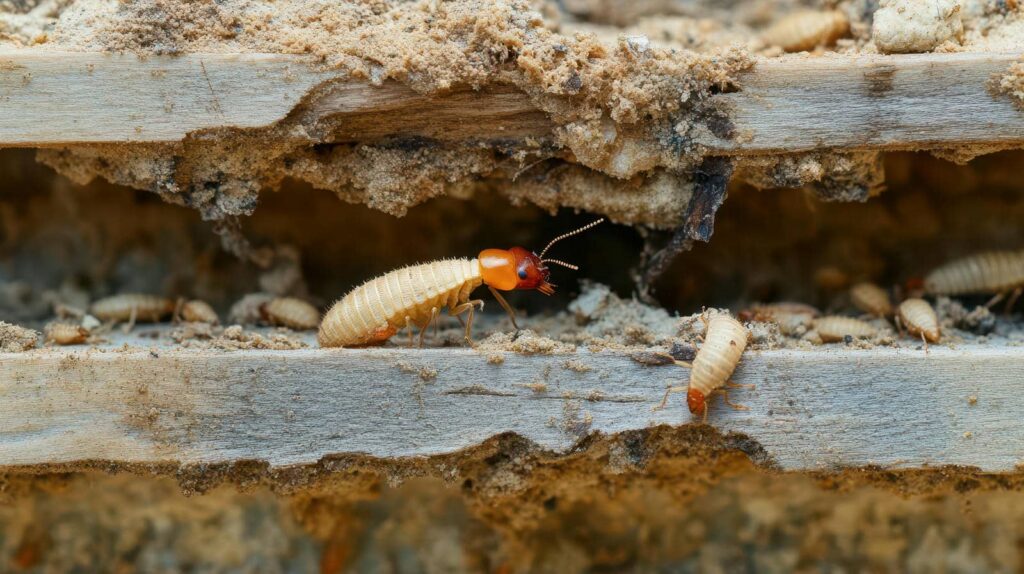
While you mightn’t notice them at first, termite infestations can wreak havoc on your home if left unchecked. Understanding termite behavior is essential for effective detection.
These pests often operate silently, making early signs detection challenging. Look for mud tubes along foundations, discarded wings, and hollow-sounding wood, as these indicators reveal their presence.
Termites usually swarm during specific seasons, so being aware of these patterns can help you spot them sooner. Additionally, moisture attracts termites, so check areas prone to dampness.
Regular inspections and monitoring can foster a sense of community responsibility, empowering you and your neighbors to protect your homes together. By recognizing these signs early, you can take necessary action before the damage escalates.
Cost-Effective DIY Termite Control Methods
When faced with a termite infestation, you don’t have to break the bank to tackle the problem. Start by using natural repellents like orange oil or neem oil, which can deter termites effectively.
Apply these oils directly to affected wood or areas where you suspect termite activity.
Another cost-effective method is to set up bait systems using cardboard or wood. Place these materials in areas where termites are active; they’ll be attracted to the cellulose, allowing you to monitor and reduce their population.
Remember to check these bait systems regularly and replace them as needed.
When to Consider Professional Extermination Services
If your DIY efforts haven’t yielded the desired results or the infestation appears to be escalating, it may be time to contemplate professional extermination services.
Look for signs of infestation, such as mud tubes, discarded wings, or hollow-sounding wood. If you notice these indicators and your methods haven’t worked, a pest inspection is essential.
Professionals possess the expertise and tools to assess the situation accurately and identify the extent of the problem. They can pinpoint hidden colonies and recommend targeted treatments that DIY methods might miss.
Furthermore, their preventative strategies can help shield your home from future infestations.
Ultimately, investing in professional extermination ensures a thorough and effective solution, safeguarding your home and your peace of mind.
Comparing Prices: DIY vs. Professional Solutions
Understanding the costs of termite extermination is essential for homeowners facing an infestation. You’ll need to weigh DIY costs against professional rates to determine the best option for your situation. Here’s a breakdown:
DIY Costs: Typically range from $50 to $300, depending on products used.
Professional Rates: Usually range from $200 to $2,500, influenced by the severity of the infestation.
Time Investment: DIY solutions may require several days for effective application, while professionals can often resolve issues in one visit.
Effectiveness: Professionals ensure results, whereas DIY methods may not fully eradicate pests.
Preventive Measures for Long-Term Savings
While many homeowners focus on immediate solutions for termite issues, implementing preventive measures can lead to substantial long-term savings.
Start by establishing natural barriers, such as using mulch made from cedar or cypress, which deter termites. Additionally, ensure proper moisture control around your home. Fix leaky faucets and gutters, and maintain good drainage to keep wood structures dry.
Regularly inspect your property for signs of termite activity and address issues promptly. You should also store firewood away from your home’s foundation to minimize risk.
By taking these proactive steps, you protect your investment and foster a sense of community responsibility in keeping homes safe from termite infestations.
Simple actions now can save you significant costs later.
Frequently Asked Questions
What Are the Signs of a Termite Infestation?
You’ll notice signs of a termite infestation through hollow-sounding wood, mud tubes, and discarded wings. Understanding termite behavior helps in early detection and effective infestation prevention, protecting your home from potential damage. Stay vigilant!
How Long Does a Termite Treatment Typically Last?
A termite treatment typically lasts between one to five years, depending on effectiveness factors like treatment type, environmental conditions, and maintenance. Regular inspections can ensure you catch any issues early, extending treatment benefits.
Can Termites Damage My Furniture?
Yes, termites can damage your furniture, especially wooden pieces. Implementing termite prevention strategies now can protect various furniture types from costly destruction later.
Are There Natural Remedies for Termite Control?
Yes, there are natural remedies for termite control. You can use natural deterrents like essential oils, such as orange or neem oil, which effectively repel termites while being safe for your home and environment.
Do Termites Only Live in Wood?
Termites don’t just live in wood; they thrive in diverse habitats. Their behavior reflects a quest for moisture and shelter, often finding refuge in soil, decaying matter, and even within walls, enhancing their survival.
Summary
You can effectively combat termite infestations by using budget-friendly methods. By applying natural repellents, creating bait systems, and maintaining moisture control, you safeguard your home while saving money. You’ll protect your investment and gain peace of mind. Whether you choose DIY solutions or opt for professional help, being proactive and vigilant ensures long-term protection. Stay informed, stay prepared, and enjoy a termite-free home without overspending.
Recent Posts
5 Effective Earwig Removal Techniques for Homes
If you’ve noticed earwigs invading your home, it’s essential to act quickly. These pests can
Why Use Effective Earwig Removal Techniques at Home?
Earwigs may seem harmless, but they can wreak havoc on your garden and even invade
5 Effective Spider Control Tips for Homeowners
If you’re looking to keep these eight-legged visitors at bay, there are effective spider control