
Contents
If you’re dealing with earwigs in your home or garden, you need a clear plan to tackle the issue effectively. Understanding their behavior and habits is essential for successful removal. It’s not just about getting rid of them; it’s about preventing them from coming back. By following a structured approach that includes prevention, natural remedies, and chemical solutions, you can reclaim your space. Let’s explore the best strategies for managing these pests, including options for Local Pest Control.
Key Takeaways
- Implement preventative landscaping by trimming vegetation and managing moisture to reduce earwig attraction near your home.
- Use natural remedies like essential oil sprays or food-grade diatomaceous earth for effective earwig control.
- Apply insecticidal sprays labeled for earwigs around entry points during their active evening hours for targeted treatment.
- Monitor for signs of infestation, such as frequent sightings or damage, and consider professional help if the problem persists.
- Maintain a dry environment by fixing leaks and sealing cracks to deter earwigs from entering your home.
Understanding Earwigs and Their Behavior
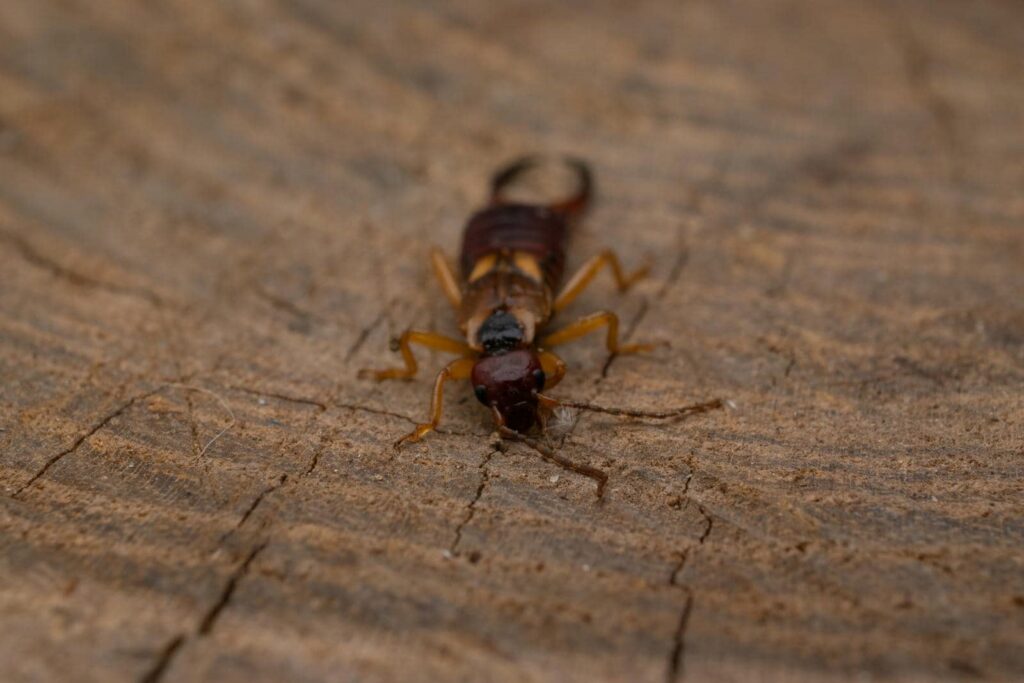
Earwigs, often misunderstood due to their intimidating pincers, play a unique role in the ecosystem. Understanding earwig anatomy helps you appreciate these creatures better. They possess elongated bodies, typically measuring about one inch in length, and their distinctive pincers, which are used mostly for defense and mating displays.
When it comes to earwig habits, you’ll find they’re primarily nocturnal, coming out at night to hunt for soft-bodied insects and decaying plant material. This diet helps control pest populations and contributes to soil health.
You may notice them hiding in damp, dark places during the day, seeking moisture and shelter.
Preventative Measures to Keep Earwigs Away
To keep earwigs at bay, creating an environment that’s less inviting is key. Start with preventative landscaping by trimming back dense vegetation and keeping mulch at least a few inches away from your home’s foundation. This reduces the hiding spots earwigs love.
Next, focus on moisture control. Earwigs thrive in damp conditions, so fix any leaks and ensure proper drainage around your home. Use dehumidifiers in particularly humid areas to lower moisture levels.
Additionally, sealing cracks and gaps in your home can prevent earwigs from finding their way inside. It’s also wise to store firewood and other organic materials away from your home, as these can attract pests.
Natural Remedies for Earwig Control
While you might prefer not to use harsh chemicals, several natural remedies can effectively control earwig populations in and around your home.
Here are some methods you can try:
Essential oils: Mix water with a few drops of essential oils like peppermint or tea tree, then spray the mixture around entry points.
Diatomaceous earth: Sprinkle food-grade diatomaceous earth in areas where you notice earwigs. This natural powder dehydrates and kills them upon contact.
Soap solution: Combine water and liquid soap in a spray bottle and apply it directly to earwigs.
Traps: Place damp newspaper or cardboard in your garden overnight; in the morning, discard any trapped earwigs.
Moisture control: Reduce damp areas in your home, as earwigs thrive in moisture-rich environments.
These natural options help manage earwig populations and keep your home safe from harsh chemicals.
Chemical Solutions for Earwig Infestation
If natural remedies haven’t resolved your earwig issue, chemical solutions can provide a more immediate and potent approach to infestation control.
Start by selecting the right chemical treatments tailored for earwigs. Look for insecticidal sprays specifically labeled for this pest; they’re designed to target earwigs effectively without harming your plants or home.
Before applying, read the instructions carefully to ensure safety for your family and pets. Spray around entry points, such as doorways and windows, and focus on damp areas where earwigs thrive.
Remember, timing is essential; apply the insecticidal sprays during the evening when earwigs are most active.
Regular follow-ups may be necessary, as these chemicals won’t provide a permanent solution.
Combine them with preventive measures like reducing moisture and clearing debris to create an environment that’s less inviting to these pests.
With the right approach, you can reclaim your space from earwigs.
When to Call a Professional Exterminator
Knowing when to call a professional exterminator can save you time and frustration, especially if your earwig problem persists despite your best efforts.
If you notice any of the following signs of infestation, it’s time to reach out for expert help:
- Frequent sightings of earwigs in your home.
- Visible damage to plants or other household items.
- Increased moisture in areas like basements or bathrooms, attracting pests.
- Difficulty identifying the source of the problem or other pest issues.
- Family members suffering from allergies or anxiety due to pests.
Professional pest control agents can help with pest identification and implement effective solutions that you may not have access to.
Don’t hesitate to call for assistance; ensuring your home remains pest-free is a priority for you and your family.
Final Thoughts
Ultimately, tackling an earwig infestation isn’t just about removing the pests; it’s about reclaiming your peace of mind. By understanding their behavior and implementing preventative measures, you can create a home that’s less inviting to these unwelcome guests. Remember, natural remedies can be effective, but if the problem lingers, don’t hesitate to call a professional. Protecting your space from earwigs means ensuring your comfort and safety, and that’s a truth worth investing in.
Recent Posts
How to Keep Mice Out of Your House This Fall: 10 Prevention Steps That Work
As temperatures drop, mice start looking for warmth, food, and cover, and your home can
Mice Removal: The Complete Guide for West Michigan Homeowners
If you’re noticing scratching in the walls, droppings in the pantry, or chewed insulation, mice
Expert Colony Removal for Persistent Pests
When you see ants beyond a few stray workers, you’re likely dealing with an active