
Contents
If you’re seeing springtails appear in waves each spring and fall, the pattern usually points to moisture, not a random invasion. You can suppress them by tracking damp zones, checking basements, crawl spaces, mulch beds, and foundation gaps, then correcting leaks and humidity first. Once you know where they’re entering and why they’re staying, the next steps become much more targeted—and a lot more effective.
Key Takeaways
- Springtails thrive in moisture, so seasonal outbreaks usually follow rain, humidity spikes, or damp indoor conditions.
- Find and fix moisture sources like leaks, condensation, poor ventilation, and wet crawl spaces or basements.
- Keep indoor humidity below 60% with dehumidifiers, exhaust fans, and quick drying of wet surfaces.
- Reduce outdoor harborage by clearing leaf litter, improving drainage, and sealing foundation gaps and utility openings.
- Call an exterminator if springtails persist indoors after drying, sealing, cleaning, and humidity control efforts.
What Springtails Are and Why They Spike
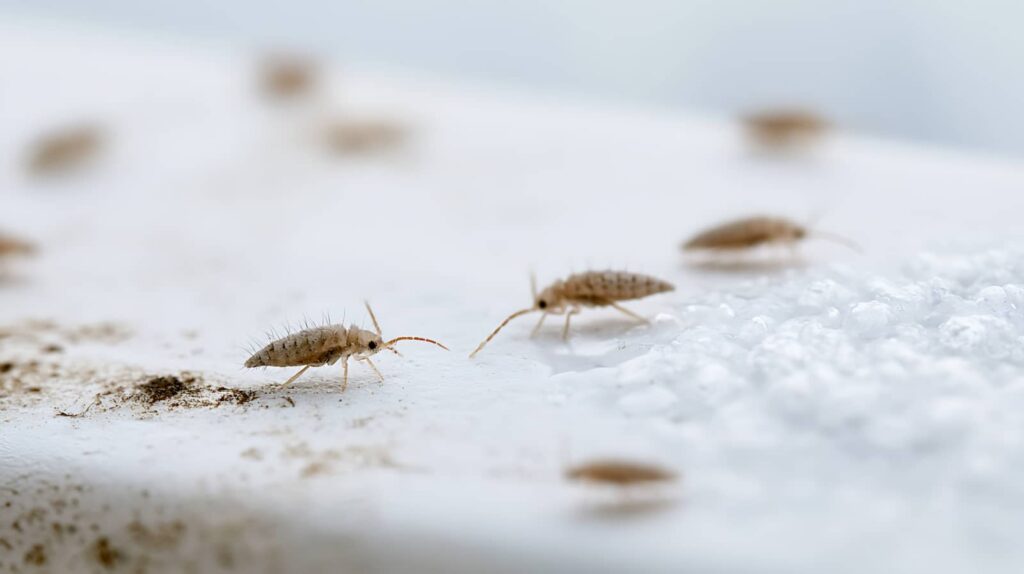
Springtails are tiny, wingless, moisture-loving arthropods that feed on fungi, decaying organic matter, and microorganisms in damp soil, mulch, and indoor areas with persistent humidity.
You’re dealing with a species group whose springtail biology centers on rapid reproduction, limited desiccation tolerance, and strong dependence on moisture. When environmental triggers like heavy rain, flooding, watering, or indoor humidity shifts occur, they move from saturated substrates into adjacent spaces in search of stable conditions.
That’s why populations can spike fast after weather changes or plumbing issues. You’ll usually see short-lived surges, not permanent colonies, because they need continual moisture to persist.
If you understand these patterns, you can predict when pressure will rise and act before the infestation feels overwhelming.
Where Springtails Hide Indoors
You’ll usually find them in the dampest parts of a structure first: around leaking pipes, sink cabinets, tub surrounds, floor drains, sump pits, foundation cracks, and the edges of wet windows or door thresholds.
From there, check hidden habitats where humidity stays trapped, like under stored boxes, behind baseboards, beneath appliances, inside crawlspace access points, and along insulation facing cool surfaces.
Springtails use these zones for seasonal hiding because the air stays moist and the surfaces stay protected. You can narrow your search by tracing clustered activity along seams, expansion joints, and utility penetrations.
Inspect shaded areas methodically, since they often move between adjacent pockets rather than crossing open, dry space. When you map these locations, you’ll spot the patterns that keep your home feeling under control.
Find the Moisture Source
Once you’ve traced where springtails collect, the next step is to pinpoint what’s feeding that activity: excess moisture.
You should use moisture detection tools to check damp floors, wall edges, plumbing lines, and hidden crawl spaces. Track environmental factors like humidity spikes, poor airflow, condensation, and wet soil near entry points.
If you notice recurring dampness after rain or during HVAC cycles, note the pattern and location. Compare dry rooms with affected ones so you can isolate the source quickly.
Bring your observations together in a simple map; that helps you act with confidence and stay connected to what’s happening in your space.
When you identify the wettest zones, you’ll understand why springtails keep returning and can move forward with a focused plan.
Fix Indoor Springtail Problems at the Source
Now that you’ve identified the wettest areas, fix the conditions that let springtails thrive by removing the moisture at its source.
Repair dripping faucets, sweating pipes, and failed appliance hoses immediately. Run exhaust fans during showers and cooking, and keep indoor humidity below 60% with a dehumidifier or HVAC settings.
Dry damp sinks, tubs, and floors after use, and empty drip trays before water stands long enough for colonies to recover. If you use organic treatments, apply them only after surfaces are dry, so they don’t get diluted.
Check crawl spaces, basements, and laundry rooms daily until readings stabilize. When you control moisture consistently, you protect your space and make springtail activity drop fast.
Seal Springtail Entry Points
After moisture is under control, inspect the building envelope for gaps that let springtails move indoors and seal them with the right materials.
Focus on entry point identification around foundation cracks, utility penetrations, door thresholds, siding joints, window frames, and vents.
Use sealing techniques matched to the substrate: polyurethane caulk for moving joints, silicone for exterior trim, foam backer rod for wider gaps, and mortar or patching compound for masonry defects.
Check weatherstripping and door sweeps for full contact, and replace damaged screens with tight mesh.
You’ll protect your space best when you work methodically, section by section, so no overlooked opening stays available.
Reinspect after rain or temperature swings, because small shifts can reopen gaps and invite springtails back inside.
Use Springtail Treatments Safely
With moisture corrected and entry points sealed, you can use targeted springtail treatments to knock down remaining activity indoors and around the foundation.
Choose products labeled for springtails, and follow the label exactly; it’s the law and the safest path for your household. Wear protective gear such as gloves, eye protection, and a respirator if the label requires it.
Mix only the amount you need, apply in thin, controlled bands, and avoid saturating floors, walls, or fabrics. Keep children, pets, and roommates away until treated areas dry or ventilate as directed.
For safe applications, treat cracks, baseboards, and foundation perimeter zones rather than broad surfaces. If you’re unsure, ask a licensed pro so your crew stays protected and the treatment works cleanly.
Reduce Springtails Outdoors
To reduce springtails outdoors, you should remove excess moisture around your foundation by fixing leaks, improving drainage, and keeping irrigation off saturated areas.
Clear leaf litter, mulch buildup, and other damp debris that shelter springtails near your home.
Seal foundation gaps and utility penetrations to block entry points and limit harborage.
Remove Outdoor Moisture
Cut springtail pressure at the source by reducing outdoor moisture around your home. Inspect gutters, downspouts, and splash zones, then direct runoff well away from the foundation.
You can add drainage solutions such as buried extensions, French drains, or gravel channels where water lingers.
Make landscaping adjustments by regrading low spots, raising soil away from siding, and keeping mulch thin and dry near walls.
Fix leaking spigots, irrigation heads, and hose bibs quickly, because persistent dampness creates ideal habitat.
Water lawns early, not late, so surfaces dry before nightfall. If you keep exterior surfaces drier than the surrounding soil, you’ll make your home far less inviting to springtails and help your household stay ahead of seasonal pressure together.
Clear Leaf Litter
Rake up leaf litter, pine needles, and other decaying plant debris around foundations, crawl spaces, and shaded beds, because these damp layers hold moisture and shelter springtails.
Keep leaf management routine and remove fresh buildup weekly after rain, so you don’t recreate their hiding places. Bag or compost dry material away from the house, and trim back overhanging branches that keep the ground cool and wet.
Focus litter maintenance on low spots, mulch edges, and dense groundcover where debris traps humidity. You’ll lower surface moisture, cut food sources, and make the area less favorable for breeding.
When you stay consistent, you’re part of the group that keeps springtails outside, where they belong. Check the same zones after storms, since new debris can settle fast and restore shelter.
Seal Foundation Gaps
Seal cracks and gaps along your foundation, siding, utility penetrations, and sill plates so springtails can’t use them as protected entry points or damp refuges.
Inspect the full perimeter after rain, then mark leaks with tape or chalk. Use durable caulk for hairline joints, low-expansion foam for larger voids, and backer rod where gaps run deep.
Pair gap sealing with intact foundation insulation to reduce condensation at cold surfaces. If you’ve got vented crawlspaces, check screens and weatherstripping too.
- Clean edges before sealing
- Match sealant to joint width
- Replace failed mortar promptly
- Recheck after seasonal movement
- Maintain dry grading near walls
Prevent Springtails Year-Round
To prevent springtails year-round, you need to control moisture at every entry point by fixing leaks, improving drainage, and keeping humidity low in crawl spaces, basements, and bathrooms.
You should also inspect mulch, soil, and door thresholds regularly, since these areas can stay favorable to springtails after heavy rain or snowmelt.
Adjust your prevention steps by season: seal gaps and manage indoor humidity before wet months, then remove standing water and excess organic debris as temperatures change.
Moisture Control Strategies
If you want to prevent springtails year-round, you need to control moisture at the source, because these pests thrive in consistently damp areas.
Start by checking humidity levels indoors and in crawl spaces, then correct any persistent wet spots. Use drainage solutions to move water away from foundations, patios, and low soil zones. Keep gutters clear so runoff doesn’t collect near entry points.
Inside, fix leaks fast and dry condensation on pipes, windows, and vents.
- Measure humidity regularly
- Seal plumbing leaks promptly
- Improve crawl-space ventilation
- Redirect surface water
- Dry wet materials quickly
When your home stays dry, you create a less inviting environment for springtails and support a cleaner, more comfortable space for everyone.
Seasonal Prevention Tips
As temperatures and rainfall patterns change through the year, you’ll need to adjust your springtail prevention routine to match the season.
In spring and fall, inspect mulch, leaf litter, and foundation gaps weekly, because rising moisture drives movement from outdoor habitats into your home.
In summer, keep irrigation targeted and trim dense vegetation so soil surfaces dry faster.
In winter, seal penetrations, maintain crawlspace ventilation, and watch for condensation around pipes. You’ll also want to clean gutters, repair downspouts, and store organic debris away from walls.
By tracking seasonal cycles, you and your household can stay ahead of infestations with consistent, shared habits.
Recheck problem areas after storms, since sudden moisture spikes often trigger new activity.
When to Call a Springtail Exterminator
When should you call a springtail exterminator? Call one when you keep seeing clusters indoors, especially after rain or moisture spikes.
Watch for infestation signs: tiny jumping insects near drains, windows, and damp baseboards. If your drying, sealing, and cleaning efforts fail, professional help can stop the cycle.
Exterminator benefits include targeted treatments, moisture diagnostics, and source control that you can’t always do alone.
- Repeated sightings in bathrooms or kitchens
- Soil, mulch, or crawlspace hotspots
- Wall voids, basements, or slab cracks
- Persistent humidity above 60%
- Allergy flare-ups or stress from recurring pests
You don’t need to manage this alone; a licensed technician can restore control and help you rejoin a pest-free home fast.
Frequently Asked Questions
Can Springtails Bite People or Pets?
No, you won’t get bitten by springtails; they don’t feed on people or pets. You’ll see springtail behavior that’s harmless, though pest prevention helps reduce moisture and stop indoor infestations from spreading.
Do Springtails Damage Furniture or Clothing?
No, springtails usually don’t damage your furniture or clothing. Their springtail behavior targets moisture and decaying matter, not fabrics or wood. You can focus on infestation prevention by reducing dampness and sealing entry points.
How Long Do Springtail Infestations Usually Last?
You’ll usually see springtail infestations last a few days to several weeks, depending on moisture and food. Infestation duration follows seasonal patterns, so you’ll reduce it faster by drying wet areas, sealing entry points, and monitoring closely.
Are Springtails a Sign of Mold Problems?
Yes—springtails can signal mold, though not always. When you notice their springtail behavior near damp areas, you should inspect for mold identification. Check leaks, humidity, and decaying material; you’re not alone in tackling this.
Can Springtails Live in Dry Indoor Areas?
Yes, you can find springtails in dry indoor areas briefly, but they won’t thrive there. You should check indoor moisture sources and reduce dry environment habits that trap dampness, so your space stays less inviting.
Wrap-Up
In springtail control, you’ll get the best results when you target moisture first. Indoor springtail problems trace back to excess dampness, so if you keep humidity below 60%, fix leaks, and dry out basements, crawl spaces, and other wet zones, you’ll cut off their main food source. Seal gaps, reduce outdoor debris, and monitor seasonal hotspots in spring and fall. If clusters keep returning, you’ll need a professional exterminator.
Recent Posts
Do Mice Go Away on Their Own? The Honest Answer
You may not realize that mice often stay put even when a home feels busy
Mouse Droppings vs Rat Droppings: Identify Your Intruder
You may not know that droppings can tell you more than just whether rodents are
What Attracts Mice to a Clean House? 7 Surprising Culprits
Some homes report some mouse activity each year, and even a spotless house can still