
Contents
Most homeowners underestimate the impact of seasonal changes on pest behavior, which can greatly affect your home’s vulnerability. By understanding these patterns, you can take proactive steps to safeguard your living space. Knowing when pests are likely to invade allows you to implement effective strategies that prevent infestations. Explore the essential techniques that can keep your home pest-free throughout the year.
Key Takeaways
- Implement integrated pest management (IPM) to combine prevention, monitoring, and control strategies effectively.
- Seal cracks and openings to minimize entry points for pests and maintain cleanliness in your home.
- Schedule regular inspections to identify and address potential infestations before they escalate.
- Use traps and baits tailored to specific pests, placing them in identified hotspots for maximum effectiveness.
- Conduct seasonal maintenance, adapting strategies to target prevalent pests during spring, summer, fall, and winter.
Understanding Common Household Pests
Have you ever wondered what common household pests might be lurking in your home? Understanding pest behavior and habitats is essential for effective management.
Common pests like ants, cockroaches, and rodents thrive in specific environments and exhibit distinct behaviors. For instance, ants often build nests near food sources, while cockroaches prefer warm, dark spaces like kitchens and bathrooms.
These pests are opportunistic, seeking shelter and sustenance, making your home a prime target.
Identifying Signs of Infestation
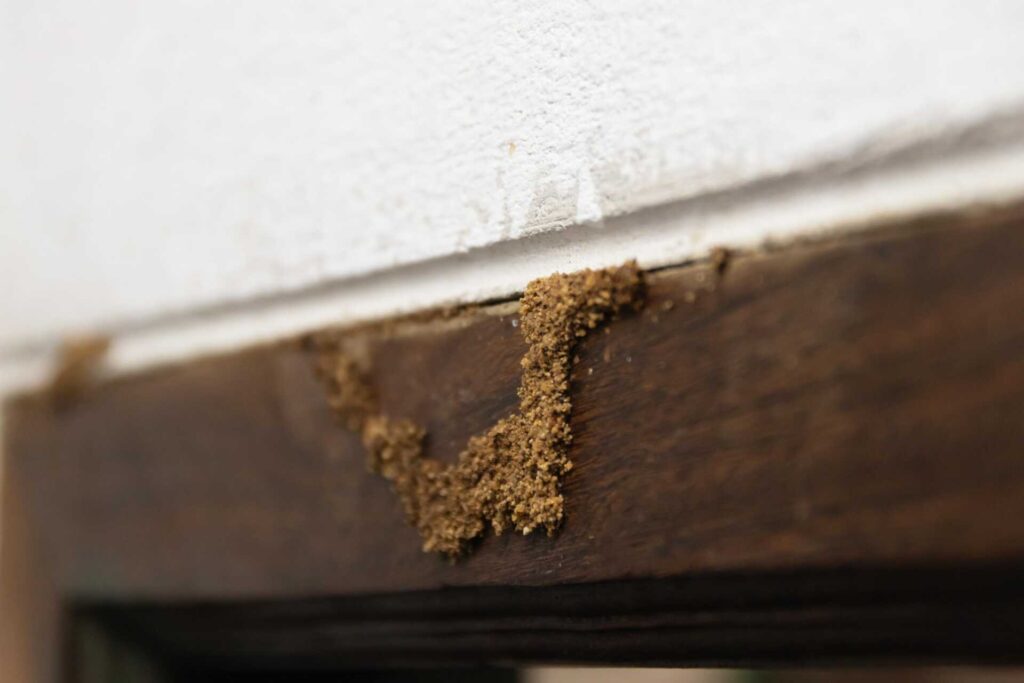
As you inspect your home, recognizing the signs of an infestation is essential for timely intervention. Pay attention to common infestation indicators that may signal pest behavior. Look for droppings, gnaw marks, and nests, which are clear signs of unwelcome guests.
| Infestation Indicator | Pest Behavior | Location to Check |
|---|---|---|
| Droppings | Feeding and nesting | Kitchen, pantry, corners |
| Gnaw marks | Seeking food | Walls, furniture |
| Nests | Breeding | Attics, basements |
| Visible pests | Foraging for resources | Near food sources, waste |
Preventative Measures for Pest Control
To effectively deter pests from invading your home, implementing preventative measures is essential.
Start with integrated pest management (IPM), a holistic approach that combines multiple strategies for effective control. Regularly inspect your property for cracks and openings; sealing these can greatly reduce entry points for pests.
Maintain cleanliness by promptly addressing spills and disposing of garbage, as food sources attract unwanted visitors.
Consider using chemical alternatives when necessary; many eco-friendly options exist that won’t harm your family or pets.
Additionally, landscape management can play a vital role—trim plants and remove standing water to eliminate breeding grounds.
Educating yourself about common pests in your area allows you to anticipate potential issues.
By adopting these preventative measures, you’ll foster a pest-free environment and cultivate a sense of security within your home.
Effective Use of Traps and Baits
While preventative measures can greatly reduce pest infestations, there are times when traps and baits become necessary tools in your pest control strategy. To maximize effectiveness, focus on trap placement and bait selection.
Start by identifying pest hotspots—areas with visible signs of activity. Position traps near these locations, ensuring they’re out of reach of pets and children.
For bait selection, choose products that are specifically designed for the pests you’re targeting. For example, use rodent bait for mice and cockroach gel for roaches.
Consider using multiple traps and varying bait types to increase your chances of success. Monitor the traps regularly, disposing of any captured pests and replenishing bait as needed.
This proactive approach helps control existing pest problems and fosters a sense of community as you share your strategies and successes with neighbors. Together, you can create a pest-free environment.
Natural Remedies for Indoor Pests
When you’re looking for effective ways to manage indoor pests, natural remedies offer a viable alternative to chemical solutions. These approaches harness the power of herbal solutions and essential oils to deter unwanted guests without harmful side effects.
Here are four strategies you can implement:
Peppermint Oil: Mix water with peppermint essential oil and spray it in areas prone to pests. The strong scent acts as a natural repellent.
Vinegar Solution: Combine equal parts vinegar and water to clean surfaces. The acidity disrupts the pheromone trails left by pests.
Diatomaceous Earth: Sprinkle this powder in corners and entry points. It’s effective against crawling insects by damaging their exoskeletons.
Herbal Sachets: Fill sachets with dried herbs like lavender or rosemary. Place them in drawers and closets to repel moths and other insects.
Professional Extermination Services
If you find that natural remedies aren’t effectively controlling your pest problem, professional extermination services can provide a targeted and thorough solution. These experts employ advanced pest control methods to identify and eliminate infestations quickly and efficiently. By choosing a licensed exterminator, you benefit from their specialized knowledge and access to commercial-grade products that aren’t available to the general public.
| Exterminator Benefits | Pest Control Methods | Expected Results |
|---|---|---|
| Expertise in various pests | Integrated Pest Management | Long-lasting results |
| Customized treatment plans | Chemical and non-chemical options | Reduced pest recurrence |
| Safety and compliance | Regular monitoring | Peace of mind |
Investing in professional extermination resolves your immediate issues and helps prevent future infestations. You’ll feel a sense of belonging in your pest-free environment, knowing that your home is safe and secure.
Maintaining a Pest-Free Environment
To maintain a pest-free environment, you need to implement regular cleaning practices that eliminate food and shelter for pests.
Sealing entry points in your home is essential to prevent their access.
Additionally, using natural repellents can provide an effective barrier against unwanted visitors.
Regular Cleaning Practices
Regular cleaning practices are essential for maintaining a pest-free environment in your home.
By adopting a structured approach, you can greatly reduce the risk of infestations.
Here are four key strategies to implement:
Deep Cleaning: Schedule regular deep cleaning sessions to eliminate hidden food particles and debris that attract pests.
Organizing Clutter: Keep your living spaces tidy by organizing clutter. Pests love to hide in disorganized areas.
Frequent Vacuuming: Vacuum floors and upholstery consistently to remove crumbs and potential pest eggs.
Washing Fabrics: Regularly wash bedding, curtains, and other fabrics to eliminate potential pest habitats.
Seal Entry Points
Sealing entry points is essential for maintaining a pest-free environment in your home. Start with a thorough entry point inspection to identify cracks, gaps, and holes where pests might enter. Common areas include windows, doors, and foundation cracks.
Once you’ve pinpointed these vulnerabilities, employ effective sealing techniques such as caulking or using weather stripping to close off access. Make certain that vents and utility lines are also sealed properly, as these can be overlooked.
Regularly check your seals and make necessary repairs to stay ahead of potential infestations. By proactively sealing entry points, you create a barrier that greatly reduces the likelihood of pests invading your space, helping you foster a safe and comfortable home for you and your loved ones.
Natural Repellents Usage
While many people turn to chemical solutions for pest control, natural repellents offer an effective and eco-friendly alternative.
By incorporating herbal oils and essential sprays into your pest management strategy, you can create a safer home environment.
Here are four effective natural repellents you can use:
- Peppermint Oil: A potent deterrent against spiders and ants.
- Citrus Essential Spray: Effective for repelling insects due to its strong scent.
- Lavender Oil: Smells great and keeps moths and fleas at bay.
- Eucalyptus Oil: Works well for repelling mosquitoes and other biting insects.
Using these natural solutions protects your home and aligns with a healthier lifestyle.
Embrace these strategies to maintain a pest-free sanctuary for you and your loved ones.
Seasonal Pest Control Strategies
As the seasons change, your approach to pest control should adapt accordingly to effectively manage different pest populations and their behaviors.
During spring, prepare for seasonal migrations as pests like ants and termites emerge from winter dormancy. Implement preventative measures such as sealing entry points and maintaining a clean environment to deter them.
As temperatures rise in summer, insect activity increases, necessitating regular inspections and treatments. Keep an eye out for mosquitoes and ticks, as their populations can explode in warm, humid conditions.
In fall, pests often seek shelter indoors. You’ll want to take proactive steps, such as removing food sources and sealing cracks.
Finally, winter brings colder temperatures, which can drive pests to hibernate or invade your home for warmth. Monitor for signs of rodents and take immediate action if you spot any.
Summary
Incorporating these pest control strategies can greatly enhance your home’s defenses against infestations. By staying vigilant and implementing an integrated pest management approach, you’ll protect your home and create a healthier living space for you and your family throughout the year.
Recent Posts
Eco-Friendly Termite Treatment Options for Homes
Did you know that traditional termite treatments can harm the environment just as much as
Top Eco-Friendly Mosquito Control Services Nearby
If you’re tired of battling mosquitoes but want to keep your outdoor space safe and
Find Local Eco-Friendly Mosquito Control Solutions
Imagine a world where your backyard isn’t a battleground against pesky mosquitoes. Finding local eco-friendly