
Contents
If you’re a pet owner, you know how concerning tick bites can be for your furry friends. Knowing the right techniques for safe tick removal is crucial for their health and comfort. With the right tools and approach, you can effectively manage this situation. However, many pet owners still feel uncertain about the best practices. Let’s explore the essential steps you need to take to ensure a safe and effective tick removal process.
Key Takeaways
- Use fine-tipped tweezers or specialized tick removal devices to grasp the tick close to the skin for effective removal.
- Pull the tick upward with steady, even pressure; avoid twisting or jerking to prevent mouthparts from breaking off in the skin.
- Wear gloves during the process to protect yourself from potential pathogens carried by the tick.
- Clean the bite area and your hands with antiseptic after removing the tick to reduce infection risk.
- Dispose of the tick properly by sealing it in alcohol or wrapping it in tape before discarding it.
Understanding the Risks of Tick Bites in Pets
When you’re out enjoying nature with your pet, it’s vital to be aware of the risks posed by tick bites. These tiny creatures can carry tick-borne diseases, which threaten your furry friend’s health.
Lyme disease, ehrlichiosis, and anaplasmosis are just a few examples that can lead to serious health complications if left untreated. As a loving pet owner, you want to protect your companion from these risks.
Regularly checking your pet for ticks after outdoor adventures is imperative, as early detection can prevent disease transmission. Additionally, consult your veterinarian about preventive measures, such as tick collars or medications.
Being informed and proactive safeguards your pet’s health and ensures you can continue enjoying those cherished moments together in nature.
Essential Tools for Tick Removal
After understanding the risks that tick bites pose to your pet, it’s important to be equipped with the right tools for tick removal.
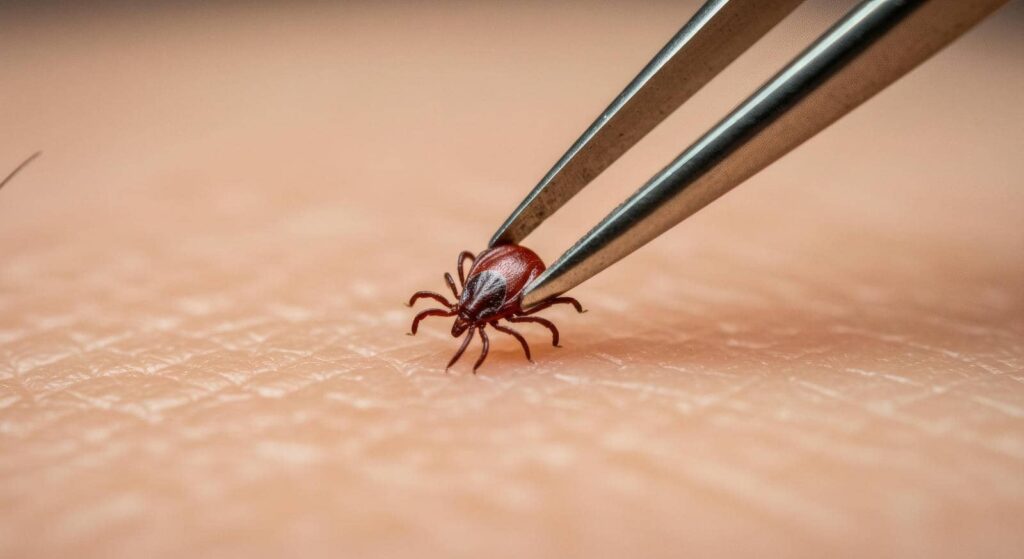
Essential tick tools include fine-tipped tweezers or specialized tick removal devices designed to grasp the tick without squeezing its body. These tools help ensure a safe extraction, minimizing the chance of leaving parts behind.
You should also have gloves on hand to protect yourself and prevent any potential tick-borne pathogens from spreading.
A tick removal kit is a great investment, as it often includes removal tools and antiseptic wipes and a container for the tick, should you need to identify it later.
Being prepared shows your commitment to your pet’s well-being.
Step-by-Step Guide to Safe Tick Removal
To safely remove a tick from your pet, you’ll first need to gather the necessary supplies, including tweezers and antiseptic.
Once you have everything ready, using the proper technique is vital to ensure you remove the tick completely and minimize your pet’s discomfort.
Let’s explore these steps in detail to make the process as smooth as possible for both you and your furry friend.
Gather Necessary Supplies
Before you start the tick removal process, it’s essential to gather the right supplies to ensure a safe and effective removal.
Having the tick removal essentials on hand will make the process smoother and less stressful for both you and your pet.
Here’s a list of items you’ll need:
- Tick removal tool (like tweezers or a tick removal hook)
- Disposable gloves to protect your hands
- Rubbing alcohol for disinfecting
- Small container or bag for safely storing the tick
Proper Tick Removal Technique
Removing a tick from your pet requires careful attention to ensure it’s done safely and effectively. Start by calming your pet, ensuring they’re comfortable.
Use fine-tipped tweezers to grasp the tick as close to your pet’s skin as possible, avoiding contact with its body. This helps prevent leaving any mouthparts behind, which can cause infection. Pull upward with steady, even pressure—don’t twist or jerk, as this may break the tick.
Once removed, clean the bite area and your hands with antiseptic. Dispose of the tick safely; consider saving it for identification.
Proper Disposal of Ticks After Removal
Once you’ve removed a tick from your pet, it’s essential to dispose of it properly to prevent any potential health risks.
Using appropriate tick disposal methods protects your pet and the environment. Here are some environmentally safe options you can consider:
- Place the tick in a sealed container with rubbing alcohol to kill it.
- Wrap the tick in tape and throw it away in the trash.
- Flush the tick down the toilet if you’re comfortable with that method.
- Consider taking the tick to your vet for testing if you’re concerned about diseases.
Aftercare for Pets Post-Tick Removal
After you’ve successfully removed the tick from your pet, it’s essential to monitor their health and comfort during the recovery process.
Engage in post removal monitoring by checking the bite site daily for any signs of infection, such as redness, swelling, or discharge. Your pet might also exhibit unusual behavior, like excessive scratching or lethargy, which could indicate discomfort or complications.
Keep an eye on their appetite and energy levels too, as changes might suggest underlying issues. If you notice any concerning symptoms or if your pet seems off, don’t hesitate to consult your veterinarian.
Ensuring their well-being after tick removal fosters a sense of security and helps strengthen the bond you share.
Preventive Measures to Keep Ticks at Bay
To keep ticks at bay, regular grooming and effective tick treatments are essential.
By incorporating these practices into your routine, you can markedly reduce the risk of ticks bothering your pet.
Staying proactive protects their health and enhances their overall well-being.
Regular Grooming Practices
While enjoying outdoor adventures with your pet, it’s essential to incorporate regular grooming practices into your routine to help keep ticks at bay.
By staying vigilant with grooming frequency and using the right grooming tools, you can make a significant difference in your pet’s health.
- Choose a fine-toothed comb or tick removal tool for thorough checks.
- Brush your pet’s coat regularly to remove any ticks and debris.
- Inspect your pet’s skin, especially in hidden areas like under the legs and around the ears.
- Bathe your pet with tick-repellent shampoos as recommended by your veterinarian.
These practices create a bond between you and your pet while ensuring a tick-free experience outdoors.
Regular grooming keeps ticks away and promotes a healthy, happy pet.
Effective Tick Treatments
Effective tick treatments are essential for keeping your pet safe from these harmful parasites. To ensure your furry friend stays tick-free, consider combining traditional veterinary treatments with natural remedies.
Essential oils like lavender and cedarwood can act as natural repellents, while diatomaceous earth can deter ticks in your yard. Regularly checking your pet after outdoor adventures is a key component of tick prevention. You can make tick checks a bonding experience, reinforcing your pet’s comfort and trust.
Additionally, maintaining a clean living environment and mowing your lawn regularly can greatly reduce tick habitats. By incorporating these effective strategies, you’ll create a safe haven for your pet and enhance your shared outdoor experiences. Together, you can enjoy the great outdoors without the worry of ticks.
When to Seek Professional Help for Tick Issues
Recognizing when to seek professional help for tick issues is essential for your pet’s health. If you notice any of the following signs, it’s time to consult your veterinarian:
- Persistent redness or swelling around the tick site
- Fever or lethargy that lasts more than a day
- Loss of appetite or sudden weight loss
- Unusual behaviors, such as excessive scratching or biting
These signs may indicate an infection or other complications that require veterinary consultation.
Don’t hesitate to reach out for help; your pet relies on you for their well-being. Early intervention can prevent more serious health issues down the line, ensuring your furry friend stays happy and healthy.
Frequently Asked Questions
Can Ticks Transmit Diseases to Humans From Pets?
Yes, ticks can transmit diseases to humans through pets. When your pet is infected, they may carry ticks that bite you, leading to potential tick transmission of various pet diseases. Regular checks and prevention are essential for safety.
How Often Should I Check My Pet for Ticks?
Imagine a vigilant knight protecting their domain; you should check your pet for ticks at least once a week during peak seasons. Implementing tick prevention strategies enhances their safety against seasonal tick activity and ensures a happy life.
Are Certain Breeds More Susceptible to Ticks?
Yes, some breeds have specific vulnerabilities to ticks due to their coat type and habitat. Implementing effective tick prevention strategies tailored to your pet’s breed can help protect them from tick-related health issues.
What Symptoms Indicate My Pet Has a Tick-Borne Illness?
When you notice your pet’s energy waning, appetite fading, or unusual behaviors, it’s time for symptom recognition. These signs might indicate a tick-borne illness, so prioritize illness prevention by seeking veterinary care promptly.
Can I Use Human Tick Removal Methods on Pets?
You shouldn’t use human methods on pets for tick removal. They’re not designed for animal safety and can cause harm. Always opt for pet-specific techniques to ensure your furry friend stays safe and healthy.
Wrap-Up
Knowing how to safely remove ticks from your pets is essential for their health and well-being. By following the steps outlined, you can ensure a smooth process that minimizes discomfort. Remember, an ounce of prevention is worth a pound of cure—regularly check your pets and use preventive measures to keep ticks at bay. If you ever feel uncertain or the situation seems too tricky, don’t hesitate to seek professional help. Your pet’s safety is paramount.
Recent Posts
Eco-Friendly Termite Treatment Options for Homes
Did you know that traditional termite treatments can harm the environment just as much as
Top Eco-Friendly Mosquito Control Services Nearby
If you’re tired of battling mosquitoes but want to keep your outdoor space safe and
Find Local Eco-Friendly Mosquito Control Solutions
Imagine a world where your backyard isn’t a battleground against pesky mosquitoes. Finding local eco-friendly