
Contents
Many people don’t realize that earwigs can thrive in damp environments, making moisture control vital for managing their presence. By understanding their habits and implementing natural deterrents, you can create a less inviting space for these pests. Strategies may involve essential oils, homemade traps, and regular garden maintenance. Discovering the most effective methods can lead to a significant reduction in earwig activity around your home.
Key Takeaways
- Reduce moisture around your property by fixing leaks and ensuring proper drainage to create an unwelcoming environment for earwigs.
- Utilize essential oils like peppermint or tea tree mixed with water to spray areas where earwigs are active for natural repellent effects.
- Apply diatomaceous earth to affected areas, as it dehydrates and effectively kills earwigs while being safe for humans and pets.
- Create homemade traps using damp cardboard or jar traps with oil to easily capture and dispose of earwigs.
- Maintain a tidy garden by regularly clearing debris, trimming plants, and monitoring damp areas to eliminate earwig hiding spots.
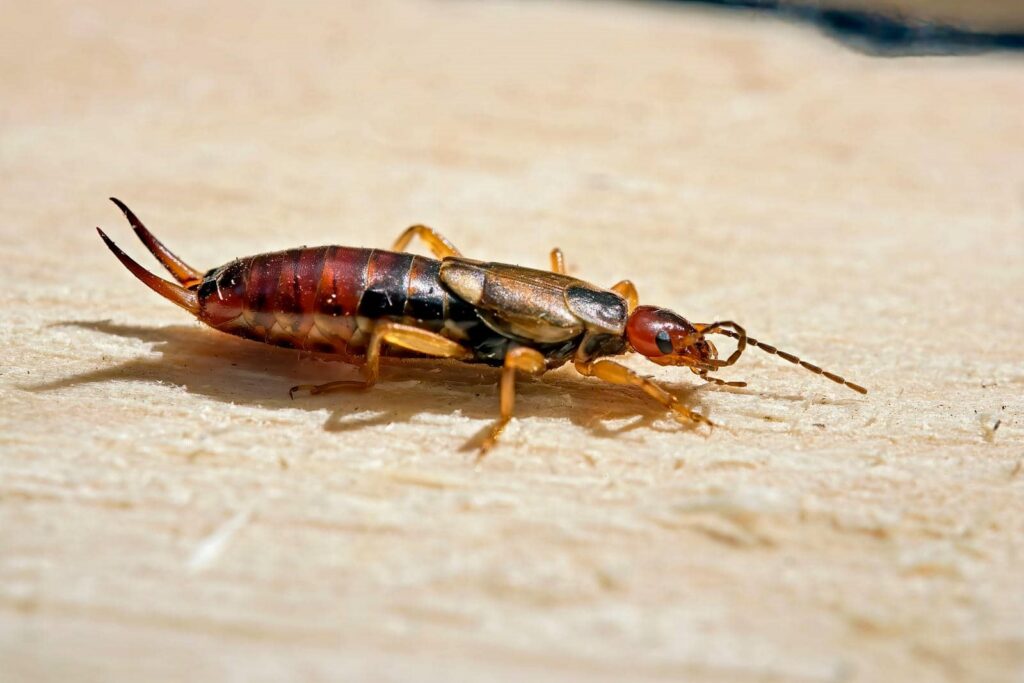
Understanding Earwigs and Their Habits
Although you mightn’t encounter earwigs often, understanding their habits can help you manage their presence effectively.
Earwig behavior is primarily nocturnal; they’re most active at night, seeking moisture and shelter. During the day, they hide in damp, dark spots like under rocks or in mulch. Their habitat preferences lean toward areas with high humidity and decaying organic matter, which provides both food and protection. Knowing this can guide you in identifying potential nesting sites around your home.
Earwigs are generally harmless, but their presence can be unsettling. They feed on decaying plant material and can occasionally damage young plants.
Creating a Less Inviting Environment
To effectively manage earwig populations, creating a less inviting environment around your home is key. Start by reducing moisture levels in and around your property, as earwigs thrive in damp conditions. Regularly check for leaks in plumbing, and ensure that gutters direct water away from your foundation.
Next, focus on removing debris that can serve as hiding spots. Clear away leaves, wood piles, and other organic materials from your yard. This eliminates potential shelters and discourages earwigs from making their way inside.
Additionally, maintain your garden by keeping plants trimmed and avoiding overcrowding, which can retain moisture and attract pests.
Utilizing Essential Oils
Essential oils can be a powerful tool in your fight against earwigs, thanks to their natural repellent properties.
By combining specific essential oils, you can create effective blends that deter these pests.
Understanding the best application methods will ensure you maximize their effectiveness in your environment.
Effective Essential Oil Blends
When you’re looking for natural solutions to combat earwigs, effective essential oil blends can make a significant difference. Certain essential oils, like peppermint, tea tree, and lavender, possess natural pest control properties that deter these unwanted insects.
Combining a few drops of these oils with water creates a potent spray that can protect your home. You’ll find that the strong scents disrupt earwigs’ sensory receptors, making your living space less inviting.
Additionally, citrus oils, such as lemon or orange, can enhance these blends, further increasing their efficacy. By incorporating these essential oils into your pest control strategy, you find a natural solution and invite a pleasant aroma into your environment, fostering a sense of well-being.
Application Methods Explained
Understanding how to effectively apply the essential oil blends you’ve created is key to maximizing their pest-repelling benefits against earwigs.
To combat earwig behavior, consider these application methods for your natural repellents:
Direct Application: Spray the oil blend directly on areas where earwigs are spotted.
Soil Treatment: Mix oils with water and apply around garden beds to deter earwigs from entering.
Barrier Spray: Create a perimeter spray around entry points like doors and windows.
Employing Diatomaceous Earth
Diatomaceous earth (DE) serves as an effective, natural remedy for eliminating earwigs from your home and garden. This fine powder, made from fossilized algae, boasts numerous diatomaceous earth benefits, including its ability to dehydrate and kill soft-bodied insects like earwigs.
When applying diatomaceous earth, focus on areas where you’ve noticed earwig activity, such as damp corners or garden beds. Sprinkle a thin layer of DE in these locations, ensuring it remains dry for maximum effectiveness. Keep in mind that moisture can reduce its efficiency, so reapply after rain or watering.
Not only does DE help control earwig populations, but it’s also safe for pets and humans, making it an appealing choice for households seeking eco-friendly solutions. By incorporating this method into your pest control routine, you’ll foster a healthier environment while effectively managing unwanted earwig guests.
Making Homemade Traps
To effectively manage earwig populations, you can create simple traps using common materials.
Selecting the right bait and strategically placing your traps in areas where earwigs are active ensures maximum effectiveness.
Understanding these elements will help you design traps that provide natural and efficient pest control.
Simple Trap Designs
Creating effective homemade traps for earwigs can be both simple and rewarding.
You can utilize common trap materials and straightforward trap designs to catch these pests effectively. Here are a few ideas to get you started:
Jar traps: Fill a jar with a bit of oil or soapy water, leaving some space at the top. Earwigs will crawl in but won’t escape.
Paper funnel traps: Roll paper into a funnel shape and place it in a container with bait. Earwigs will enter but struggle to leave.
Moist cardboard: Lay damp cardboard on the ground. Check it regularly, as earwigs will gather underneath it, making for easy disposal.
Effective Bait Options
Choosing the right bait can greatly enhance the effectiveness of your homemade traps for earwigs. Consider using bait types that appeal to their natural behaviors, such as damp newspaper, overripe fruit, or vegetable scraps. These options attract earwigs while also providing a comfortable environment for them to gather.
When you set up your traps, think about bait placement carefully. Position the bait inside the trap, ensuring it’s easily accessible for the earwigs.
You might also want to place traps in dark, moist areas where earwigs tend to hide, such as near plant bases or under mulch. By strategically selecting bait types and optimizing bait placement, you’ll increase your chances of effectively capturing these pests and keeping your home earwig-free.
Placement Tips Essential
Effective placement of homemade traps is essential for maximizing your success in capturing earwigs.
To enhance your earwig placement strategy, consider these outdoor strategies:
Position traps near damp areas: Earwigs thrive in moisture, so placing traps in shaded, moist spots is key.
Set traps during peak activity times: Late evening and early morning are when earwigs are most active, increasing your chances of capture.
Regularly check and relocate traps: Monitor your traps frequently and adjust their locations based on earwig activity.
Attracting Natural Predators
While you may be keen to eliminate earwigs from your garden, attracting their natural predators can be a more sustainable approach. By fostering a balanced environment, you enhance natural ecosystems and invite beneficial insects that prey on earwigs.
Start by planting diverse flowers and herbs, which beautify your space and attract insects like ladybugs and lacewings.
Providing habitats, such as small piles of rocks or logs, can encourage these predators to settle in your garden.
Avoid using chemical pesticides, as they can harm both beneficial insects and the delicate balance of your garden’s ecosystem. Instead, consider introducing nematodes or predatory mites, which specifically target earwigs without disrupting other wildlife.
Using Soap and Water Solutions
Encouraging natural predators is just one part of managing earwig populations; sometimes, direct action is necessary. A simple and effective method is using soap and water solutions. This approach targets earwigs directly, helping you regain control over your space.
To create your solution, consider the following:
Soap Concentration: Use a mixture of 1-2 tablespoons of liquid soap per quart of water for ideal effectiveness.
Water Temperature: Verify the water is warm, as it helps dissolve the soap and enhances its effectiveness.
Application: Spray the solution directly onto earwigs and their hiding spots, like damp areas or under debris.
This method eliminates earwigs and keeps your environment chemical-free, aligning with natural pest control practices.
Implementing Citrus-Based Repellents
If you’re looking for a natural way to deter earwigs, implementing citrus-based repellents can be highly effective. Citrus peels, especially from lemons and oranges, contain compounds that are unpleasant for these pests. You can easily create a deterrent by placing fresh citrus peels around your garden or in areas where you’ve spotted earwigs.
Additionally, lemon sprays are another powerful option. Simply combine lemon juice with water in a spray bottle and apply it to areas where earwigs gather. The strong scent of lemon is known to repel them, making it an excellent, eco-friendly solution.
This approach helps you manage earwigs and adds a revitalizing aroma to your environment. By using citrus-based repellents, you’re embracing a natural method that fits well with a holistic lifestyle, fostering a sense of community among those who prioritize eco-conscious living.
Keeping Gardens and Lawns Well-Maintained
Maintaining a well-kept garden and lawn is crucial for aesthetic appeal and for preventing pest infestations, including earwigs. By implementing effective lawn fertilization techniques and garden irrigation methods, you can create an environment that discourages these pests.
Use organic fertilizers to enhance soil health and plant vigor.
Opt for drip irrigation to ensure water reaches the roots without creating overly moist conditions.
Regularly trim plants and remove debris to minimize hiding spots for earwigs.
A healthy garden thrives on balance. When you focus on proper lawn care and irrigation, you nurture your plants and reduce the likelihood of earwig invasions.
Monitoring and Regular Maintenance
To effectively manage earwig populations, you need to conduct regular yard inspections.
Look for signs of infestation and remove any debris that could provide hiding spots for these pests.
Proper debris management enhances your garden’s appearance and minimizes potential earwig habitats.
Regular Yard Inspections
While you may not think about it often, conducting regular yard inspections is essential for keeping earwigs at bay.
These inspections play a critical role in effective yard maintenance and pest monitoring. By routinely checking your outdoor space, you can identify potential problem areas before they become infestations.
- Look for damp areas where earwigs might thrive.
- Examine mulch and organic debris that could serve as hiding spots.
- Check for cracks or gaps in structures that may provide entry points.
Proper Debris Management
Effective debris management is essential for preventing earwig infestations in your yard. You should regularly monitor and maintain various debris types, like fallen leaves, grass clippings, and wood piles, as these can create ideal hiding spots for earwigs.
Make sure you’re aware of decomposition processes, as decomposing organic matter attracts beneficial insects and pests. Clear away any excess debris and keep your garden tidy to discourage earwig habitation.
Consider composting in a designated area away from your home to minimize risks. By practicing proper debris management, you foster a healthier environment that promotes beneficial wildlife while keeping earwigs at bay.
This enhances your yard and strengthens your community’s commitment to natural pest control.
Wrap-Up
By employing these natural methods, you can effectively reclaim your outdoor space from earwigs, much like a gardener nurturing a blossoming flower. Creating an unwelcoming environment, utilizing essential oils, and maintaining your garden deter these pests and promote a healthier ecosystem. With regular monitoring and maintenance, you’ll keep earwigs at bay, allowing your plants to thrive in peace. Embrace these strategies, and watch your garden flourish without the unwelcome company of earwigs.
Recent Posts
Do Mice Go Away on Their Own? The Honest Answer
You may not realize that mice often stay put even when a home feels busy
Mouse Droppings vs Rat Droppings: Identify Your Intruder
You may not know that droppings can tell you more than just whether rodents are
What Attracts Mice to a Clean House? 7 Surprising Culprits
Some homes report some mouse activity each year, and even a spotless house can still