
Contents
Managing eight-legged intruders requires a strategic approach that combines prevention, natural deterrents, and sometimes chemical solutions. Understanding the best methods to control spiders can save you from unexpected encounters. Let’s explore the most effective strategies for keeping your home spider-free.
Key Takeaways
- Seal cracks and gaps in windows and doors to prevent spider entry.
- Regularly clean and declutter to eliminate potential spider hiding spots.
- Use natural repellents like essential oils, garlic spray, or vinegar solutions.
- Consider chemical solutions designed for spider control, following label instructions carefully.
- Hire professional pest control services for tailored assessments and effective treatments.
Understanding Common Spider Species in Homes
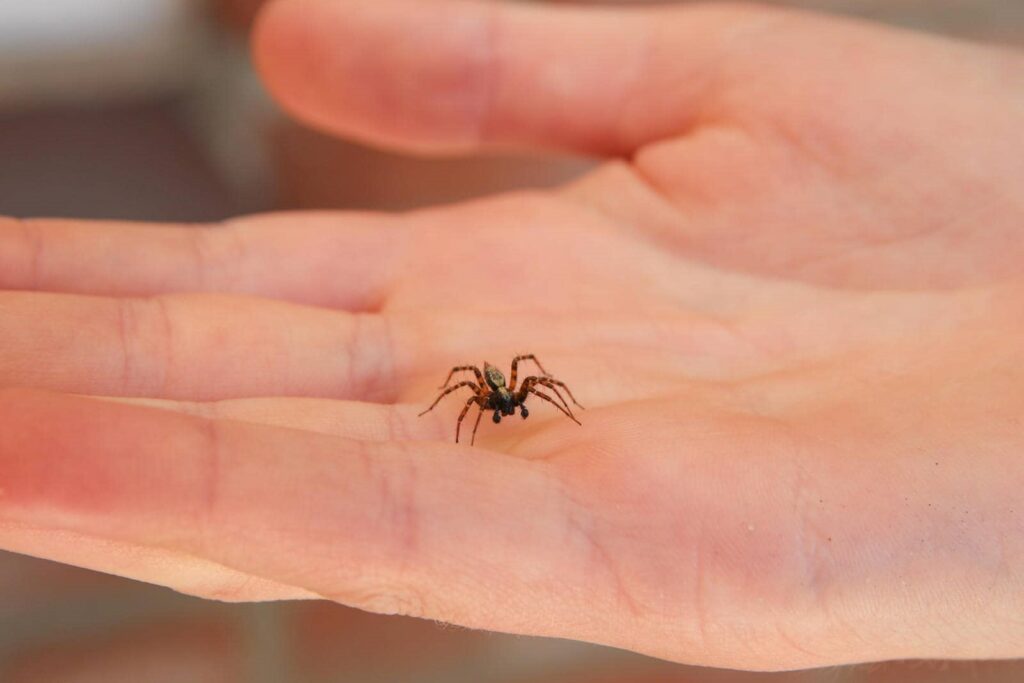
When you encounter spiders in your home, it’s helpful to know which species you’re dealing with, as this can influence how you manage them. Common household spiders include the house spider, wolf spider, and cellar spider. Familiarizing yourself with their characteristics can make spider identification easier.
For instance, house spiders have a distinctive brown color and are often found in corners, while wolf spiders are larger and more agile, usually spotted scurrying across floors.
Cellar spiders, with their long legs and small bodies, often dwell in dark, damp areas.
To effectively identify these species, observe their size, color, and web structure. Use online resources or field guides for clearer visuals.
Preventative Measures to Keep Spiders Away
To keep spiders at bay, it’s essential to implement several preventative measures throughout your home. Start by sealing any cracks and gaps in windows, doors, and walls to eliminate potential spider habitats.
Regularly clean and declutter your living spaces, as debris provides ideal hiding spots for these pests. Pay attention to seasonal behaviors; during warmer months, spiders might seek shelter indoors, so consider checking your home more frequently during this time.
Ensure that outdoor areas are well-maintained by trimming shrubs and grass, creating a less inviting environment for spiders. Use outdoor lighting wisely; bright lights attract insects, which in turn can attract spiders.
Finally, maintain proper ventilation and humidity levels indoors, as spiders thrive in damp conditions. By adopting these measures, you’ll create a less hospitable environment for spiders, fostering a more comfortable home for you and your family.
Natural Repellents for Spider Control
How can you harness the power of nature to keep spiders away? Using natural repellents can be an effective way to safeguard your home while keeping it eco-friendly. Here are three options you can easily implement:
Essential Oils: Spiders dislike strong scents. Mix a few drops of essential oils like peppermint, tea tree, or lavender with water in a spray bottle. Spray around windows, doors, and corners to deter them.
Garlic Spray: Garlic isn’t just for cooking! Blend a few cloves with water, strain it, and spray the mixture around your home. The smell can keep spiders at bay.
Vinegar Solution: Combine equal parts of vinegar and water in a spray bottle. The pungent aroma is a natural spider repellent.
These methods help you control spider populations and create a more welcoming atmosphere in your home.
Give them a try!
Chemical Solutions for Spider Infestations
While natural methods can be effective, sometimes you need a stronger approach to tackle severe spider infestations. Chemical applications can provide quick and efficient spider eradication when your home faces an overwhelming invasion.
Start by selecting a product specifically designed for spider control, ensuring it’s safe for indoor use if you’re treating inside your home.
Follow the instructions on the label carefully, as correct application is vital for effectiveness and safety. Focus on areas where spiders commonly hide, like corners, baseboards, and dark spaces.
It’s essential to keep pets and children away during treatment to minimize exposure. After application, maintain a clean environment to deter future infestations.
Utilizing Traps for Effective Spider Removal
Chemical solutions can provide immediate relief from spider infestations, but utilizing traps offers a practical and non-toxic method for ongoing spider management. Sticky traps, in particular, are an efficient way to monitor and reduce spider populations in your home.
Here’s how to make the most of them:
Placement: Position sticky traps in corners, behind furniture, and near entry points where spiders are likely to wander.
Bait Options: Enhance trap effectiveness by using bait options like a small piece of fruit or a dab of peanut butter to attract spiders.
Regular Checks: Routinely check your traps to monitor spider activity and replace them as needed to ensure continuous protection.
Professional Pest Control Services
When you find yourself overwhelmed by a spider infestation, seeking professional pest control services can offer a thorough solution. Trained experts understand the behaviors and habitats of spiders, allowing them to effectively target the problem at its source.
They’ll assess your home to determine the most effective pest control methods tailored to your specific situation.
By opting for professional services, you can ensure the removal of spiders and enhanced home safety. These specialists use safe and approved products, minimizing risks to your family and pets while effectively eliminating pests.
Additionally, they provide insights into preventive measures, helping you maintain a spider-free environment in the future.
Choosing professional pest control services can save you time and stress, letting you reclaim your space without the worry of recurring infestations. It’s a practical step towards ensuring your home remains a comfortable and safe haven.
Maintaining a Clean Home Environment
To effectively keep spiders at bay, maintaining a clean home environment is essential. A few simple habits can make a big difference in your spider control efforts.
Here are three key strategies to evaluate:
Establish Regular Cleaning Routines: Schedule consistent cleaning sessions to dust, vacuum, and wipe surfaces. This removes spider webs and eliminates potential food sources for spiders.
Focus on Clutter Reduction: Keep your living spaces tidy by minimizing clutter. Store items in bins or drawers to prevent spiders from finding cozy hiding spots.
Inspect and Maintain: Regularly check areas like basements, attics, and garages for signs of spider activity. This proactive approach can help you catch any infestations early.
Identifying and Sealing Entry Points
Identifying and sealing entry points is essential for preventing spiders from invading your home. Start with an entry point assessment, checking all windows, doors, and cracks in your foundation.
Pay special attention to gaps around pipes, vents, and electrical lines. You’ll want to ensure these areas are tight and secure.
Once you’ve identified potential entryways, use effective sealing techniques. Weather stripping can close gaps around doors and windows, while caulk is perfect for filling cracks in walls or foundations.
Don’t overlook the importance of screens on vents and windows to keep spiders out while allowing fresh air in.
Monitoring and Ongoing Prevention Strategies
While sealing entry points is essential, ongoing monitoring and prevention strategies ensure that your home remains spider-free over time.
Understanding spider behavior and environmental factors is key to effective control. Here are three practical steps you can take:
Regular Inspections: Frequently check your home for spider webs and signs of activity. Early detection helps in managing infestations before they escalate.
Maintain Cleanliness: Keep your living space clutter-free and vacuum regularly. Spiders thrive in hidden areas, so reducing hiding spots makes your home less inviting.
Adjust Outdoor Factors: Trim back vegetation near your home and use outdoor lighting wisely. Bright lights attract insects, which in turn lure spiders, so consider yellow bulbs for less attraction.
Review
In your quest to reclaim your home from the eight-legged intruders, remember that a proactive approach is your strongest ally. By weaving together preventative measures, natural repellents, and, when necessary, targeted chemical solutions, you can create a formidable barrier against spiders. Just as a spider spins its web with care, so too must you maintain a clean environment and seal entry points. With vigilance and the right strategies, you can keep your living spaces free from these unwelcome guests.
Recent Posts
Top Tips for Indian Meal Moth Control
Did you know that Indian meal moths can infest grains, and dried fruits, nuts, and
Effective Indian Meal Moth Treatment for Homeowners
If you’ve noticed small moths fluttering around your kitchen, it’s likely you’re dealing with Indian
Why Are Indian Meal Moths Infesting Your Home?
If you’ve noticed Indian meal moths in your home, it’s essential to understand why they’re