
Contents
Selecting the right termite control method is essential for safeguarding your property from these destructive pests. Each approach, whether chemical or non-chemical, carries its own advantages and drawbacks that can influence effectiveness and safety. Understanding your specific infestation and property conditions is key. So, what factors should you consider when choosing a treatment, and how do they impact your long-term pest management strategy?
Key Takeaways
- Selecting the right termite control method ensures effective elimination of infestations and minimizes property damage risks.
- Different termite species require specific treatment approaches for optimal results and prevention of future infestations.
- Chemical treatments provide lasting protection, while non-chemical options emphasize eco-friendliness and safety for households.
- Professional exterminators assess infestations accurately and tailor treatment plans to address unique property vulnerabilities.
- Choosing the appropriate method contributes to long-term cost savings and peace of mind for homeowners regarding pest management.
Understanding Termite Behavior
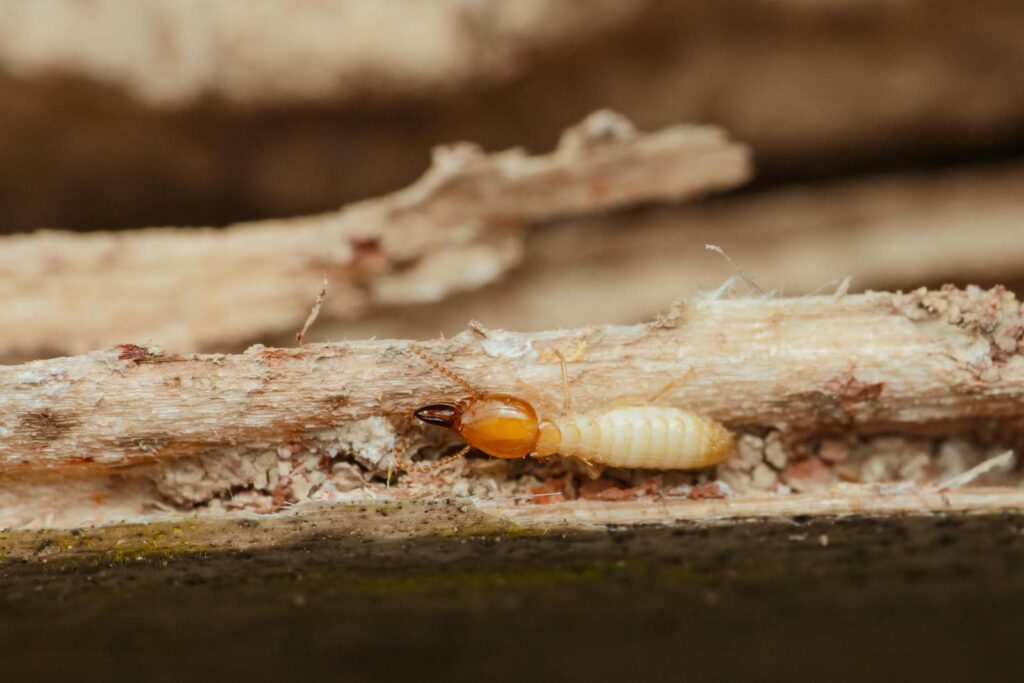
To effectively control termites, you first need to understand their behavior. Termites thrive in well-organized colony structures, which can number in the thousands. Each caste—workers, soldiers, and reproductives—plays a distinct role, ensuring the colony’s survival.
Their communication primarily occurs through pheromones, allowing them to coordinate activities like foraging and nest maintenance. By recognizing these social dynamics, you can identify potential entry points and hotspots for infestations.
Understanding their behaviors and interactions can also help you choose effective control methods. For instance, if you know how termites communicate, you can disrupt their signals, weakening their colony’s cohesion.
This knowledge empowers you and fosters a sense of belonging within a community that values proactive pest management.
Types of Termite Infestations
When it comes to termite infestations, you’ll typically encounter two main types: subterranean and drywood termites.
Subterranean termites live in the soil and can cause extensive damage as they invade structures from below.
In contrast, drywood termites infest the wood directly, often leading to hidden damage, as they don’t require contact with the soil.
Subterranean Termite Infestations
Subterranean termite infestations pose a significant threat to wooden structures, often going unnoticed until substantial damage occurs. Understanding their subterranean behavior is essential for effective control.
These termites typically build nests underground, which can lead to extensive damage if left untreated.
Key characteristics of subterranean termite infestations include:
Nest locations: They usually establish nests in soil, often near moisture sources.
Foraging patterns: They create mud tubes to travel between nests and food sources, displaying organized foraging behavior.
Colonial structure: Their colonies can consist of thousands of individuals, making them particularly destructive.
Drywood Termite Infestations
While subterranean termites thrive in soil and often go unnoticed until extensive damage occurs, drywood termites inhabit wood directly, making their detection and control different challenges.
You’ll recognize drywood termite characteristics by their small, brown bodies and the presence of frass—tiny wood pellets they leave behind. These pests can cause significant damage as they nest within wooden structures, often going undetected for years.
Effective drywood termite treatment includes localized insecticide applications, heat treatment, or fumigation, depending on the severity of the infestation. It’s vital to identify the signs early and consult with a pest control professional to ensure the right method is used.
Protecting your home means understanding these pests and taking proactive measures to eliminate them.
Importance of Early Detection
Early detection of termite infestations is essential for protecting your property.
By recognizing signs of infestation early, you can implement preventive measures that greatly reduce damage and associated costs.
Addressing termite issues promptly saves you money and helps maintain the integrity of your home.
Signs of Infestation
Detecting the signs of a termite infestation early can save you significant time and money in repairs.
Recognizing these infestation signs is essential for effective action. You should familiarize yourself with common indicators and utilize reliable detection methods.
Here are some signs to watch for:
Mud tubes: Small tunnels made of soil and wood that termites use for travel.
Damaged wood: Hollow-sounding timber or wood that crumbles easily indicates termite activity.
Swarmers: Winged termites emerging from wood or soil are a clear sign of an established colony.
Preventive Measures
Once you’ve identified the signs of a termite infestation, taking preventive measures becomes essential to protecting your property.
Implementing preventive techniques is vital in creating a barrier that discourages termites from invading your home. Regular inspections and monitoring are proactive approaches that help detect any potential threats early on.
Keep your property dry and well-ventilated, as moisture attracts termites. Seal cracks and crevices in your foundation and walls, ensuring that entry points are closed off.
Additionally, consider using treated wood or installing physical barriers during construction. By adopting these strategies, you foster a termite-resistant environment, greatly reducing the risk of infestation.
Cost Savings
Recognizing termite activity promptly can lead to significant cost savings for homeowners. Early detection mitigates extensive damage and supports effective budget planning.
By addressing issues before they escalate, you can ensure long-term savings. Consider the following benefits:
- Reduced Repair Costs: Early intervention minimizes the need for costly structural repairs.
- Lower Treatment Expenses: Timely treatments are often less expensive than extensive remediation efforts.
- Increased Property Value: A termite-free home maintains its market value, protecting your investment.
Incorporating regular inspections into your routine can safeguard your home.
This proactive approach fosters peace of mind and strengthens your financial health.
Chemical vs. Non-Chemical Treatments
When considering termite control, you’ll encounter two main categories of treatment: chemical and non-chemical methods.
Chemical treatments often boast high chemical efficacy, effectively eliminating termites through various formulations. They typically offer longer treatment longevity, providing a lasting barrier against infestations. However, concerns about environmental impact and potential health risks can make some homeowners hesitant.
On the other hand, non-chemical treatments, such as heat or moisture control, focus on creating unfavorable conditions for termites. While these methods may take longer to show results, many homeowners appreciate their eco-friendliness and safety.
Ultimately, your choice should align with your values and the specific needs of your property, ensuring you feel confident in your termite control approach.
Evaluating Soil Treatments
Soil treatments play a significant role in termite control, especially when evaluating the effectiveness of chemical and non-chemical methods.
To make informed decisions, you’ll need to assess various factors related to soil penetration techniques and treatment effectiveness comparison. Here are some key points to examine:
Chemical Barrier: Assess how well chemicals penetrate the soil and create a lasting barrier against termites.
Non-Chemical Options: Explore alternatives like beneficial nematodes and how they integrate with soil treatments.
Longevity and Monitoring: Look into how long each method remains effective and what monitoring strategies you’ll need.
Understanding these elements will help you choose the right soil treatment method, ensuring a thorough approach to termite control that fits your needs.
Baiting Systems Explained
Baiting systems offer an effective strategy for termite control by targeting the colony at its source. These systems utilize specialized bait stations strategically placed around your property.
With innovative baiting techniques, the stations attract termites to a slow-acting insecticide. Once ingested, the termites share it with their colony, leading to a significant reduction in population.
The bait station effectiveness hinges on regular monitoring and timely replacement of the bait. This proactive approach minimizes the risk of infestations and promotes long-term protection for your home.
The Role of Professional Exterminators
While DIY methods can provide temporary relief, the expertise of professional exterminators is essential for thorough termite control.
Trained exterminators understand the complexities of termite behavior and possess specialized skills honed through extensive exterminator training. They employ advanced pest control techniques that go beyond basic remedies, ensuring effective long-term solutions.
Consider these benefits of hiring a professional:
Comprehensive Inspections: They identify hidden infestations that you might overlook.
Tailored Solutions: Exterminators create a customized treatment plan based on your unique situation.
Ongoing Support: Professionals offer follow-up services to prevent future infestations.
Integrated Pest Management Strategies
Integrated Pest Management (IPM) strategies combine various techniques to effectively control termite populations while minimizing environmental impact.
You’ll want to incorporate biological controls, such as introducing natural predators that can help keep termite numbers in check.
Additionally, habitat modification is essential; by reducing moisture levels and sealing entry points, you create an environment less conducive to termite infestations.
Regularly evaluating your property for vulnerabilities and addressing them promptly can greatly enhance your defense against these pests.
By employing a combination of these methods, you tackle the immediate threat and foster a sustainable approach to pest control.
This way, you contribute to a healthier ecosystem while safeguarding your home.
Embrace IPM for a balanced solution.
Monitoring and Maintenance After Treatment
After implementing IPM strategies for termite control, monitoring and maintenance become essential to confirm long-term success.
You’ll need to conduct regular post-treatment inspections and ongoing monitoring to ensure that your home remains termite-free. This proactive approach protects your investment and fosters a sense of community among homeowners who prioritize pest management.
- Schedule periodic inspections with a professional pest control service.
- Keep an eye out for signs of termite activity, such as mud tubes or discarded wings.
- Maintain proper moisture levels around your home to deter infestations.
Cost Considerations for Termite Control
When considering termite control, it’s vital to understand the various cost factors involved in both prevention and treatment. Your budget planning should account for inspection fees, treatment options, and potential repairs.
Prevention methods, such as moisture control and barriers, can be more cost-effective long-term, while treatment options vary widely in price. Chemical treatments may require regular applications, while bait systems may have higher initial costs but lower long-term expenses.
It’s important to evaluate the potential risks of not addressing a termite problem, which can lead to significant damage and higher costs down the line. By weighing these cost factors carefully, you can make informed decisions that protect your investment while staying within your financial means.
Frequently Asked Questions
What Are the Signs of a Termite Infestation?
You’ll notice signs of a termite infestation through wood damage, such as frass or hollow-sounding wood. Accurate pest identification is essential; look for mud tubes or discarded wings around windows and doors as additional indicators.
How Long Does Termite Treatment Typically Last?
Termite treatment duration varies, but most methods last three to five years. Effective treatments notably reduce infestations, ensuring your home stays protected. Regular inspections help maintain treatment effectiveness, keeping you and your space safe from termites.
Can Termites Return After Treatment?
Yes, termites can return after treatment due to their persistent behavior. Treatment longevity varies, but regular inspections and preventive measures help minimize the risk of reinfestation, ensuring your home stays protected from these destructive pests.
Are DIY Termite Control Methods Effective?
DIY termite control methods can be effective for minor infestations, but their cost effectiveness varies. You might save money upfront, yet professional treatments often ensure thorough eradication and long-term protection against return infestations.
How Can I Prevent Future Termite Infestations?
To prevent future termite infestations, implement preventive measures like sealing cracks, reducing moisture, and ensuring proper drainage. Regular inspections help identify potential threats early, keeping your home safe and termite-free. Stay proactive for peace of mind.
Wrap-Up
Selecting the right termite control method is like choosing a sturdy umbrella for a rainy day; it protects your home from unwanted damage while ensuring peace of mind. By understanding termite behavior, recognizing infestations early, and weighing chemical against non-chemical treatments, you can make an informed choice. Collaborating with professionals and employing integrated pest management strategies will help you maintain a safe haven, safeguarding your property for the long haul without compromising your health or the environment.
Recent Posts
5 Best Ways to Remove Earwigs From Your Garden
To effectively remove earwigs in your garden, you need to employ strategic methods, utilize natural
Eliminate Earwigs From Your Garden Easily
If you’re dealing with earwigs in your garden, you’re not alone. These pests can wreak
Top Solutions for Indian Meal Moth Infestations
The pantry can be a battleground against the silent invader known as the Indian meal