
Contents
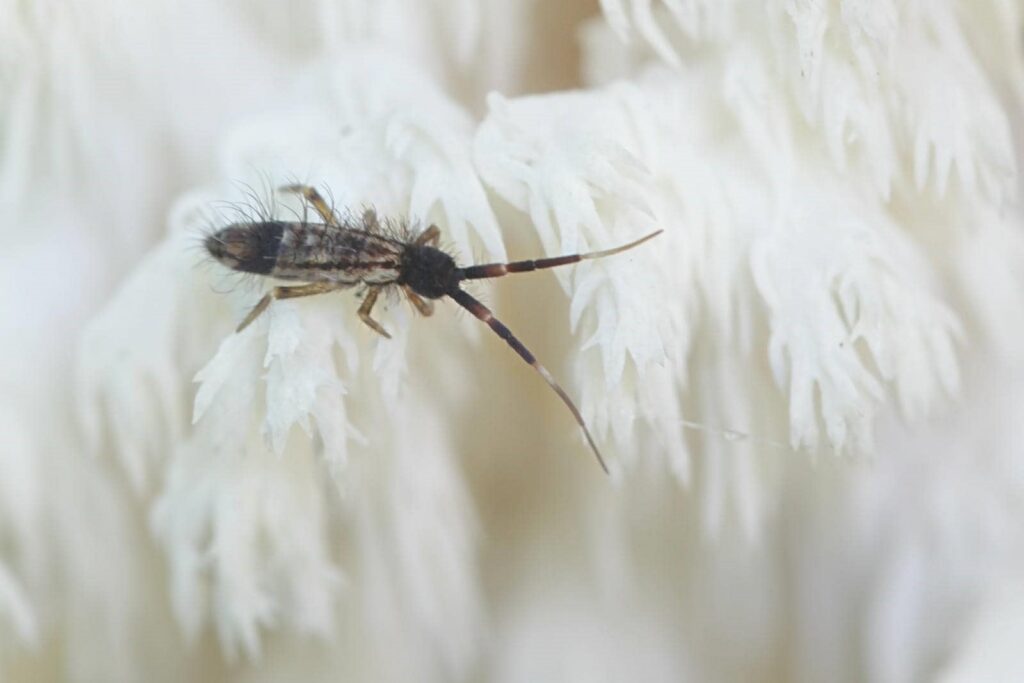
After a week of heavy rain, you may notice tiny springtails clustering on a bathroom floor like moisture is drawing them in by design. They don’t invade for food alone; they track humidity, fungal growth, and decaying organic matter. If your home has damp foundations, leaking pipes, or poor ventilation, you’ve built a stable microhabitat. The real question is where they’re entering, and that’s where the pattern starts to matter.
Key Takeaways
- Springtails invade homes mainly because they need constant moisture and avoid dry conditions.
- They are attracted to damp areas with fungi, decaying organic matter, and plant debris.
- Leaky pipes, wet basements, and overwatered houseplants often create ideal indoor habitats.
- They enter through cracks, vents, gaps, and around windows or foundations seeking humid microclimates.
- Heavy rain, heat, or outdoor disturbance can drive them indoors, where they are usually a moisture problem.
What Attracts Springtails Indoors
Springtails move indoors when your home offers the moisture and organic matter they need to survive. You’ll usually see them where indoor humidity stays elevated, because their cuticle loses water quickly in dry air.
In technical terms, springtail behavior tracks microhabitats with stable moisture, decaying plant debris, fungal growth, and damp dust films. You create these conditions near sinks, basements, crawl spaces, potted plants, and leaking fixtures.
They don’t seek you out; they respond to environmental cues that signal a suitable substrate and low desiccation risk. If you live with persistent condensation or wet material, you’re sharing space with a habitat they can exploit.
Understanding these attractants helps you identify the exact conditions that support them and restore a drier, less inviting indoor environment.
Why Springtails Come Inside
Although they don’t enter homes deliberately, springtails come inside when outdoor conditions force them to seek stable moisture and food sources. You’ll usually see this as a response to springtail behavior shaped by environmental factors, not random wandering. They move where humidity remains high, temperatures stay moderate, and surfaces support survival. If your indoor space offers these conditions, they may persist briefly.
- Rising heat can desiccate their habitat.
- Heavy rain can displace them from soil.
- Wind may carry them through openings.
- Light gradients can guide movement indoors.
You’re not alone in seeing them; many homes create microclimates that invite temporary use. Their presence signals a biological search strategy, so understanding it helps you feel informed and prepared.
Common Moisture Sources That Attract Springtails
You’ll often attract springtails when you maintain persistent moisture from leaky pipes, damp basements, or overwatered houseplants.
These sites raise local humidity and create the microbial growth that springtails use as a food source.
If you reduce standing water and correct infiltration, you’ll sharply lower habitat suitability for these arthropods.
Leaky Pipes
Leaky pipes create persistent moisture that springtails readily exploit, especially in hidden areas such as under sinks, behind walls, and around appliance connections.
You can reduce infestation risk with disciplined pipe maintenance and routine plumbing inspections. Look for:
- drip marks, corrosion, or mineral residue
- warped cabinetry or other water damage
- wet insulation and failed seals
- elevated home humidity near plumbing runs
Use leak detection tools to identify slow failures before they spread. Effective moisture control depends on quick repair, airtight joints, and dampness prevention at every connection.
You’ll also benefit from drainage solutions that move condensate away from fixtures and keep surfaces dry.
When you address plumbing faults early, you create a stable indoor environment where springtails can’t thrive, and you protect the people who share your home.
Damp Basements
Damp basements create ideal springtail habitat because porous concrete, poor drainage, and high humidity allow moisture to persist in crawl spaces, utility rooms, and wall junctions.
You may notice springtails clustering where condensation forms on cold surfaces or where seepage keeps materials wet after rain. In these damp environments, organic debris and microscopic fungi provide food, while sheltered gaps let populations expand unnoticed.
When basement humidity stays elevated, you’re creating stable conditions that support egg survival and juvenile development.
You can reduce risk by improving exterior grading, sealing foundation cracks, and using dehumidification to keep relative humidity low.
If you share your home with others, coordinate cleanup and inspections so everyone helps maintain a drier, less inviting basement.
Overwatered Houseplants
Overwatered houseplants can create localized moisture pockets that attract springtails, especially when potting mix stays saturated and saucers hold standing water.
You’ll see these overwatering effects most often in dense media, low-light rooms, and pots with poor drainage. Springtails feed on fungi and decaying roots, so your plant care habits directly shape their habitat.
- Let the top 2–5 cm of mix dry between waterings.
- Empty saucers promptly after irrigation.
- Improve drainage with aerated potting media.
- Inspect roots for rot and repot if needed.
Common Entry Points Around Your House
Even small openings can let springtails move from outdoor soil into your home, especially when moisture and organic debris accumulate near the structure.
You should inspect entry points such as gaps around foundation cracks, utility penetrations, crawlspace vents, door sweeps, window frames, and poorly sealed siding. These routes create direct pathways when humidity stays high and exterior debris stays against the wall.
Your home maintenance routine should include sealing joints with caulk, replacing worn weatherstripping, and correcting drainage so water doesn’t pool beside the foundation.
You can also trim vegetation and remove leaf litter to reduce contact between soil and building materials.
When you control these entry points, you lower springtail pressure and keep your living space more stable, dry, and comfortable.
Common Indoor Hiding Spots for Springtails
You’ll most often find springtails under sinks, in bathroom drains, and in damp basements where moisture persists.
These sites provide high humidity, organic debris, and limited disturbance, which support their survival and aggregation.
If you inspect these areas, you can identify localized infestations and target the underlying moisture source.
Under Sinks
Under sinks, springtails often concentrate where persistent moisture, organic debris, and minor plumbing leaks create a suitable microhabitat.
You’ll notice these under sink habitats because they buffer temperature and retain humidity, which matches springtail behavior and supports feeding on fungi and decaying particles.
When you inspect the cabinet, you’re identifying a shared indoor refuge that signals localized water accumulation, not a structural failure of your home community.
- Damp pipe joints
- Condensation on supply lines
- Wet cabinet floors
- Accumulated food crumbs
If you belong to a household with repeated sightings, dry the area, remove debris, and improve ventilation.
Bathroom Drains
Bathroom drains often support springtails when biofilm, soap residue, hair, and standing water create a persistently moist feeding site.
You may notice these arthropods clustering near the rim or inside the trap because they exploit microbial growth and protected humidity. Their presence usually indicates incomplete bathroom maintenance rather than a structural defect.
To reduce activity, you should schedule regular drain cleaning, remove debris, and flush the drain with hot water to disrupt organic buildup.
Keep surfaces dry after use, and inspect slow-draining fixtures promptly.
When you manage moisture and residues consistently, you lower habitat suitability and help your home stay part of a clean, well-maintained space where pests have fewer opportunities to establish.
Damp Basements
Damp basements often provide ideal shelter for springtails because high humidity, condensation, and porous materials create stable microhabitats with abundant fungal growth.
You’ll notice them where basement humidity stays elevated and damp conditions persist after leaks, poor ventilation, or groundwater seepage. These arthropods feed on microbes, so they cluster near decaying wood, insulation, and concrete joints.
To reduce their refuge, you can:
- run a dehumidifier
- seal wall cracks
- improve drainage
- remove moldy debris
When you manage moisture, you lower food availability and disrupt reproduction. If you share this space with them, you’re seeing a common ecological response, not a sign of unsanitary habits.
Consistent drying helps your basement become less hospitable.
Signs of a Springtail Infestation
How do you know springtails have moved in? You’ll usually spot tiny, soft-bodied arthropods, 1-2 mm long, clustering on moist window frames, basement walls, or bathroom tile. They may jump when disturbed, a key sign of springtail behavior.
You can also notice scattered specks on damp surfaces after watering plants or cleaning. Because they feed on fungi and decaying organic matter, their presence often indicates persistent moisture, not structural damage.
If you see them indoors in repeated numbers, your space likely supports a local population. For infestation prevention, monitor humidity, inspect condensate lines, and remove wet debris.
When counts stay low, you’re not facing a major invasion; when they recur, you’re sharing your home with a moisture-dependent colony.
How Springtails Spread Indoors
Springtails enter indoors where moisture persists, using cracks, gaps, and other entry points that connect exterior habitats to interior microclimates.
You may also introduce them on infested potted plants, potting soil, or organic debris carried inside.
Their spread usually tracks humidity gradients, so you’ll see more activity in areas that retain water and support microbial growth.
Moisture And Entry Points
When excess moisture persists indoors, springtails can exploit the resulting humid microclimates and move through tiny structural openings, especially around foundation cracks, slab joints, gaps near plumbing penetrations, window frames, and poorly sealed doors.
You can reduce invasion by pairing home maintenance with humidity control and sealing every pathway they use.
- Repair leaks promptly
- Dehumidify damp rooms
- Caulk and weatherstrip openings
- Inspect basements and crawlspaces
These measures lower surface moisture, disrupt dispersal, and make your home less permissive for springtail survival.
You’re not just excluding pests; you’re stabilizing indoor microhabitats that support them.
When relative humidity stays elevated, springtails remain active near thresholds and can reenter whenever conditions favor movement.
Hitchhiking On Plants
Ornamental plants, nursery stock, and harvested cuttings can introduce springtails into a home when infested soil, root balls, or leaf litter travel indoors. You may not notice the colony, because springtails often remain in damp media and move with potted roots during transport.
Once indoors, they exploit high soil moisture, especially after overwatering or poor drainage, and they disperse into nearby trays, saucers, and floor cracks.
Careful plant care reduces this pathway: inspect new specimens, quarantine arrivals, remove decaying debris, and let the upper substrate dry between waterings.
If you keep humidity and moisture stable, you lower reproductive success and limit spread.
How to Get Rid of Springtails Fast
To eliminate springtails quickly, you need to cut off the moisture and remove their food sources at the same time. You can feel confident acting on the same biological weak points they depend on.
Dry leaks, dehumidify damp rooms, and scrub organic residue from drains, mulch, and pot saucers.
- Vacuum clusters from sills and baseboards.
- Improve airflow with fans and venting.
- Use natural predators outdoors to suppress source populations.
- Apply chemical treatments only to labeled indoor target sites.
Inspect potted plants, soil, and entry gaps daily, because springtails rebound fast when humidity stays high.
You’re not alone in this; consistent sanitation and moisture control usually collapse infestations within days.
Keep conditions below their survival threshold, and they’ll lose the habitat they need to persist.
When to Call a Springtail Control Pro
Call a springtail control pro if you keep seeing activity after you’ve corrected moisture sources, sanitation gaps, and entry points, because persistent populations usually indicate an unresolved water or structural problem.
You’re likely dealing with hidden breeding sites that support the springtail lifecycle, so a trained technician can inspect crawlspaces, wall voids, drains, and slab edges with greater resolution than routine checks.
You’ll get targeted identification, species-level assessment, and treatment choices matched to your building conditions. This matters when you want to fit in with a community that values healthy indoor spaces and solid infestation prevention.
If counts stay high in multiple rooms, or you notice seasonal surges linked to humidity, professional intervention can reduce uncertainty and help you restore control without guesswork.
How to Stop Springtails Coming Back
To keep springtails from coming back, you need to remove the conditions that let them survive: suppress indoor moisture, eliminate organic debris, and seal repeat entry points.
Your preventive measures should target the microclimate they prefer, with environmental adjustments that restore dry, stable surfaces and proper ventilation in bathrooms, crawlspaces, and kitchens.
Maintain moisture control with dehumidifiers and leak repair.
Schedule regular inspections for drains, windows, and foundations.
Use landscaping tips that keep mulch away from walls.
Apply soil management and select pest-resistant plants near entries.
You’ll protect your home and join a community of owners who manage humidity scientifically, interrupt breeding sites, and reduce reinfestation risk through consistent, evidence-based maintenance.
Frequently Asked Questions
Can Springtails Bite Humans or Pets?
No, you won’t get bitten by springtails; they don’t have piercing mouthparts. Their springtail behavior and springtail habits focus on feeding on fungi and decaying matter, so you’re safe around them and your pets.
Are Springtails Harmful to Houseplants?
Usually, no—you’ll find springtails mostly harmless to houseplants. Their springtail behavior targets decaying organic matter, so they often signal healthy plant health. If soil stays soggy, though, they can multiply and stress roots indirectly.
Do Springtails Indicate a Bigger Pest Problem?
Usually, you won’t have a bigger pest problem; springtail behavior usually signals excess moisture. You should prioritize moisture control, because they feed on fungi and decaying matter, and you’ll often restore a healthier indoor environment.
Are Springtails Active During Winter?
Yes, you’ll still see springtails in winter; outside, cold suppresses their activity, but indoors they keep feeding and breeding. Their winter behavior contrasts sharply with outdoor dormancy, and your indoor survival conditions let them persist.
How Long Do Springtails Live Indoors?
You’ll usually see springtails live indoors for weeks to months; under favorable indoor conditions, springtail lifespan can extend longer. You’re most likely to notice them while moisture, organic debris, and humidity remain available.
Review
You can stop springtails by targeting the moisture that attracts them. Reduce humidity, repair leaks, dry damp areas, and remove decaying organic matter and mold growth. Seal cracks, gaps, and other entry points to block their access. If populations persist, use targeted pest control. By controlling water, food, and shelter, you’ll disrupt their survival cycle and keep springtails from returning. Precise moisture management is the most effective, practical, and proven long-term prevention strategy.
Recent Posts
Mouse Droppings vs Rat Droppings: Identify Your Intruder
You may not know that droppings can tell you more than just whether rodents are
What Attracts Mice to a Clean House? 7 Surprising Culprits
Some homes report some mouse activity each year, and even a spotless house can still
How Do Exterminators Get Rid of Mice? A Look Inside the Process
When you call an exterminator for mice, the process starts with a careful inspection to