
Contents
Earwigs may seem harmless, but they can wreak havoc on your garden and even invade your home. Understanding their behavior and preferred habitats is essential for effective earwig removal. If you notice signs of an infestation, it’s important to act quickly. By employing the right techniques, you can protect your plants and maintain a healthy living space. But what steps should you take to ensure these pests don’t return?
Key Takeaways
- Effective removal techniques help minimize earwig populations, reducing potential damage to plants and gardens.
- Maintaining a clean environment deters earwigs and supports a healthy ecosystem.
- Reducing moisture levels through effective techniques prevents favorable conditions for earwig breeding.
- Implementing removal methods protects indoor spaces from earwig infestations in moisture-rich areas like basements and kitchens.
- Using natural remedies ensures environmentally safe pest control, protecting beneficial insects and family health.
Understanding Earwigs: Behavior and Habitat
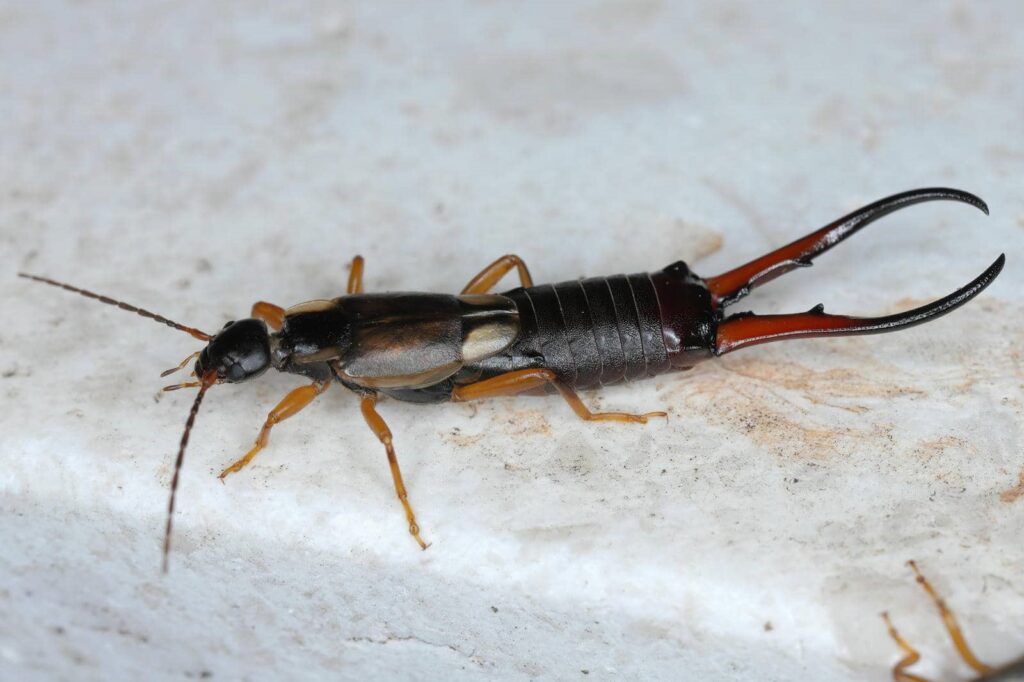
Although earwigs are often misunderstood, understanding their behavior and habitat can help you manage their presence in your home and garden. These insects thrive in damp, dark environments, often hiding under mulch, rocks, or debris.
They’re nocturnal, which means you’ll likely spot them at night when they’re most active. Recognizing earwig behavior is essential; they’re generally harmless, feeding on decaying organic matter and occasionally plants.
To minimize their population, consider modifying their earwig habitat. Reduce moisture levels by improving drainage and removing any debris where it can hide.
Additionally, keeping your garden tidy by regularly clearing away organic waste will deter them. By learning about earwigs, you can create an environment that discourages their presence while still supporting your garden’s ecosystem.
Embracing this knowledge fosters a sense of community among those who share similar concerns about these misunderstood creatures.
Identifying Signs of Earwig Infestation
When you notice unusual damage to your plants or find small, dark insects hiding in your garden, it could be a sign of an earwig infestation.
To help you identify this problem, look for these key indicators:
Visible Damage: Check for gnawed leaves and flowers; earwigs are notorious for eating soft plant tissue.
Identifying Droppings: Look for small, dark droppings that resemble tiny pellets, often found near affected plants.
Nocturnal Behavior: Since earwigs are primarily active at night, you might spot them scuttling under pots or mulch during late hours.
Understanding these signs can foster a sense of community among gardeners.
By being vigilant and recognizing these indicators, you can protect your garden and contribute to a thriving outdoor space.
Don’t let earwigs take over—be proactive and stay informed.
Preventative Measures to Keep Earwigs at Bay
To effectively keep earwigs at bay, it’s essential to implement a combination of preventative measures that create an inhospitable environment for these pests.
Start by establishing natural barriers around your home. Use gravel or mulch to separate garden areas from your foundation, as this can deter earwig movement.
Next, focus on moisture control. Earwigs thrive in damp conditions, so ensure your home has proper drainage and repair any leaks promptly.
Regularly check for standing water and eliminate it to further reduce moisture levels.
Additionally, keep your yard tidy by removing debris, such as leaves and wood piles, which can serve as hiding spots.
Finally, store firewood away from your home and elevate it off the ground.
Natural Remedies for Earwig Control
Wondering how to tackle an earwig problem without harsh chemicals? You’re not alone! Many people prefer natural remedies that are both effective and safe for the environment.
Here are three herbal solutions you can try:
Diatomaceous Earth: Sprinkle this powder around entry points. It dehydrates and kills earwigs upon contact.
Essential Oils: Mix a few drops of peppermint or tea tree oil with water in a spray bottle. Spray areas where you see earwigs; their strong scent acts as a repellent.
Homemade Traps: Fill a shallow dish with soapy water and place it near infested areas. Earwigs will be attracted to the moisture but won’t escape.
Chemical Treatments: Pros and Cons
When considering chemical treatments for earwig control, you’ll find they can be highly effective in quickly reducing populations.
However, it’s essential to weigh the effectiveness against safety considerations, particularly for pets and children in your home.
Understanding both the benefits and potential risks will help you make an informed decision.
Effectiveness of Chemicals
While chemical treatments can effectively eliminate earwigs, their use requires careful evaluation of both benefits and drawbacks.
You’ll want to weigh the chemical efficacy against potential consequences. Here are three key points to reflect on:
Quick Results: Chemical treatments often provide fast relief from earwig infestations, making your home feel comfortable again.
Environmental Impact: Many chemicals can harm beneficial insects and disrupt local ecosystems, which can affect your garden and surrounding wildlife.
Health Concerns: Residual chemicals may linger, posing risks to pets and family members, creating an unsettling living environment.
Safety Considerations for Use
Before deciding on chemical treatments for earwig removal, it’s important to contemplate the safety implications of their use.
You’ll want to make certain you’re equipped with protective gear, such as gloves and masks, to shield yourself from potential harmful exposure.
Additionally, consider the ventilation requirements outlined on the product label; proper airflow can greatly reduce the risk of inhaling toxic fumes.
Be mindful of pets and children, as chemicals can pose serious health risks.
Weighing the pros and cons of these treatments is essential to making a responsible choice.
Ultimately, your safety and that of your loved ones should be the top priority as you explore effective earwig removal techniques at home.
Traps and Baits: Effective Methods for Removal
When it comes to earwig removal, traps and baits can be highly effective.
You can choose from homemade trap solutions or commercial bait options, depending on your preference.
Proper placement of these traps is essential for maximizing their effectiveness in keeping your space earwig-free.
Homemade Traps Solutions
If you’re looking to tackle an earwig problem effectively, homemade traps can be a practical solution. These traps use simple bait solutions to lure earwigs and keep them under control.
Here are three effective homemade trap ideas you can try:
Jar Trap: Fill a jar with a mixture of beer and sugar. Place it in your garden; the earwigs will be attracted and drown.
Soapy Water Trap: Mix water with a few drops of dish soap in a shallow dish. Earwigs will get trapped when they attempt to drink.
Citrus Peel Trap: Place citrus peels in your garden at night. Earwigs are drawn to the scent and will gather under the peels.
Using these homemade traps can foster a sense of accomplishment and community as you reclaim your space from unwanted pests.
Commercial Bait Options
While homemade traps can be effective, commercial bait options often provide a more reliable solution for tackling earwig infestations.
These products are specifically designed to attract and eliminate earwigs efficiently. When considering bait effectiveness, look for formulations that include attractants appealing to earwigs, ensuring they draw the pests in.
Many commercial baits contain insecticides that target earwigs directly, resulting in faster results compared to DIY methods. Additionally, they’re easy to use, making them a popular choice for homeowners seeking a hassle-free approach.
Placement Strategies for Effectiveness
To maximize the effectiveness of traps and baits for earwig removal, strategic placement is essential.
You’ll want to implement specific placement techniques to ensure maximum impact.
Consider these strategic locations:
Near Moist Areas: Earwigs thrive in damp environments, so placing traps near sinks, bathrooms, or outside gardens can draw them in.
Along Entry Points: Position traps by doors, windows, and cracks where earwigs might enter your home, effectively intercepting them before they invade.
Underneath Mulch or Debris: Set baits under mulch piles, wood stacks, or garden debris where earwigs commonly hide during the day.
Maintaining a Clean Environment to Deter Earwigs
Maintaining a clean environment is essential for deterring earwigs from invading your home. To achieve this, establish regular cleaning routines that target common breeding grounds.
Focus on areas like basements, bathrooms, and kitchens where moisture tends to accumulate. By implementing effective moisture control, you can minimize conditions that attract these pests.
Make it a habit to promptly fix any leaks or spills, and use dehumidifiers in damp areas. Additionally, keep clutter to a minimum—earwigs love hiding in dark, messy spaces.
Regularly vacuum and sweep floors, ensuring you remove any potential food sources like crumbs and organic matter.
Finally, inspect your home’s exterior for gaps or cracks, sealing them to prevent entry. By committing to these practices, you’ll create a more pleasant living space and greatly reduce the risk of an earwig infestation.
Professional Extermination Services: When to Call
When should you contemplate calling in professional extermination services for earwigs? If you’re facing persistent issues despite your best efforts, it might be time to seek help.
Here are three key reasons to ponder:
Infestation Size: If you’re seeing a large number of earwigs, it’s likely beyond a DIY solution.
Health Concerns: Earwigs can carry allergens that might affect your family’s well-being, making professional intervention essential.
Extermination Costs: While choosing professionals may seem like a significant expense, their expertise often saves you money in the long run by effectively tackling the problem.
Trusting experts can provide peace of mind and ensure your home remains an inviting sanctuary.
When you feel overwhelmed, don’t hesitate to reach out; it’s a smart choice to protect your home and loved ones.
Long-Term Strategies for Earwig Prevention
After addressing an earwig infestation, it’s crucial to implement long-term strategies for prevention. Start by sealing cracks and gaps around your home’s foundation, windows, and doors. This simple prevention technique keeps these pesky pests from entering.
Next, focus on moisture control; earwigs thrive in damp environments, so fix leaks and ensure proper drainage.
You should also maintain your garden. Trim back overgrown plants and remove debris where earwigs like to hide. Consider using organic mulch rather than traditional mulch, as it’s less inviting to them.
Lastly, regularly check indoor plants and stored items for signs of earwigs. Establishing these long-term solutions protects your home and fosters a sense of community by sharing tips with neighbors.
Summary
Using effective earwig removal techniques is essential for maintaining a healthy home and garden. By understanding their behavior and implementing preventative measures, you can greatly reduce their presence. Remember, while natural remedies are often effective, sometimes a combination of methods—including traps and, if necessary, chemical treatments—will yield the best results. Don’t overlook the importance of a clean environment, and consider professional help if infestations persist. Keeping your space earwig-free is possible with diligence and the right strategies.
Recent Posts
Why Treat Indian Meal Moths in Your Home?
If you’ve noticed tiny moths fluttering around your kitchen or found webbing in your food,
Top Spider Control Techniques for Your Home
When it comes to keeping spiders out of your home, understanding their behavior is vital.
3 Best Spider Control Methods for Homes
You might not realize that some common household items can effectively repel spiders. By utilizing