
Contents
When you’re faced with a termite infestation, understanding treatment costs is vital for effective management. You’ll need to evaluate various options, from chemical treatments to bait systems. Appraising the extent of the problem and comparing quotes from professionals is essential. Don’t overlook hidden expenses that could impact your budget. As you explore these factors, you’ll find that making an informed decision requires more than just a simple price comparison.
Key Takeaways
- Understand the extent of infestation to accurately estimate treatment costs and required intensity.
- Compare the costs of chemical treatments ($3-$16 per linear foot) versus bait systems ($1,200-$2,500).
- Factor in ongoing monitoring fees, which average around $300 annually for bait systems.
- Consider the potential hidden costs, including inspection fees and necessary structural repairs.
- Consult a pest control professional to determine the most effective treatment strategy for your home.
Understanding Termite Treatment Options
When it comes to protecting your home from termites, understanding the various treatment options available is crucial. Familiarizing yourself with termite biology helps you appreciate the importance of effective treatments.
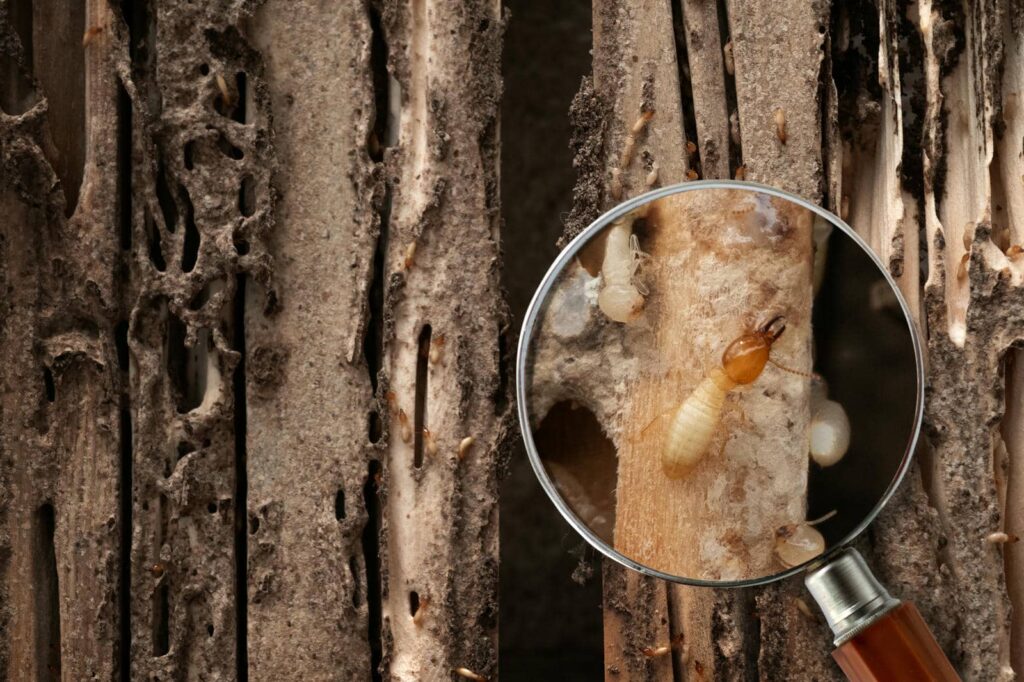
Termites are social insects that can cause significant structural damage, so you need to act promptly. Chemical treatments, such as liquid termiticides, create a barrier around your home, while bait systems target the colony directly, ensuring treatment effectiveness.
Additionally, non-chemical options like heat treatment or borate applications can be effective, especially in specific circumstances. Assess each option’s pros and cons, and consult a pest control professional to determine the best strategy for your situation.
Taking informed steps now ensures the safety and longevity of your home in the long run.
Factors Affecting Termite Treatment Costs
Several factors influence the costs of termite treatment, impacting your overall investment in pest control. One major factor is the extent of the infestation, as larger infestations typically require more intensive treatments.
Additionally, the type of treatment you choose—whether chemical, baiting, or heat treatment—affects pricing and treatment effectiveness. A thorough pest inspection is essential to determine the severity of the issue, and costs may vary based on the inspector’s experience and the technology used.
Geographic location also plays a role; some regions face higher labor or material costs. Finally, ongoing maintenance and follow-up treatments can add to your overall expenses, making it vital to reflect on the long-term implications of your initial investment.
Average Costs of Different Treatment Methods
Understanding the average costs of different termite treatment methods is essential for homeowners facing an infestation.
Here’s a breakdown of common treatment options:
Chemical Treatments: Typically range from $3 to $16 per linear foot, depending on the type of chemicals used and the severity of the infestation.
Bait Systems: Cost between $1,200 and $2,500 for installation, with ongoing monitoring fees of about $300 annually.
Fumigation: Can run from $1,500 to $4,000, depending on the size of your home and the extent of the infestation.
Localized Treatments: Usually cost between $200 and $500, offering a targeted approach for smaller infestations.
Comparing DIY vs. Professional Treatments
Homeowners often find themselves weighing the options between DIY termite treatments and hiring professional pest control services. DIY effectiveness can be appealing due to lower initial costs, but consider the equipment investment and skill requirements needed for successful treatment.
While DIY methods may save money, they often lack the treatment longevity and thoroughness that professionals provide.
On the other hand, professional advantages include access to advanced techniques and safety considerations, ensuring a detailed approach to termite eradication. Additionally, professionals can complete the job more efficiently, reducing your time commitment.
When making cost comparisons, evaluate the immediate expenses and potential long-term savings from effective treatments.
Ultimately, choosing the right method depends on your specific situation and comfort level.
Regional Variations in Termite Treatment Pricing
How do regional differences impact termite treatment pricing? Understanding these variations is vital for making informed decisions.
Factors influencing regional pricing include:
Local Pest Populations: Areas with higher termite incidences often see increased treatment costs.
Labor Costs: Urban regions typically have higher labor rates, affecting overall pricing.
Regulatory Environment: Some states enforce stricter regulations, which can lead to higher compliance costs for treatment.
Availability of Products: Regions with limited access to effective treatment options may face inflated prices due to scarcity.
Long-term vs. Short-term Treatment Costs
Regional differences in termite treatment pricing can guide your decision-making when considering long-term versus short-term treatment costs.
Short-term treatments may offer quick relief and immediate results, but they often lack the durability needed to prevent future infestations. On the other hand, investing in long-term solutions might seem pricier upfront, but they provide enduring protection and ultimately save you money over time.
You’ll enjoy peace of mind knowing your investment safeguards your property against recurring termite issues. Weighing these factors is essential; while short-term benefits can be tempting, viewing termite treatment as a long-term investment is often the smarter choice.
Your home deserves the best protection, and making the right decision now can pay off considerably in the future.
Hidden Costs to Consider
While you may focus on the upfront costs of termite treatments, it’s vital to reflect on the hidden expenses that can arise during and after the process. Ignoring these can lead to unexpected expenses down the line.
Here are some hidden fees to take into account:
Inspection Costs: Initial assessments often come with a fee, which mightn’t be included in the treatment quote.
Retreatment Fees: Some treatments require follow-up applications, adding to your total expenses.
Damage Repair: If termites have caused structural damage, repair costs can escalate quickly.
Post-Treatment Monitoring: Ongoing inspections or treatments may be necessary to ensure effectiveness, contributing to long-term costs.
Being aware of these hidden costs will help you budget effectively and avoid surprises.
How to Get Accurate Quotes From Exterminators
Obtaining accurate quotes from exterminators is key to managing your termite treatment budget effectively.
To ensure quote accuracy, start by scheduling on-site evaluations. This allows exterminators to assess the infestation level and recommend appropriate treatments.
Prepare a list of exterminator questions, such as their experience, treatment methods, and warranties. This clarifies their approach and helps you gauge their expertise.
Don’t hesitate to ask about potential additional costs, as transparency is essential for accurate pricing.
Compare at least three quotes to understand the market rate better.
Evaluating the Value of Warranty and Follow-up Services
How can you ensure that your termite treatment addresses the current infestation and protects your property in the long run? Evaluating warranty coverage and follow-up services is essential. Here’s what to take into account:
Duration of Warranty: Check how long the coverage lasts; longer warranties often indicate greater confidence in the treatment.
Scope of Coverage: Understand what the warranty includes—does it cover re-treatment and damage repair?
Follow-Up Schedule: Determine how frequently the company conducts inspections post-treatment to ensure ongoing protection.
Transferability: If you sell your home, can the warranty be transferred to the new owner?
Investing in robust warranty coverage and proactive follow-up services can greatly enhance your peace of mind and property protection.
Frequently Asked Questions
How Can I Identify a Termite Infestation Early?
You can identify a termite infestation early by looking for signs like mud tubes, hollow-sounding wood, and discarded wings. Regular inspections and monitoring these infestation signs help prevent extensive damage to your property.
What Are the Signs of Termite Damage in My Home?
You’ll notice signs of termite damage through hollow-sounding wood, mud tubes along walls or foundations, and visible wood damage like blistering or peeling paint. Early identification helps you take timely action to protect your home.
Are There Natural Remedies for Termite Control?
Yes, there are natural solutions for termite control. Effective strategies include using nematodes, orange oil, or diatomaceous earth. Implementing these methods can help you manage infestations without harsh chemicals, fostering a safer environment for your home.
How Long Does Termite Treatment Usually Take?
Termite treatment usually takes a few hours to several days. Factors affecting treatment duration include infestation severity, chosen method, and property size. Understanding these elements helps you navigate this necessary journey towards a pest-free home.
Can I Prevent Termites Without Chemical Treatments?
Yes, you can prevent termites without chemical treatments by installing physical barriers and maintaining moisture control. Regularly inspect your home for vulnerabilities, fix leaks, and ensure proper drainage to create an inhospitable environment for termites.
Conclusion
In steering through termite treatment options, you’ve equipped yourself with the knowledge to make informed decisions. Just as a sturdy fortress requires vigilant upkeep, so too does your home demand attention against these relentless pests. By understanding costs, comparing methods, and considering hidden expenses, you can effectively weigh immediate investments against long-term protection. Remember, obtaining multiple quotes is key to ensuring you’re treating the symptoms, and fortifying your home against future infestations.
Recent Posts
Bee and Box Elder Bug Removal
If you’re dealing with bees or box elder bugs, you need to identify the pest
Why Bee Removal Helps With Boxelder Bugs
When you remove a paper wasp nest from an eave in late summer, you often
Red Flour Beetle Removal Guide
If you’ve found small reddish-brown beetles in your pantry, you need to act fast. You