
Contents
If you’re dealing with bees or box elder bugs, you need to identify the pest first because the removal method changes fast. You can handle some infestations with careful, low-risk steps, but the wrong approach can spread the problem or trigger stings. A few clues will tell you what’s safe to do yourself and when you should stop and call a pro.
Key Takeaways
- Identify bees by fuzzy bodies and box elder bugs by flat black bodies with red-orange markings.
- Move bees carefully using protective clothing, and contact a beekeeper if a nest is inside a structure.
- Vacuum box elder bugs from surfaces, then empty the vacuum outdoors.
- Seal cracks, repair screens, and reduce nearby host trees to prevent box elder bugs from returning.
- Call a licensed pest professional for hidden nests, recurring infestations, or any unsafe removal situation.
How to Tell Bees From Box Elder Bugs
At first glance, bees and box elder bugs can look similar because both are small, dark, and may gather in groups, but you can tell them apart by body shape, color pattern, and behavior.
You’ll notice bees have fuzzy, oval bodies with defined waistlines and translucent wings, while box elder bugs are flatter, with red-orange markings along black backs.
Watch bee behavior: bees move with purpose, visit flowers, and may hover before landing.
Box elder bugs cluster on sunny walls, trees, and siding, especially near bug habitats like box elder or maple trees.
If you stay calm and observe these details, you can identify them quickly and feel more confident sharing your space with the right insect.
How to Remove Bees Safely
If you need to remove bees, move slowly and keep your distance so you don’t trigger defensive behavior.
You should watch bee behavior first: if they’re clustering around an entrance, you may have a nest nearby. Keep children and pets away, and don’t block the flight path.
For small groups on a surface, use safe techniques such as gently coaxing them into a container with a piece of cardboard, then release them outdoors away from your home.
Wear long sleeves, gloves, and closed shoes.
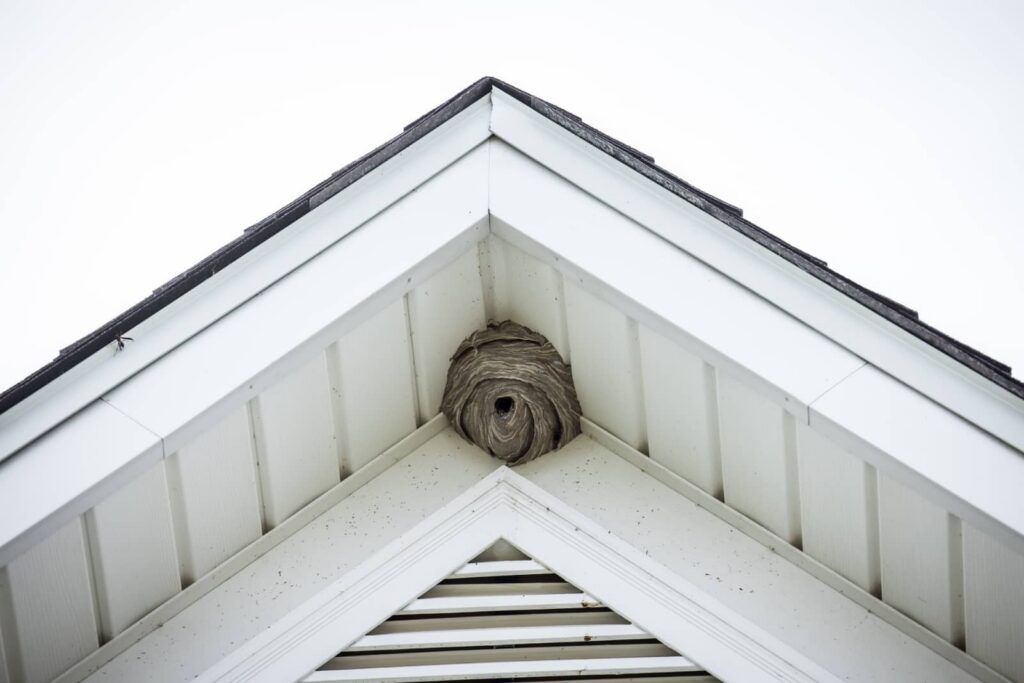
If bees are inside a wall, soffit, or another void, avoid spraying or sealing the opening yourself. Contact a local beekeeper or licensed pest professional who can remove the colony with less risk to you and your neighbors.
How to Remove Box Elder Bugs
You can identify box elder bugs by their black bodies, red markings, and tendency to cluster on warm exterior walls and sunny windows.
Remove them with a vacuum or mild soap-and-water spray, then seal gaps, repair screens, and reduce nearby box elder seed sources to stop reinfestation.
Identify Box Elder Bugs
Box Elder bugs are easy to spot once you know the signs: adults are flat, black insects with red or orange markings along the thorax and wings, while nymphs are smaller, bright red, and lack fully developed wings.
You’ll usually find them near box elder, maple, and ash trees, where their habitat preferences center on sunny bark and sheltered cracks.
Their seasonal behavior is predictable: you see the highest activity in warm months, then more clustering as temperatures drop.
Check for groups on trunks, siding, and window frames, especially in late summer and fall.
If you can match these features, you’ll identify them fast and feel confident you’re dealing with the right pest, not a bee.
Remove And Prevent Infestations
Start by vacuuming box elder bugs from siding, window frames, and indoor surfaces. Then empty the vacuum bag or canister outdoors so they can’t crawl back out.
Seal cracks with caulk, repair screens, and add door sweeps to block entry points. Remove nearby box elder, ash, and maple debris, since these bug habitats support overwintering clusters.
Reduce exterior lighting at night; bugs gather near bright lights and follow warm walls. When you treat foundations or soffits, use a labeled residual insecticide only where allowed, and reapply per directions.
Monitor for new activity after warm spells. Keep landscaping trimmed and gutters clear so moisture doesn’t build shelter zones.
Like bee behavior, seasonal movement changes with temperature, so stay alert together and act early.
Why DIY Removal Can Fail
DIY removal can fail when you miss hidden nest locations behind walls, under siding, or in attic voids.
You can also misidentify bees and box elder bugs, which leads you to use the wrong method and miss the source.
Without full source control, infestations often return because surviving insects keep re-entering the structure.
Hidden Nest Locations
Because bee and box elder bug nests often hide in wall voids, soffits, attic insulation, mulch beds, and other protected cavities, you can miss the main colony even after treating the visible insects.
You need to trace their nesting habits and seasonal behavior to find where activity concentrates. In warm months, bees may expand into hidden structural gaps, while box elder bugs cluster near sunny exterior voids and sheltered siding seams.
If you only spray the surface, you leave the source intact and the problem returns. Inspect around vents, trim, rooflines, foundation cracks, and landscape edges.
Use a flashlight, listen for movement, and watch flight paths at dawn or dusk. When you target the true harborages, you protect your space and avoid repeated treatments.
Misidentification Risks
How often do bee and box elder bug control efforts fail? More often than you’d expect when you rely on surface cues.
You may see visual similarities between bees, wasps, and box elder bugs, but each needs a different response. If you misread the insect, you can choose the wrong tool, miss the actual entry point, or trigger defensive behavior. Those misidentification consequences include stings, spread-out insects, and wasted time.
You should inspect body shape, flight pattern, and nesting site before you act. Box elder bugs cluster on warm walls and window frames; bees track to cavities and floral activity.
When you match the insect to the sign, you protect your space and stay aligned with your neighbors in safe, informed removal.
Recurring Infestations
Even after you clear visible insects, recurring infestations can return if you don’t address the source. You may spray, vacuum, or seal one entry point, but nearby gaps, nesting sites, and attractants can keep feeding infestation cycles.
Seasonal patterns matter: box elder bugs often rebound when temperatures shift, while bees may reappear when colonies split or scout new cavities. To break the loop, inspect foundations, vents, soffits, and window frames, then remove food, moisture, and shelter.
- Track where insects reenter and when activity spikes.
- Seal cracks with durable caulk and repair screens.
- Schedule follow-up checks during peak seasonal patterns.
When to Call a Pest Control Pro
If you’re seeing repeated bee activity near walls, eaves, or sheds, or box elder bugs keep clustering indoors despite sealing gaps and vacuuming, it’s time to call a pest control pro.
You’re likely dealing with protected nesting sites or persistent entry points that need expert inspection. A trained technician can identify pest behavior, trace seasonal patterns, and determine whether bees are nesting, swarming, or simply foraging.
They’ll also confirm whether box elder bugs are sheltered in wall voids or nearby host trees. You don’t need to guess alone; pros use targeted treatments that reduce risk and limit unnecessary disturbance.
If anyone in your home has allergies, if activity is growing fast, or if you can’t safely reach the source, bring in help. You’ll get clear guidance, faster resolution, and peace of mind.
How to Prevent Future Infestations
Once you’ve removed the current bee or box elder bug problem, focus on blocking the conditions that invite them back. Use exclusion techniques to seal gaps, screen vents, and repair trim.
Pair habitat modification with smart landscaping choices: prune host trees, reduce mulch against foundations, and remove standing debris that shelters pests. Time maintenance around seasonal timing, before adults cluster in spring and fall.
Use natural repellents sparingly on entry points, not as a standalone fix. Keep pest monitoring routine by checking sunny walls, attic edges, and nearby shrubs.
Reduce food sources by cleaning fallen seeds, sap drip, and overflow from bird feeders. Build community awareness with neighbors so everyone manages shared trees and exterior lighting.
When your block works together, infestations drop, and your home stays more protected.
Signs You Need Professional Help
You need professional help when bees are nesting inside wall voids, rooflines, or other hard-to-reach areas, or when box elder bugs keep returning despite sealing and cleanup.
If you notice heavy traffic at one entry point, audible buzzing in walls, wax or comb buildup, stings, or aggressive bee behavior, stop DIY work. A pro can identify the colony, locate the nest, and remove it without driving insects deeper into the structure.
For box elder bugs, repeated clustering on sunny walls, gaps around windows, and seasonal surges that match box elder habits signal a larger exterior source.
If you’re managing allergies, working near ladders, or seeing damage, call a licensed specialist. You’ll stay safer and keep your home protected.
Frequently Asked Questions
What Time of Year Are Bee and Box Elder Bug Infestations Most Common?
You’ll usually see infestations in late spring through fall; bees peak during warm flowering periods, and box elder bugs surge in autumn as their lifecycle drives adults indoors seeking shelter and warmth.
Can Bees and Box Elder Bugs Damage My Home’s Exterior?
Yes—bees and box elder bugs can blemish your exterior like tiny vandals. You’ll usually see damage from Bee behavior, such as nesting in gaps, and from box elder bug staining; Bug prevention helps protect siding, trim, and eaves.
Are Bee and Box Elder Bug Infestations Covered by Homeowners Insurance?
Usually, you’re not covered; most insurance policies exclude pest coverage for bee and box elder bug infestations. You should review your policy, document damage, and contact your insurer to confirm exceptions or endorsements.
How Long Does Professional Removal Usually Take?
Usually, you’ll see removal take one to four hours, depending on removal duration and service factors like infestation size, access, and treatment method. You can expect technicians to work efficiently while keeping your home protected.
What Should I Do With Pets During Removal?
You should keep pets indoors or offsite during removal. Prioritize pet safety with removal precautions: close doors, secure bowls, and crate animals if needed. You’ll protect them and help technicians work safely.
Review
You’ve learned how to tell bees from box elder bugs, remove each one safely, and block future entry points. Still, DIY fixes can miss hidden nests or swarm sources, and that’s where trouble starts. Don’t treat pest control like a rotary phone in a smartphone world—some jobs need modern tools and expertise. If you spot recurring activity, concealed hives, or heavy infestations, call a pest control pro to protect your home and cut off recurrence.
Recent Posts
Why Bee Removal Helps With Boxelder Bugs
When you remove a paper wasp nest from an eave in late summer, you often
Red Flour Beetle Removal Guide
If you’ve found small reddish-brown beetles in your pantry, you need to act fast. You
7 Best Elder Bug Control Tips
If you’re dealing with box elder bugs, you need a control plan that starts with