
Contents
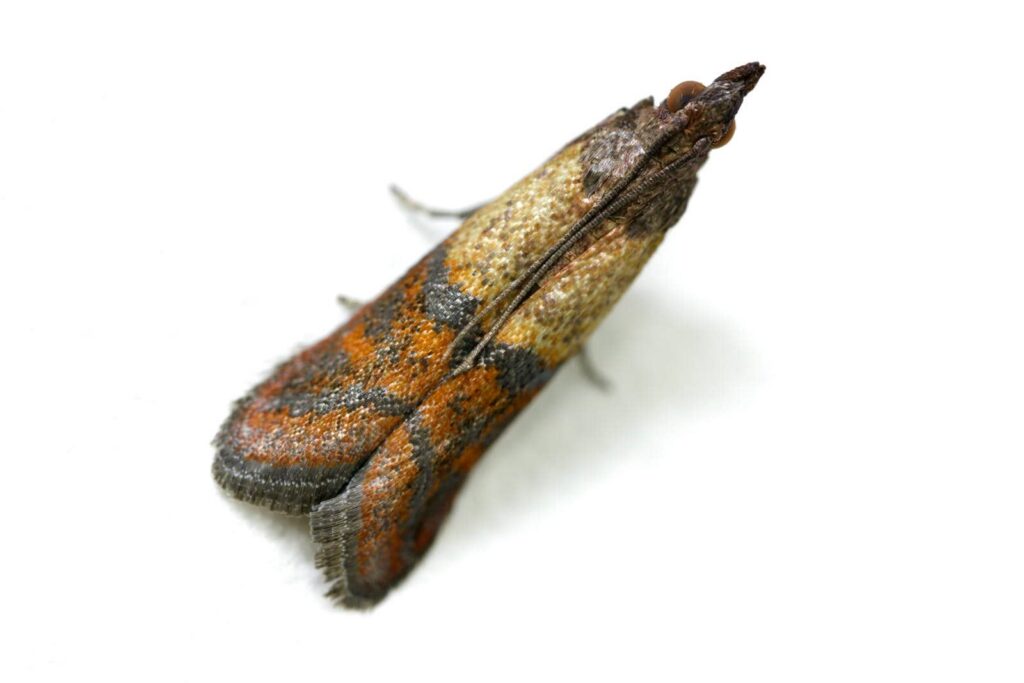
If you’re dealing with an infestation of Indian meal moths, it’s vital to act quickly and strategically. Start by identifying and inspecting affected areas, as this is the first step in controlling the problem. Once you’ve pinpointed the infested spots, removing and disposing of contaminated food is important. But it doesn’t stop there; maintaining a clean environment and using proper storage solutions can make a significant difference. Let’s explore further methods to ensure your pantry stays pest-free.
Key Takeaways
- Regularly inspect pantry items for signs of infestation, such as webbing, larvae, or small brown moths.
- Store dry goods in airtight containers to prevent access by Indian meal moths.
- Remove and dispose of contaminated food, sealing infested items in plastic bags before disposal.
- Use natural repellents like peppermint or lavender oils around storage areas to deter moths.
- Consider hiring professional pest control for tailored solutions and thorough inspections if infestations persist.
Identify and Inspect Infested Areas
To effectively combat an infestation of Indian meal moths, you need to start by identifying and inspecting the areas most likely to be affected.
Focus on your pantry, cabinets, and any storage spaces for dry goods. Look for infestation signs such as webbing, larvae, and small brown moths fluttering around.
Use targeted inspection techniques: check grain products, snack foods, and pet food, as these are common hosts for the pests.
Carefully examine the packaging for any holes or damage. If you notice any eggs or larvae, it’s vital to take immediate action.
Utilize a flashlight to inspect dark corners or crevices where moths might hide.
Remove and Dispose of Contaminated Food
Once you’ve identified the areas affected by Indian meal moths, the next step is to remove and dispose of any contaminated food.
Check all grains, cereals, nuts, and dried fruits, as these are prime targets. Seal any infested items in a plastic bag to prevent further contamination. It’s crucial to dispose of these bags in an outdoor trash bin, away from your home, to minimize the risk of re-infestation.
After disposal, take time to inspect your pantry and surrounding areas for signs of eggs or larvae. By practicing effective food disposal, you actively contribute to contamination prevention and protect the rest of your food supply.
Consider using airtight containers for food storage, as this can deter moths from returning. Remember, a proactive approach ensures a healthier kitchen environment, fostering a sense of safety and belonging for you and your family.
Clean and Vacuum Regularly
To effectively control Indian meal moths, you need to conduct weekly pantry inspections to catch any signs of infestations early.
Make sure to vacuum all cracks and crevices thoroughly, as eggs and larvae often hide in these hard-to-reach areas.
Regular cleaning helps eliminate potential breeding grounds, ensuring your pantry stays moth-free.
Weekly Pantry Inspections
While you mightn’t think about it often, regular inspections of your pantry are essential in preventing Indian meal moth infestations.
Start by organizing your pantry to easily identify any signs of trouble, such as webbing or larvae. During your weekly inspections, check all food items, especially grains and dried fruits, for any signs of pests.
Meal planning helps you keep your pantry stocked with fresh ingredients, reducing the chances of old, vulnerable items attracting moths. If you spot any infested products, dispose of them immediately.
Additionally, wipe down shelves and containers to eliminate any eggs or larvae. By staying vigilant and proactive with your pantry organization, you’ll create a pest-free environment that fosters a sense of community and belonging.
Vacuum Cracks Thoroughly
Vacuuming cracks and crevices in your pantry is an essential step in maintaining a pest-free environment.
Effective crack maintenance involves using a vacuum with a narrow nozzle attachment to reach those hidden spots where Indian meal moths might hide. These pests often lay eggs in small spaces, so your vacuum techniques should focus on corners, under shelves, and behind appliances.
Regularly vacuuming your pantry removes any larvae and eggs and eliminates food particles that attract them.
After vacuuming, seal any visible cracks with caulk to prevent re-entry.
Use Airtight Containers for Food Storage
Airtight containers are your first line of defense against Indian meal moth infestations. By using containers with airtight seals, you effectively block these pests from accessing your food storage.
Choose high-quality plastic or glass containers that can be tightly sealed, ensuring that even the smallest gaps are eliminated.
Label your containers with the contents and date of storage, so you can easily track freshness and rotation. When transferring food, inspect it carefully for any signs of infestation before sealing it away.
Store dry goods like grains, flour, and snacks in these airtight containers to prevent moths from laying eggs and infesting your pantry. This practice protects your food, and it fosters a sense of community responsibility in maintaining a pest-free environment.
Implement Natural Repellents
After securing your food in airtight containers, you can enhance your defenses against Indian meal moths by implementing natural repellents.
Start by using herbal oils like peppermint, eucalyptus, or lavender. These oils deter moths and leave a pleasant aroma in your pantry. Mix a few drops of your chosen oil with water in a spray bottle and apply it around your storage areas.
Additionally, consider essential sprays containing clove oil or rosemary. These options are effective and safe to use in food storage spaces. Spray them around shelves, corners, and entry points to create a barrier against moths.
Reapply these natural repellents every few weeks to maintain their effectiveness.
Set Up Pheromone Traps
To effectively combat Indian meal moths, setting up pheromone traps can be a game-changer in your pest control arsenal.
These traps utilize pheromone effectiveness to lure adult moths, greatly reducing their population. When choosing your traps, opt for those specifically designed for Indian meal moths, as they’re formulated to attract these pests most effectively.
For ideal trap placement, position them in areas where you’ve noticed moth activity, such as near food storage spaces or pantry entrances.
Make sure to place traps at varying heights to catch both high-flying and low-flying moths. Regularly check and replace the traps as needed, ideally every few weeks, to maintain their effectiveness.
Monitor for Further Infestations
While you’ve taken significant steps to control the Indian meal moth population in your home, it’s crucial to continually monitor for further infestations.
Understanding infestation patterns can help you identify potential problems before they escalate. Here are effective monitoring techniques you can implement:
Regular Inspections: Check pantry items, especially grains and dried foods, weekly for signs of moths or larvae.
Pheromone Trap Placement: Maintain your pheromone traps and replace them according to the manufacturer’s guidelines to capture adult moths.
Visual Clues: Look for webbing, cocoons, or small holes in packaging, indicating a possible moth presence.
Temperature and Humidity Control: Adjust your kitchen environment, as moths thrive in warm, humid conditions.
Seal Entry Points and Cracks
How can you effectively prevent Indian meal moths from entering your home? Start by sealing all entry points and cracks.
These pests can squeeze through even the tiniest openings, so it’s essential to identify where they might be entering. Check windows, doors, and vents for gaps, and use appropriate seal types like caulk or weather stripping to close these vulnerabilities.
Pay special attention to areas where pipes and wires enter your home, as these are common entry points. For crack prevention, inspect your foundation and walls for hairline fractures. Filling these with concrete or sealant can greatly reduce the risk of infestation.
Don’t overlook your attic and basement; both can serve as entryways for these pests. By proactively sealing potential access points and addressing cracks, you create a barrier that makes your home less inviting to Indian meal moths, fostering a more secure living environment.
Utilize Professional Pest Control Services
If you find that your DIY efforts to combat Indian meal moths aren’t yielding results, enlisting professional pest control services can be a game changer.
These experts excel in pest management and offer tailored solutions for your specific infestation. Here are four reasons to contemplate professional extermination:
Thorough Inspection: Professionals identify hidden nests and breeding sites that you might miss.
Targeted Treatments: They employ advanced techniques and products that are safe yet effective.
Preventive Measures: Experts provide advice and action plans to prevent future infestations.
Time-Saving: Letting professionals handle the situation frees you up to focus on what matters most.
Investing in professional pest control resolves your moth issue and fosters a sense of belonging within your home, ensuring your space remains comfortable and pest-free.
Don’t hesitate to reach out for help—your peace of mind is worth it!
Educate Yourself on Life Cycle and Behavior
Understanding the life cycle and behavior of Indian meal moths is essential in effectively managing and preventing infestations. These pests undergo a complete metamorphosis, beginning as eggs that hatch into larvae.
During this larval stage, they thrive in stored grains, cereals, and dried foods, often causing significant damage. Knowing that larvae can spin silk webs and create cocoons helps you identify infestations early.
Moth behavior is equally important; they’re most active at night and are attracted to light. This knowledge can guide your monitoring efforts, such as using pheromone traps to catch adult moths.
You’ll want to inspect your pantry regularly for signs of infestations, like webbing or frass.
Review
By following these effective tips for Indian meal moth control, you can greatly reduce the risk of infestation in your pantry. This makes early detection and proactive measures vital. Regular inspections, thorough cleaning, and proper food storage are essential to safeguard your pantry. If problems persist, don’t hesitate to consult professionals who can provide specialized solutions tailored to your situation.
Recent Posts
Mouse Droppings vs Rat Droppings: Identify Your Intruder
You may not know that droppings can tell you more than just whether rodents are
What Attracts Mice to a Clean House? 7 Surprising Culprits
Some homes report some mouse activity each year, and even a spotless house can still
How Do Exterminators Get Rid of Mice? A Look Inside the Process
When you call an exterminator for mice, the process starts with a careful inspection to